Following my month of characters, I thought I might give
some context to the lists and discuss what makes a good character and how so
many writers and designers end up screwing up potentially iconic characters.
First,
let's start with heroes. There are two
basic types of heroes in video gaming that are very common. The first are heroes who we find admirable,
personable, or otherwise likable. They
are our avatars, but they are not us.
They have their own character, their own arcs, and their own
agenda. What makes a good hero? Well, for starters, they need
vulnerability. The story may suggest
that the hero can never die, however a hero is only compelling if the illusion
of failure is hinted at through fallacies and weaknesses that the hero
possesses. For example, a personable
hero having specific emotional triggers, phobias, or personality flaws is very
humanizing, as we can often recognize those within ourselves. These are sometimes the hardest to pull off
in video game characters convincingly, because while a tragic past is rather
easy to concoct, it can be difficult to make a hero vulnerable and weak, but
still admirable and strong.
 |
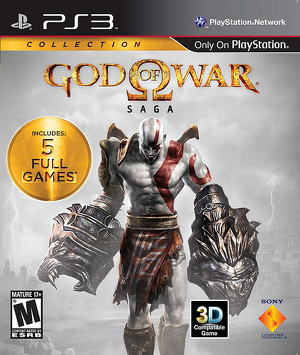
| Kratos is just not a well designed character from a story standpoint. He's angry before his tragedy, he's angry after his tragedy and his back story barely ever comes up. As a character, he's just a ball of rage with no reason to be but to kill. |
Kratos from
the God of War series is an excellent example of a hero who fails to be
relatable. While he does have a tragic past,
his personality is all rage, sarcasm, cruelty, and disdain. He never shows signs of human weakness during
battle or even during much of the plot.
And when he does attempt to show some weakness, it feels contrived
because the character has not been built to actually support that
weakness. It is being jammed in where it
is not wanted. On the flipside of that,
we have Ness from the Earthbound/Mother
series. Despite being a largely silent
protagonist, Ness has several humanizing
factors to him through game design. Over
the course of the game, Ness can come down
with a number of status ailments that make it clear that he is, in fact, still
just a kid and not some immortal super being.
Ness can get homesick and need to call
his mother for support. Ness can get the flu or a cold and need medicine. Ness can get
sick from allergic reactions and need homeopathic healing. These small touches show that Ness is in fact a kid and vulnerable to childhood
maladies, both physical and psychological.
It provides a nice perspective, showing that for all the new age hippies
or knife wielding thugs you can take down with your psychic powers, you do
still need a cuddle from your mommy or a teddy bear to start the day. Watching a character act human is so much
more relatable than a tragic back story.
If you are going to give a character a tragic back story, have it
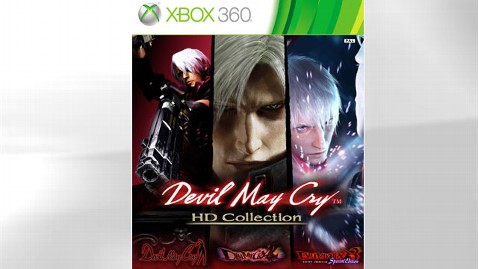
directly relate to their character and their vulnerabilities. Dante, in the original Devil May Cry on the
Playstation 2, lost his mother to demons.
While a great deal of information is not given, it comes out that this
was a momentous event for him that shook him, through the story. He takes a job from a woman named Trish
primarily because of her resemblance to his mother. When she betrays him, it hits the devil
hunter very hard and after she is killed, he sheds tears for her. His past directly relates to his character
development in the game and it shows that he is vulnerable to being deceived
because of his past.
 |
| Despite his cocky attitude, Dante has a tragic backstory that actually affects how he decides to act in the game, causing him to both grow and show signs of vulnerability. This makes him a far more well rounded character than Kratos or your average shooter character. |
The other
type of character is a power fantasy character.
Largely, these characters are avatars for the human players, with little
to no personality of their own, allowing players to feel strong by playing the
role of these characters in the game.
While this can lead to some interesting political, religious, or
philosophical commentary, too often it is used for somewhat...reprehensible dreams. A power fantasy character done wrong is where
the game is built around appealing to the most base instincts of the human
psyche, things like the desire to fornicate, the desire for wealth or power,
the desire to kill in order to feel strong.
Modern warfare shooters appeal to players by allowing them to fit the
stereotypical soldier, a walking death machine who kills without remorse in the
name of the greater good(in the narrative at least) without consequence. God of War, while not strictly a power
fulfillment game as Kratos isn't a blank slate, does allow players to have sex
with random women without consequence, and actually rewards the act. Sexual games in Japan are also catered towards this
style of play, allowing gamers to take on a character they can put themselves
into as they either woo or abuse women for their own enjoyment. These kinds of games do, sadly, fill the power
fantasy requirement of giving characters the ability to make themselves feel
strong, virile, or well off, however the actions that give off these feelings
are, in my opinion, tragically flawed and can at times promote unhealthy views
towards different races, genders, or the world in general.
 |
| Ninja Gaiden 3 is power fantasy done very poorly. It outright forces you to do acts that are horrific, even if they are empowering, without any set of consequences...they even reward you for it. The infamous scene of Ryu killing a begging soldier, being forced to kill a begging soldier, is a sign of how flawed the game approaches making players feel tough. |
So, how do
you pull of power fantasy heroes? Well,
there are a few good ways to do this.
The first is to supplant some of the more base desires and hit the itch
to explore. Power fantasies aren't just
about base instincts, they are about being able to do in a game what you cannot
do in real life. Crafting a world or an
environment that fosters exploration and rewards it, not necessarily with money
or items, but with sights and experiences they cannot see elsewhere really
helps grant players a reward for their effort.
Dark Souls does this quite well.
Though the world may be bleak and lonely, it offers a unique experience
where the very act of exploring allows players to see things they could never
hope to see in the real world, be it giant monsters, or unforgettable sights,
such as crawling through a huge tree to reach an acid lake at the bottom. Another good way to do power fantasy
characters is to make the hero generally a good guy. This allows you to not only enjoy the world
that's been crafted around you, but also it allows some of those baser
instincts to be sated without some of the guilt. Adol Christian, for example, is an explorer
and a swordsman who frequently makes romantic acquaintances with beautiful
women the world over. However, Adol does
not take advantage of their affections as he is a character who acts with
honor. Adol is silent, so the
interactions of those around him give us context to this effect, making the
players accept the lack of ability to take advantage of those around us. Also, Adol is a skilled swordsman and the
combat in the Ys games is fast and enjoyable, allowing players to feel good
about defeating monsters and protecting the innocent, rather than killing other
human beings for some vaguely defined hyper masculine idea of patriotism. Above all else, power fantasy should be about
freedom, though. Freedom to explore,
freedom to challenge conventions, freedom to do as you wish. This may lead some players to running over
hookers in Grand Theft Auto, but a good power fantasy game does show that your
actions have negative consequences, such as increased notoriety score and the
possibility of being arrested or killed, and that while it is possible for you
to hurt others for your own enjoyment...it's not the wisest idea. In this way, they can subtly guide the player
to a more fulfilling experience. Power
fantasy characters use the world and our own human impulses to affect us, often
without our realizing.
+-+10.jpg) |
| While often cited as a highly adult game, Grand Theft Auto actually does do power fantasy very well. You can do horrific acts to people around you, but it comes with consequences, like being arrested or killed. In contrast, if you act like a good citizen, the game actually will award you money for saving people. |
Now, for
villains. Once again, there are two main
types of villains. Tragic villains and
despicable villains. Before we go into
that, however, let me just say that in many games, villains are much easier to
make than heroes. If you do not have a
villain who looms over the party for much of the game, you merely have to
create a character at the end who has ties to the characters or the game world,
has a view that is horrific or unjust, and who has a good reason to fight the
main characters. Final Fantasy Legend is
a good example of this, in my opinion.
There are six main villains. The
four who guard the main worlds, Ashura, and the Creator. The four who guard the main worlds are using
their power to oppress the peoples of their worlds and/or block the way up the
tower, as the higher up characters get, the stronger they become and are
therefore more of a threat to these villains.
We don't have much prior contact to them, but the facts that they act in
a manner that is clearly evil, that they don't replace someone more interesting
or who we've had an investment in, and that they have a reason to want to stop
us justifies these actions. Ashura and
the Creator are very similar in this regard.
However, they make ingratiating offers of the player, showing that while
they have views that may be unjust, they are not entirely unreasonable, feral,
or evil for the sake of being evil. This
shows some depth and allows the players to feel as if they have made a real
triumph in refusing the offers these two make.
 |
| Bowser is fine as a simple villain. He opposes Mario and wants to rule the Mushroom Kingdom. Simple and to the point. |
Now, that
said, that kind of template only works for the most basic of villain. Really interesting and memorable villains are
those with nuance, who you develop an emotional attachment to, and who are
iconic in their own right. Tragic
villains usually have a back story that is depressing or has altered their view
points so that they are acting in a manner that seems evil, but which is
justified to them. Like characters with
tragic back stories, for these villains to really succeed, you need to
interweave their current actions with their past, otherwise they become stock
villains. Evoland is a game which charts
the history of adventure and role playing games in a satirical fashion and the
main villain, who comes out of nowhere, is revealed to have a tragic backstory
of his race being hunted for some reason, despite never mentioning it, hinting
at it, or showing and trace of bitterness or regret until the final
battle. This is the definition of a
stock villain, and Evoland created him in that way to parody the RPG stock
villains of past and future. A tragic
villain with some bite is one who knows that what they are doing may not be
justifiable, but still believe it is best for them or those dear to them. Kato from Shadow Hearts: Covenant is this
kind of villain. He carries himself with
an air of melancholy and early on he and Yuri discuss the loss of his
love. This melancholy and reference to
his tragic past carry on throughout the game through his interactions with his
superiors, who he has contempt for, and his resurrection of his lost love, albeit
without her memories. In the end, Kato
decides to try and alter fate for the sake of love. While he recognizes all the people he can and
likely will hurt through these actions, to him it is justified because of all
that he has lost. This is a really well
defined villain that players feel for and grow attached to. They are lucid, reasonable, likable even, and
are not deluded about the course of actions they have chosen to take. A good way to mess up writing a tragic
villain, apart from a stock backstory that is only mentioned once for the sake
of pathos, is to have them be unreasonable, petulant, and whiny about their
tragedy. I honestly believe that Luc,
from the Suikoden series, is a rather poor villain because he not only does he
have immense power, but he has fought on the side of justice before and has a
stern, but loving teacher and girl friend.
He should be perfectly content with his life. However, the source of his power, his
"true rune" of wind, which grants him mastery over wind and eternal
life, seems to cause him distress as he believes his destiny is not his
own. So, he seeks to free himself from
this burden by destroying the true rune, in an experiment which could wipe out
an entire country. Really, this is like
saying "Wah! Wah! My whole life, people have made choices for
me, I never got to live MY life!"
The truth is, Luc HAS lived his life, has made choices, and even if it
felt like his destiny was being controlled, it was still ultimately up to
him. We all have choices. But this attitude makes him seem whiny and
ungrateful. A sharp contrast from his
previous appearances.
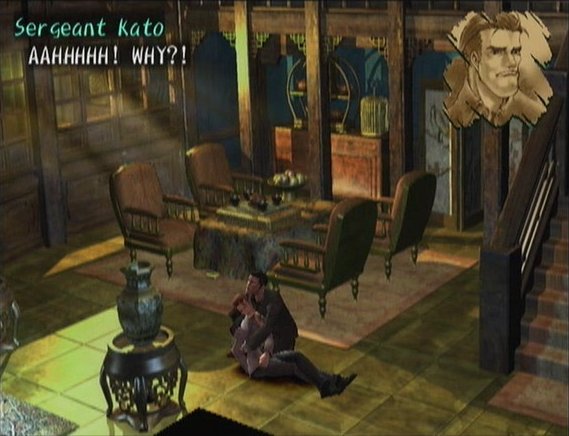 |
| Kato is an excellent tragic villain, having his tragic backstory shown in the original Shadow Hearts and explained fully in the sequel. His back story affects his actions and he sees what he is doing as justified, even if he has to commit horrors to do it. |
Despicable
villains can be a bit more fun than tragic villains, as they're not meant to be
liked. They are meant to be hated for
their actions, which are still justified in their eyes. Despicable villains do what makes them happy
or what advances them without care for others, so they can be pretty shallow
character wise. However, their actions
can speak great depths about the kind of person they are and give them some
memorability. Going back to Suikoden
again, in Suikoden 2, Luca Blight is the main villain for most of the
game. He has his father poisoned and
wages a bloody war across the country to spill as much blood as possible to
empower the "beast" rune inscribed in his castle. However, he really just likes killing. Luca is a textbook case of an anti-social
psychotic who gets enjoyment out of bloodshed.
Yet, he's not an impotent villain who just loves killing because it
makes him feel big. He's trained his
whole life as a warrior and can hold his own, frequently taking part in the
killing himself. In fact, to bring Luca
down it takes a squad of six soldiers against him, after he's been wounded, a
barrage of arrows, and a final duel against the enemy commander while he is
near death, bleeding out, and pumped full of holes. This kind of villain is memorable because of
how despicable he is. Same for Kefka. He's insane.
He wants power for his own sake, so that he can do as he pleases and
takes great pleasure in causing suffering.
He's not afraid to fight on his own, but he's memorable for his quirky
personality, something Luca was rather missing, and his unique visual
appearance, resembling a harlequin. Despicable
villains can be well spoken or thoughtful as well, such as Grahf from Xenogears
musing on the nature of human existence or on the darkness and evil which
resides within us all, even though he freely kills his subordinates and wants
to destroy all. So, how do you destroy a
good despicable villain? Make their plan
not make sense within the context of the world or for their character. Barthandelus from Final Fantasy 13 is a good
example. Despite having a memorable
look, his plan is very, very stupid. He
wants to reduce the entire world to nothing.
Now, you could argue that this is stupid, and I have, because he acts as
a god, lives in luxury, and his children basically rule the world. But, devil's advocate, let's say he's gone
insane and wants to reduce the world to nothing. Why doesn't he do it himself? He is a god after all. Why does he need to rely on proxies to do it
for him? And why does he think
destroying the world will bring his creator/father back when there doesn't seem
to be any evidence it will? Why does he,
if he wants himself to die to, fight and hound the players? See, a despicable villain does not have to be
terribly deep, but their plan needs to make sense from a certain
perspective. Luca likes killing, so he
starts a war. Simple. Kefka wants power and is selfish, so he
weasels his way into a position of power and then turns himself into a god of
magic. A bit contrived, but
sensible. Barthandelus wants to reduce
the world to nothing, so he and his organization actively try and stop the
people he manipulated into becoming the tools for the end of the world...wait, what?
 |
| Luca Blight is an excellent despicable villain who simply has a deep rooted need for slaughter. He is absolutely reprehensible, but very memorable because, as he said, it took hundreds to bring him down, but he killed thousands with abject glee. |
Aside from
a poorly realized master scheme, there are two final pratfalls to avoid when
writing villains. The first is
comparison. If you are going to have a
really impressive villain in your game, one who follows the outlines set up
above, you don't want to create something more impressive or more dangerous or
more interesting than them. This will
leave the audience feeling cheated, as they invested time in believing your
important villain was important, but then something bigger, cooler, and more
evil comes along. This is why you don't
have a giant evil demon boss BEFORE you have your human trying to force people
to act a certain way for the greater good.
The taste of the villain sours after you've had something bigger and
more impressive. Second is supplanting
the main villain. Especially with tragic
villains, we, the audience, grow just as attached to the bastard we want taken
down as we do to the heroes. So, if we
spend most of the game hating and fighting and preparing to fight one big
villain, only to have him be replaced by a lamer, stupider, less
powerful/intimidating villain, it will really sour the games taste. Seymour Guado in Final Fantasy 10 should've
been our final final boss, but he was replaced by Yu Yevon, who was barely
alive to begin with. Satan killed the
Lord of Necromancers in Castlevania: Lords of Shadows because "Evil
muahahahahaha!" Look, I get that
you want a twist, but you can do better.
Replacing an iconic villain like Vaz in Far Cry 3 will just make us call
bull shit. The only time when this can
work is if you have a villain we are equally familiar with, either masquerading
as a hero or hiding in the sidelines where we still know he exists but he's not
the top priority, come out and one up our main villain. The twist in the original Bioshock where
Andrew Ryan is replaced is one of the more subtle and brilliant plot twists in
modern gaming. It can be done, but it
takes finesse, proper scripting, and good pacing. Not to be tried by amateurs and not to be
used for shock value. You will only piss
off your audience if you throw in a twist just for the sake of having a twist.
 |
| Vaz is the face of evil in Far Cry 3...so why isn't he the final final boss? Why waste such a good character?! |