Showing posts with label Devil May Cry. Show all posts

Wednesday, June 25, 2014

To Walk Among Giants: Empowering a Play To Make Them Feel Strong


             I'm back from NYC and since we discussed the magic of how to make a player feel weak and helpless last time, through disempowerment, let's talk about the opposite this time.  Empowerment is pretty easy to understand on a lot of levels.  People like to feel strong, to feel capable.  Often, they aren't strong or able to feel proud of themselves due to illness or circumstance in real life, but a game can give them that feeling.  It can make them feel good about themselves.

It would feel good to be Kenshiro, punching a tank to death...games can give you that awesome feeling.
            Sadly, while it is easy to understand why empowering someone is so enchanting, it is often botched by those who attempt it.  See, there are a number of ways to empower a player and give them that feeling of strength and pride in themselves.  However many game designers fall prey to cliche or the idea that by simply making a player hard to kill or a game easy that it will have the same effect.  This is far from true, because hollow empowerment, an experience which tries to empower but which is plainly false and not convincing, is even worse than disempowerment.  It doesn't just make you realize your own situation.  It makes you feel like a sham for trying to be strong.  Real empowerment doesn't make you feel ashamed for trying or hollow or empty because it doesn't live up to the experience promised.  It gives you a real feeling of weight behind your actions and the play you make.
A shell of empowerment will only make you feel a shell of yourself...it will make you feel weak, not strong.  That must be avoided at all costs in games meant to empower.
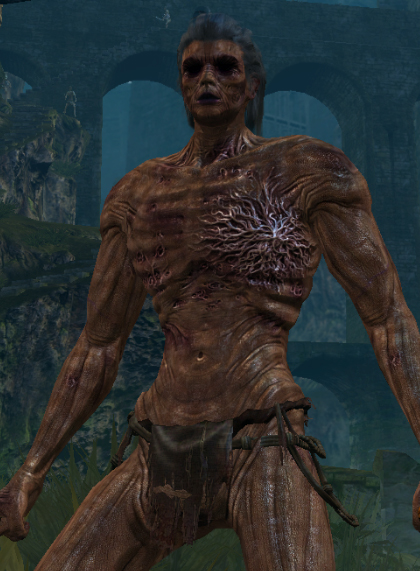
            There are a number of very good ways to empower a player.  In fact, many games ramp up the difficulty for the sole purpose of this, as struggle and a little bit of disempowerment make an eventual victory even sweeter.  Dark Souls 1 and 2 are games that have the potential to be very frustrating, but the difficulty actually makes the victories you have very satisfying.  You start out at a decent power level.  You're not naked, unless you choose to be, and can fend for yourself.  However, the bosses and many enemies you face will be better equipped or just massive.  You will feel small and weak in comparison, but the game is built in such a way that you can win, no matter how weak you are, if you are able to recognize patterns or train yourself up.  It feels AMAZING to down a demon that can one shot you and which is 2-4 times your size.  So, while it can be disempowering to come across such challenges, building a game that is challenging, but balanced enough so that you can overcome it, makes victory feel all the more sweet.

This thing is just huge...downing it for the first time, I felt like such a bad ass.
            Personally, my favorite method of empowering a player is through sensory feedback.  Obviously, games cannot cater to all five senses, but sight, sound, and even touch can be catered to in video games and if they are sufficiently satisfied, then the player will actually feel closer to the character onscreen or more engaged in the action.  This will make their power feel all the more real, all the closer to home.  Warhammer 40K: Space Marine is a great example of sensory feedback.  The actions on screen are all beautifully animated and make the player feel strong, showing the overwhelming strength of the space marine you control compared the hordes you are fighting.  However, I would argue that sound design is where this game really shines.  You see, the standard weapons are bolters.  They are guns which have explosive shells and whenever one is fired, the sound is very satisfying.  It doesn't sound like a tiny pistol or even the insubstantial racket of a machine gun, it feels very solid and strong.  It's a nice blunt burst, followed by a tiny explosions to remind you of the power of the gun.  In fact, at once point, you get a machine gun version of the bolter called a twin combi-bolter, which doesn't sound like a machine gun at all...it sounds like something more akin to a minigun coupled with a rocket launcher.  Ironically, it's pretty weak compared to the other weapons later on.  However, I stuck with it for a while because the sound was so satisfying and it just felt good, hearing it whenever I fired it off in rapid succession.  With a rumble controller, games like Space Marine or other titles can even give you a touch sensation feedback.  It can help the game give you a real feeling of the weight of your actions.  This kind of sensory feedback can help you to feel strong and empowered because it is both satisfying, making the actions on screen resonate with the players, and it is also able to give them a feeling of importance through the sheer force of the senses.

The look, the sounds...everything in this game assaults the senses...and it feels good.
            A sense of realism is not necessarily needed when trying to empower a player.  Yes, I've talked about making the player feel more in tune with their game avatar through the senses, however that doesn't need to be grounded in reality...and indeed, most games feature physics or players wielding weapons that would be impossible to use normally.  However, there needs to be a feeling of weight behind the weapon.  Not heavy weight necessarily, but some weight.  For example, one of the satisfying things to do in Devil May Cry is to juggle an enemy with your guns.  To hold him up in the air and keep him there with gunfire.  If you took this out, the guns would have almost no weight, because they don't stagger enemies who are standing and if they couldn't hold an enemy in the air, they would have no power behind them.  They'd still do damage, but they would feel weak and would not empower the player.  Likewise, any game where you hit something?  There needs to be a feeling of weight behind each attack.  Light attacks can be somewhat weightless, since they are meant to be quick, glancing blows, but if a player throws a heavy attack it doesn't feel like it does anything, then you've done something wrong in designing the game.  One reason Dark Souls is so deep is because each weapon has weight behind it.  A different weight.  So, some attacks will be slow, laborious affairs that will shake the ground or stagger an enemy when they hit.  This gives them a feeling of weight that makes each action meaningful and allows the player to feel as if they are stronger than they are.  Sadly, Splatterhouse doesn't always do this.  I love the game, but the fists feel a bit pointless...weapons and the super form are a bit slower in their swings and do more damage/stagger the enemy and they feel satisfying because of it, however the regular fists are a bit unsatisfying.

Imagine how much less bad ass you'd feel if your guns couldn't do this...the weight of those attacks matters.
            I would even go so far to say that this does not just extend to games where you fight.  A game like Harvest Moon or Rune Factory can give meaning to your farming by making the swing of your hoe feel heavy or the flow of your fishing line light because it's only a bit of wood with twine attached to it.  These different feelings of weight add, not necessarily a sense of reality, but a sense of value to the actions.  A player who feels their actions have value is a player who feels empowered.  It makes them feel strong because what they are doing has meaning in the world of the game.

If each swing of the hoe has meaning and value, then the game will make you feel good.
            Another important thing to think about is challenge.  Now, I've already talked about how disempowering a player only to have them rise from the ashes stronger than before can be a great way of empowering them, however challenge as a whole is a very important aspect of game design to consider.  Many game developers think it's fine to just let players follow a linear, easy path to the end, leading them by the nose so that they can see the sights and be done with it.  However, without challenge, without a feeling of resistance by the game, then the victory feels meaningless.  It is hollow.  I don't think a game should be so brutal that players cannot win, like say Ghouls and Goblins or Silver Surfer on the NES, because those games are so unfair in their design that it feels almost pointless to try, because without hours of work, you can't even advance past the third or fourth level.  However, don't make it so easy that the players feel like they're being given a win.  They have to earn it on some level, otherwise it won't be empowering.  Tiny Barbarian DX is, in my opinion, a decent balance in this regard.  The game gives you infinite lives, so you don't get kicked back to the beginning arbitrarily, however when you die it puts you back to the start of that particular section.  You still have to win each boss battle with no more than six pieces of health and each section is still a platforming and combat based challenge.  It requires skill and work to get through, but it's not necessarily hard, because you can try as often as you want.  I think this balance is important in making a game both empowering but also accessible to players who may not be the best in terms of skill.

Tiny Barbarian DX may not be hard, but it ain't easy.  This game strikes a nice balance.
            Choice is another aspect of game design that allows for a player to be empowered.  I am NOT talking about arbitrary choice.  Not talking about a button at the end of the game which gives you either ending A or ending B.  I'm talking about meaningful choice.  Doing something that feels like it matters.  Sometimes these choices can be organic.  Demon's Crest lets players go to levels in whatever order they choose.  Some of these levels will be impossibly hard than others, because you won't have the skills you need, however the choice, where you can go and the ability to not just stick with it, but change it, is powerful.  It lets a player feel in control.  This is why sandbox games are so popular these days.  Because while you will have a story based mission, the plethora of side missions and open world interaction, organic interaction like driving a cab or an ambulance in Grand Theft Auto, allow you to play your way and gives the player the feeling that they are in control of their own destiny.  That feeling of choice and power over how they play in a game like Skyrim can be very empowering, because they are not restricted, like they might be in real life.  In real life, we need to work, sleep, go to school, do assignments, whatever.  In a game, being able to choose not to sleep, or choose to go against the beaten path or the established formula...it feels refreshing, because it gives us a feeling of freedom we don't get in normal life.  And that's why choice is so empowering.  It gives us the power to do what we cannot in normal life.
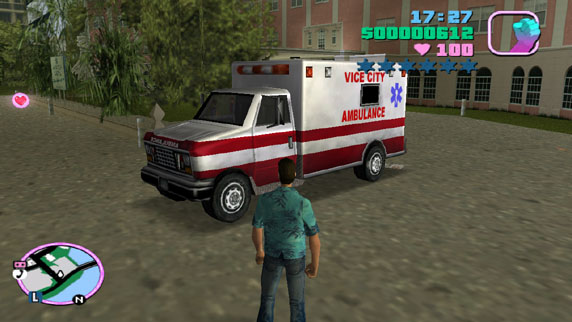
Choose your own path, be it the path of the crook or the path of the savior.
            Now, I have given several examples of ways to empower players.  The feeling of weight behind actions, choice, sensory impact, disempowerment peppered with hope for the future, challenge, etc.  But don't try and shoehorn everything into one game.  These are ways of empowering a player, not a checklist.  Every game needs to try and do it in its own way and sometimes that way may be derivative or even completely unique from these examples I'm given.  They don't all need to be included, but I'd say that at least one or two couldn't hurt.  Because, for the player to feel empowered when that is the game's intent?  That's important...not just for the designer, but for the player as well.  It can help them face the demons they're dealing with in their life by giving them an outlet where they can build confidence and be strong.  The most important thing a developer can do, is play a game and ask if they feel strong while playing it.  Not, is the story good, or is the music beautiful, or are the graphics AAA.  Ask if you feel powerful while playing it.

If you feel powerful, you'll be less afraid of the demons, real and make believe, that assail you.
            I recently bought a game called Risk of Rain for the PC and for a while, I just felt weak playing it.  However, it had many different characters with different play styles to choose from and eventually I found one I liked.  A poison beast called Acrid who had to fight up close so enemies could easily wail on him, but he could destroy great swathes of them if he poisoned them, since the poison was strong.  Now, this mixed both a feeling of challenge, choice, and something I can't quite put my finger on to make me feel tough.  I was well aware the enemies could kill me easily, and I did die, but I walked through them like a giant, laying waste to all in my path for a while, even the large bosses.  It just felt good.  And if a developer can play a game and say, I feel good...I feel strong...then they know they've got a winner on their hands.
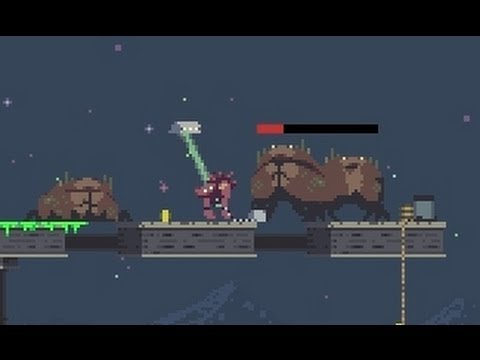
I may be small, but my poison is fierce >:)
            Empowering a player may seem like a no brainer, but making it feel genuine is actually pretty tough.  It's something I encourage not just developers, but players to think about.  Because we all need that boost to feel powerful sometimes and nothing is more pitiable than trying to unwind and feel strong with a game, only to feel cheated, frustrated, and weak by the end.

            I enjoy games that can genuinely make me feel powerful, because many games will actually go that extra mile to not only make you feel strong while playing, but to make you feel strong even after you stop.  By making a hard choice or doing something challenging, you can feel the empowerment of your game and avatar even after you've stopped playing and it can help you through your trials.
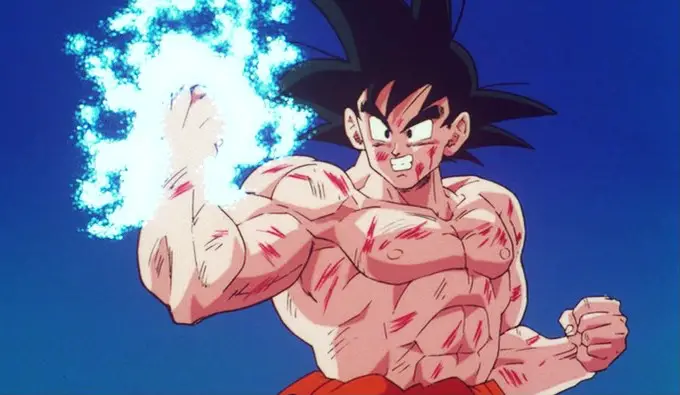
We all need to feel powerful sometime.  Confidence will help us survive the trials ahead...so empower through gaming.
            Disempowerment has its uses, for story, to teach us about fear so we are ready when life throws challenges our way, or just because we want to feel low for a bit...but empowerment, I believe is just as if not more important, because it helps us with living our lives.


            I hope you've enjoyed this discussion on power fantasy, both disempowerment and empowerment.  Next week, I believe we'll go back to a creator spotlight, like I promised so long ago, however I have to say that alongside writing for my other blog, I'm also preparing to go to China soon.  So...my updates may be a tad sporadic.  Sorry if that's inconvenient, but it is what it is.  I have my priorities after all.  I don't intend to stop, but if I need to take time to get done what needs doing, I will.

            Thanks to everyone who continues reading this silly little blog of mine, even now.

Thursday, June 13, 2013

Month of Characters Follow up: What Makes a Good Character?


Following my month of characters, I thought I might give some context to the lists and discuss what makes a good character and how so many writers and designers end up screwing up potentially iconic characters.

            First, let's start with heroes.  There are two basic types of heroes in video gaming that are very common.  The first are heroes who we find admirable, personable, or otherwise likable.  They are our avatars, but they are not us.  They have their own character, their own arcs, and their own agenda.  What makes a good hero?  Well, for starters, they need vulnerability.  The story may suggest that the hero can never die, however a hero is only compelling if the illusion of failure is hinted at through fallacies and weaknesses that the hero possesses.  For example, a personable hero having specific emotional triggers, phobias, or personality flaws is very humanizing, as we can often recognize those within ourselves.  These are sometimes the hardest to pull off in video game characters convincingly, because while a tragic past is rather easy to concoct, it can be difficult to make a hero vulnerable and weak, but still admirable and strong. 

Kratos is just not a well designed character from a story standpoint.  He's angry before his tragedy, he's angry after his tragedy and his back story barely ever comes up.  As a character, he's just a ball of rage with no reason to be but to kill.
            Kratos from the God of War series is an excellent example of a hero who fails to be relatable.  While he does have a tragic past, his personality is all rage, sarcasm, cruelty, and disdain.  He never shows signs of human weakness during battle or even during much of the plot.  And when he does attempt to show some weakness, it feels contrived because the character has not been built to actually support that weakness.  It is being jammed in where it is not wanted.  On the flipside of that, we have Ness from the Earthbound/Mother series.  Despite being a largely silent protagonist, Ness has several humanizing factors to him through game design.  Over the course of the game, Ness can come down with a number of status ailments that make it clear that he is, in fact, still just a kid and not some immortal super being.  Ness can get homesick and need to call his mother for support.  Ness can get the flu or a cold and need medicine.  Ness can get sick from allergic reactions and need homeopathic healing.  These small touches show that Ness is in fact a kid and vulnerable to childhood maladies, both physical and psychological.  It provides a nice perspective, showing that for all the new age hippies or knife wielding thugs you can take down with your psychic powers, you do still need a cuddle from your mommy or a teddy bear to start the day.  Watching a character act human is so much more relatable than a tragic back story.  If you are going to give a character a tragic back story, have it directly relate to their character and their vulnerabilities.  Dante, in the original Devil May Cry on the Playstation 2, lost his mother to demons.  While a great deal of information is not given, it comes out that this was a momentous event for him that shook him, through the story.  He takes a job from a woman named Trish primarily because of her resemblance to his mother.  When she betrays him, it hits the devil hunter very hard and after she is killed, he sheds tears for her.  His past directly relates to his character development in the game and it shows that he is vulnerable to being deceived because of his past.
Despite his cocky attitude, Dante has a tragic backstory that actually affects how he decides to act in the game, causing him to both grow and show signs of vulnerability.  This makes him a far more well rounded character than Kratos or your average shooter character.

        The other type of character is a power fantasy character.  Largely, these characters are avatars for the human players, with little to no personality of their own, allowing players to feel strong by playing the role of these characters in the game.  While this can lead to some interesting political, religious, or philosophical commentary, too often it is used for somewhat...reprehensible dreams.  A power fantasy character done wrong is where the game is built around appealing to the most base instincts of the human psyche, things like the desire to fornicate, the desire for wealth or power, the desire to kill in order to feel strong.  Modern warfare shooters appeal to players by allowing them to fit the stereotypical soldier, a walking death machine who kills without remorse in the name of the greater good(in the narrative at least) without consequence.  God of War, while not strictly a power fulfillment game as Kratos isn't a blank slate, does allow players to have sex with random women without consequence, and actually rewards the act.  Sexual games in Japan are also catered towards this style of play, allowing gamers to take on a character they can put themselves into as they either woo or abuse women for their own enjoyment.  These kinds of games do, sadly, fill the power fantasy requirement of giving characters the ability to make themselves feel strong, virile, or well off, however the actions that give off these feelings are, in my opinion, tragically flawed and can at times promote unhealthy views towards different races, genders, or the world in general. 

Ninja Gaiden 3 is power fantasy done very poorly.  It outright forces you to do acts that are horrific, even if they are empowering, without any set of consequences...they even reward you for it.  The infamous scene of Ryu killing a begging soldier, being forced to kill a begging soldier, is a sign of how flawed the game approaches making players feel tough.
            So, how do you pull of power fantasy heroes?  Well, there are a few good ways to do this.  The first is to supplant some of the more base desires and hit the itch to explore.  Power fantasies aren't just about base instincts, they are about being able to do in a game what you cannot do in real life.  Crafting a world or an environment that fosters exploration and rewards it, not necessarily with money or items, but with sights and experiences they cannot see elsewhere really helps grant players a reward for their effort.  Dark Souls does this quite well.  Though the world may be bleak and lonely, it offers a unique experience where the very act of exploring allows players to see things they could never hope to see in the real world, be it giant monsters, or unforgettable sights, such as crawling through a huge tree to reach an acid lake at the bottom.  Another good way to do power fantasy characters is to make the hero generally a good guy.  This allows you to not only enjoy the world that's been crafted around you, but also it allows some of those baser instincts to be sated without some of the guilt.  Adol Christian, for example, is an explorer and a swordsman who frequently makes romantic acquaintances with beautiful women the world over.  However, Adol does not take advantage of their affections as he is a character who acts with honor.  Adol is silent, so the interactions of those around him give us context to this effect, making the players accept the lack of ability to take advantage of those around us.  Also, Adol is a skilled swordsman and the combat in the Ys games is fast and enjoyable, allowing players to feel good about defeating monsters and protecting the innocent, rather than killing other human beings for some vaguely defined hyper masculine idea of patriotism.  Above all else, power fantasy should be about freedom, though.  Freedom to explore, freedom to challenge conventions, freedom to do as you wish.  This may lead some players to running over hookers in Grand Theft Auto, but a good power fantasy game does show that your actions have negative consequences, such as increased notoriety score and the possibility of being arrested or killed, and that while it is possible for you to hurt others for your own enjoyment...it's not the wisest idea.  In this way, they can subtly guide the player to a more fulfilling experience.  Power fantasy characters use the world and our own human impulses to affect us, often without our realizing.

While often cited as a highly adult game, Grand Theft Auto actually does do power fantasy very well.  You can do horrific acts to people around you, but it comes with consequences, like being arrested or killed.  In contrast, if you act like a good citizen, the game actually will award you money for saving people.
            Now, for villains.  Once again, there are two main types of villains.  Tragic villains and despicable villains.  Before we go into that, however, let me just say that in many games, villains are much easier to make than heroes.  If you do not have a villain who looms over the party for much of the game, you merely have to create a character at the end who has ties to the characters or the game world, has a view that is horrific or unjust, and who has a good reason to fight the main characters.  Final Fantasy Legend is a good example of this, in my opinion.  There are six main villains.  The four who guard the main worlds, Ashura, and the Creator.  The four who guard the main worlds are using their power to oppress the peoples of their worlds and/or block the way up the tower, as the higher up characters get, the stronger they become and are therefore more of a threat to these villains.  We don't have much prior contact to them, but the facts that they act in a manner that is clearly evil, that they don't replace someone more interesting or who we've had an investment in, and that they have a reason to want to stop us justifies these actions.  Ashura and the Creator are very similar in this regard.  However, they make ingratiating offers of the player, showing that while they have views that may be unjust, they are not entirely unreasonable, feral, or evil for the sake of being evil.  This shows some depth and allows the players to feel as if they have made a real triumph in refusing the offers these two make.

Bowser is fine as a simple villain.  He opposes Mario and wants to rule the Mushroom Kingdom.  Simple and to the point.
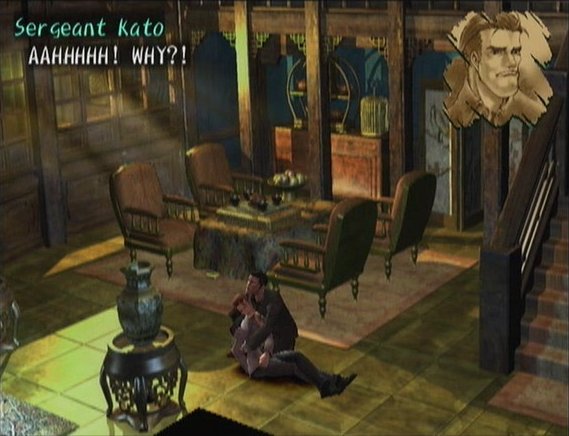
            Now, that said, that kind of template only works for the most basic of villain.  Really interesting and memorable villains are those with nuance, who you develop an emotional attachment to, and who are iconic in their own right.  Tragic villains usually have a back story that is depressing or has altered their view points so that they are acting in a manner that seems evil, but which is justified to them.  Like characters with tragic back stories, for these villains to really succeed, you need to interweave their current actions with their past, otherwise they become stock villains.  Evoland is a game which charts the history of adventure and role playing games in a satirical fashion and the main villain, who comes out of nowhere, is revealed to have a tragic backstory of his race being hunted for some reason, despite never mentioning it, hinting at it, or showing and trace of bitterness or regret until the final battle.  This is the definition of a stock villain, and Evoland created him in that way to parody the RPG stock villains of past and future.  A tragic villain with some bite is one who knows that what they are doing may not be justifiable, but still believe it is best for them or those dear to them.  Kato from Shadow Hearts: Covenant is this kind of villain.  He carries himself with an air of melancholy and early on he and Yuri discuss the loss of his love.  This melancholy and reference to his tragic past carry on throughout the game through his interactions with his superiors, who he has contempt for, and his resurrection of his lost love, albeit without her memories.  In the end, Kato decides to try and alter fate for the sake of love.  While he recognizes all the people he can and likely will hurt through these actions, to him it is justified because of all that he has lost.  This is a really well defined villain that players feel for and grow attached to.  They are lucid, reasonable, likable even, and are not deluded about the course of actions they have chosen to take.  A good way to mess up writing a tragic villain, apart from a stock backstory that is only mentioned once for the sake of pathos, is to have them be unreasonable, petulant, and whiny about their tragedy.  I honestly believe that Luc, from the Suikoden series, is a rather poor villain because he not only does he have immense power, but he has fought on the side of justice before and has a stern, but loving teacher and girl friend.  He should be perfectly content with his life.  However, the source of his power, his "true rune" of wind, which grants him mastery over wind and eternal life, seems to cause him distress as he believes his destiny is not his own.  So, he seeks to free himself from this burden by destroying the true rune, in an experiment which could wipe out an entire country.  Really, this is like saying "Wah!  Wah!  My whole life, people have made choices for me, I never got to live MY life!"  The truth is, Luc HAS lived his life, has made choices, and even if it felt like his destiny was being controlled, it was still ultimately up to him.  We all have choices.  But this attitude makes him seem whiny and ungrateful.  A sharp contrast from his previous appearances.

Kato is an excellent tragic villain, having his tragic backstory shown in the original Shadow Hearts and explained fully in the sequel.  His back story affects his actions and he sees what he is doing as justified, even if he has to commit horrors to do it.
            Despicable villains can be a bit more fun than tragic villains, as they're not meant to be liked.  They are meant to be hated for their actions, which are still justified in their eyes.  Despicable villains do what makes them happy or what advances them without care for others, so they can be pretty shallow character wise.  However, their actions can speak great depths about the kind of person they are and give them some memorability.  Going back to Suikoden again, in Suikoden 2, Luca Blight is the main villain for most of the game.  He has his father poisoned and wages a bloody war across the country to spill as much blood as possible to empower the "beast" rune inscribed in his castle.  However, he really just likes killing.  Luca is a textbook case of an anti-social psychotic who gets enjoyment out of bloodshed.  Yet, he's not an impotent villain who just loves killing because it makes him feel big.  He's trained his whole life as a warrior and can hold his own, frequently taking part in the killing himself.  In fact, to bring Luca down it takes a squad of six soldiers against him, after he's been wounded, a barrage of arrows, and a final duel against the enemy commander while he is near death, bleeding out, and pumped full of holes.  This kind of villain is memorable because of how despicable he is.  Same for Kefka.  He's insane.  He wants power for his own sake, so that he can do as he pleases and takes great pleasure in causing suffering.  He's not afraid to fight on his own, but he's memorable for his quirky personality, something Luca was rather missing, and his unique visual appearance, resembling a harlequin.  Despicable villains can be well spoken or thoughtful as well, such as Grahf from Xenogears musing on the nature of human existence or on the darkness and evil which resides within us all, even though he freely kills his subordinates and wants to destroy all.  So, how do you destroy a good despicable villain?  Make their plan not make sense within the context of the world or for their character.  Barthandelus from Final Fantasy 13 is a good example.  Despite having a memorable look, his plan is very, very stupid.  He wants to reduce the entire world to nothing.  Now, you could argue that this is stupid, and I have, because he acts as a god, lives in luxury, and his children basically rule the world.  But, devil's advocate, let's say he's gone insane and wants to reduce the world to nothing.  Why doesn't he do it himself?  He is a god after all.  Why does he need to rely on proxies to do it for him?  And why does he think destroying the world will bring his creator/father back when there doesn't seem to be any evidence it will?  Why does he, if he wants himself to die to, fight and hound the players?  See, a despicable villain does not have to be terribly deep, but their plan needs to make sense from a certain perspective.  Luca likes killing, so he starts a war.  Simple.  Kefka wants power and is selfish, so he weasels his way into a position of power and then turns himself into a god of magic.  A bit contrived, but sensible.  Barthandelus wants to reduce the world to nothing, so he and his organization actively try and stop the people he manipulated into becoming the tools for the end of the world...wait, what?

Luca Blight is an excellent despicable villain who simply has a deep rooted need for slaughter.  He is absolutely reprehensible, but very memorable because, as he said, it took hundreds to bring him down, but he killed thousands with abject glee.
            Aside from a poorly realized master scheme, there are two final pratfalls to avoid when writing villains.  The first is comparison.  If you are going to have a really impressive villain in your game, one who follows the outlines set up above, you don't want to create something more impressive or more dangerous or more interesting than them.  This will leave the audience feeling cheated, as they invested time in believing your important villain was important, but then something bigger, cooler, and more evil comes along.  This is why you don't have a giant evil demon boss BEFORE you have your human trying to force people to act a certain way for the greater good.  The taste of the villain sours after you've had something bigger and more impressive.  Second is supplanting the main villain.  Especially with tragic villains, we, the audience, grow just as attached to the bastard we want taken down as we do to the heroes.  So, if we spend most of the game hating and fighting and preparing to fight one big villain, only to have him be replaced by a lamer, stupider, less powerful/intimidating villain, it will really sour the games taste.  Seymour Guado in Final Fantasy 10 should've been our final final boss, but he was replaced by Yu Yevon, who was barely alive to begin with.  Satan killed the Lord of Necromancers in Castlevania: Lords of Shadows because "Evil muahahahahaha!"  Look, I get that you want a twist, but you can do better.  Replacing an iconic villain like Vaz in Far Cry 3 will just make us call bull shit.  The only time when this can work is if you have a villain we are equally familiar with, either masquerading as a hero or hiding in the sidelines where we still know he exists but he's not the top priority, come out and one up our main villain.  The twist in the original Bioshock where Andrew Ryan is replaced is one of the more subtle and brilliant plot twists in modern gaming.  It can be done, but it takes finesse, proper scripting, and good pacing.  Not to be tried by amateurs and not to be used for shock value.  You will only piss off your audience if you throw in a twist just for the sake of having a twist.

Vaz is the face of evil in Far Cry 3...so why isn't he the final final boss?  Why waste such a good character?!
            And so, that's my follow up to the month of characters.  Aspiring designers, script writers, or storytellers, take notice.  I've given you the secret to making good heroes and villains on a silver platter.  It amazes me how, even to this day, poorly written characters just get a pass.  We, as gamers, demand better from our heroes and villains.  We want them to be memorable, but not for how bad they are.  So, I hope this has given a little bit of context to why I did the month of characters in May.

Thursday, April 4, 2013

Safe Sequels: Are They Really as Bad as Everyone Says?


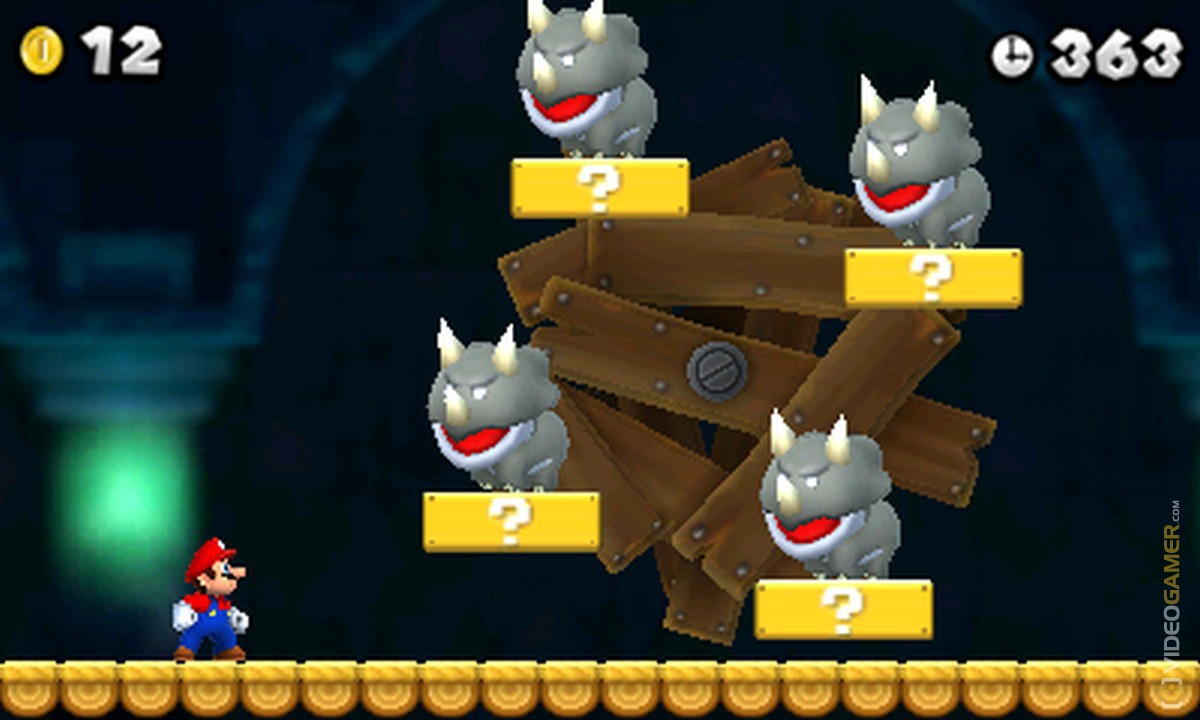
            Recently, I purchased the game Sly Cooper: Thieves in Time.  There were a number of things about this game I found strange.  It was a cross buy with the Playstation Vita, it was $40 instead of the usual $60, and it had no instruction manual, preferring to have its controls printed on the reverse of the cover.  While all these things offer interesting discussion points, I have a different topic I want to cover.  You see, when I played Sly Cooper: Thieves in Time, I thought to myself, "Huh...this is a lot like Sly 3: Honor Among Thieves."  And you know what?  That's okay.  That's not a bad thing.  I know tons of people who cry foul about how every New Super Mario Brothers game just rehashes Super Mario Brothers 3, but...it's still fun, yeah?  Safe sequels aren't always a problem.  Sometimes, they can even be a blessing.
Look familiar?  That's not always a bad thing.
           As I so often do, let me defend myself from any accusations.  Yes, it is important for games to keep evolving.  No, game designers should not get lazy, nor should they be willing to settle for what's profitable rather than trying something new.  Yes, I love games that try new things, like Flower, Journey, or the Trauma Center series.  But you know what?  I also loved Mario Galaxy 2.  I enjoyed Bioshock 2.  Dragon quests 4-9 are among my favorite RPGs of the last twenty years.  And yes, they are all games which have been done before.  Here's the thing.  The games industry constantly tries to innovate.  However, eventually, you're going to hit a plateau where innovation is no longer possible through game design and instead relies on technology.  We're reaching that point now, with accessories like the Kinect, WiiU controller, or Sixaxis controller offering some of the only new types of game experiences.  Sure, games can play differently, look differently, or tell different stories, but looking at them, at least one person can say it's "Like _____, but..."

These graphics are the norm for Dragon Quest 4-6.  Yet the story and tweaks to the norm make each game just as engaging as the last.  The best definition of a safe sequel.
            My point is, you don't need to reinvent the wheel with new technology or try a UI no one has ever tried before or do something stupid or annoying simply because it's "new."  Sometimes, what we want is a sequel where we know what we're getting.  We want a new story to be told and new music, certainly, but the gameplay can largely remain the same.  Look back at Sly Cooper: Thieves in Time.  Is it better than Sly 3?  probably not.  Is it derivative?  A little bit.  Does it still give you that Sly Cooper experience with the wacky characters, interesting music cues, off beat mini games mixed with stealth gameplay, and comic-book like story?  Absolutely.  It gives the Sly Cooper experience.  And that experience is fun.

Still plays almost exactly like Sly Cooper 3, but now they're time traveling.  Yes, please!
            Fun is the whole point of playing games, most of the time.  Whether you are suffering against insurmountable odds in Dark Souls or blowing people up in Call of Duty, you play because you enjoy it.  Some games, like Spec Ops: The Line, can be engaging without being fun, but most gamers play to relax and enjoy themselves.  So, if a game is fun...who cares if it plays like an older title?  I think we could have done with a few more "Safe sequels."  Look at Devil May Cry 4.  It left gamers with several unanswered questions about the Devil May Cry universe that may never be answered thanks to the DMC reboot.  However, if Capcom had used the same game engine with a new story?  We'd have eaten it up.  It'd be the same fun, challenging, over the top kind of game, even if nothing new was added beyond the story.  And it'd probably take less time to make, as well.

Look, it's a decent game, but what about all our questions?!  Who was Nero?  What happened to Dante after he went to hell in DMC2?  Is Virgil still alive somewhere?
            Safe sequels do have a place in the games industry, no matter what people might tell you.  For everyone who groans about the latest New Super Mario Bros. game or whines about how Kirby's Return to Dreamland is just a copy of Kirby's Adventure on the NES with prettier graphics, there are dozens of people who just sit down, play the game for fun, and really enjoy it for what it is.  A pleasant way to pass time.  Challenging, visually stimulating, familiar...it doesn't need to reinvent Kirby as a psychotic monster or give Mario a long, in-depth story.  They're enjoyable because we're familiar with them.  And I think that too often people forget this.  New does not always mean better.  A recent new release, Ni No Kuni, used a real time battle system that was somewhat flawed in my opinion.  Many of these flaws could have been avoided if it had used a traditional turn based system.  However, the fear of being labeled "just another JRPG" or derivative made the developer, Level-5, feel like it HAD to innovate.  Like it HAD to try something new.  Ni No Kuni would have been a success regardless of combat, because of the beautiful graphics, whimsical story, amazing music, and the adventure it took players on.  To me, it just feels sad that I had to suffer some annoyances because it had to be "New."  You don't need to reinvent the wheel.  Not always, anyway.

I love this game.  It's beautiful, whimsical, and a blast to experience...but real time combat was not what it needed.  You coulda gone old school on this and it would've been way more polished.
            That being said, let me offer a warning.  I do believe that safe sequels have a place in the games industry.  That they're not really a problem if they're fun.  However, for both players and game companies, if you dilute the brand, then you'll only hurt yourselves.  I have no problem with safe sequels.  But boring sequels?  Those, I can't stand.  And it's important that people know the difference.  Yes, New Super Mario Brothers 2 and New Super Mario Brothers WiiU are enjoyable but they came out with such rapid succession and didn't really do anything with the story, graphics, or tweaked gameplay, that make buying one version more attractive than buying another.  It's like a 2010 vs a 2011 version of a sports game.  You're paying for a slightly better coat of paint and maybe an updated roster.  The reason I saw Sly Cooper: Thieves in Time is an okay kind of sequel is because it'd been almost a decade since Sly 3.  It was time for Sly Cooper to make a come back.  Do you need to wait that long for every safe sequel?  No, of course not, you want your players to remember the series and for it to still be relevant.  However, if you churn out sequel after sequel, year after year...then players get bored.  They get tired of paying $60 once a year for an update.  The Call of Duty Modern Warfare series, which has a new iteration on an almost yearly basis, is a good example of this.  It's still fun to some people, certainly...but will it still be fun ten years and ten to twelve CoD games down the line?  Companies are diluting the brand with constant releases and all it will do is hurt the games.
I picked a screen from a CoD game at random.  Can anyone besides the super hardcore fans even tell me which game this is from?  Yeah...that's how many CoD games get released on an annual basis.
             I do think that story based games, especially RPGs could get away with this a bit more often.  Legend of Zelda: Majora's Mask was built to be a safe sequel, using the same engine as Ocarina of Time, the same graphics, the same character models, etc. and made in roughly a year.  However, it gave us a new story, new places to explore, new people to meet...it gave us new horizons.  Games which rely heavily on gameplay, like modern warfare shooters, Mario games, racing games, sports games, etc. don't always have something new to offer players.  Maybe a new weapon or new set pieces, but...it's the same basic experience.  With no new experience, the game becomes bland.  A safe sequel needs to be what we are familiar with, but also it needs to have something different which will engage the players.  A new story, tweaks to combat, worlds that have never been explored before in that universe, etc.  A good example of this done well is the Dragon Quest series.  Dragon Quest has, as a series, basically recycled the same battle system for years, with a few slight variations.  But the story is always different.  In Dragon Quest 4, players take control of a number of different characters with different goals, jobs, and worries, whose stories all intersect.  In Dragon Quest 5, you play from childhood to marriage and team up with your children to fight evil.  In Dragon Quest 6, players are wrapped up in a battle for two worlds which are parallel, yet hidden from one another.  Even if the gameplay is the same, or slightly tweaked, they offer a different experience from previous titles, while still being familiar.

Despite being made one right after the other in rapid succession, each game was different enough in style, story, and environment, that gamers actually labeled them rivals.  Which Zelda game was better?  Safe sequel becomes timeless rival...I love it.
            Safe sequels are, in my opinion, like a fine wine or brandy.  You can drink them up as soon as the developer wants to release it, but the flavor will be lacking.  Give the property time to age properly and the safe sequel will be much more warmly received.  New Super Mario Brothers was basically a safe sequel to Super Mario Bros. 3 on the NES.  But people ate it up because it'd been over a decade since they'd had an experience like that.  Fast forward to the fourth New Super Mario Brothers game, recently released for the WiiU, and people are a bit more...indifferent, or disappointed.  Does that mean they don't have a place?  No, they absolutely do, but you need to think of properties as an investment.  Sometimes, you need to wait before trying to cash out with them.  If another ten years passed with no New Super Mario Brothers games, players would probably be more receptive to another entry in the series.

Maybe you should give this franchise a little time off, Nintendo.  If the images were shuffled around, do you think any of us could tell the difference?
            Humans are a bit confusing, at times.  When we hear a story, we want closure, because that way we can move on to the next great story, feeling satisfied with what we just experienced.  However, that doesn't mean we never want more stories or more experiences like what we just had.  We just don't want them back to back.  Gamers are sometimes like comic fans.  We enjoy continuity.  We enjoy seeing the next part of the story that takes place after what we just saw ended.  But we need time to digest the experience.  Time to try other things before the next chapter is released.  This is one of the reasons I enjoyed Final Fantasy 4: After Years, even though it was critically panned.  Because it'd been long enough that I wanted to hear more of the story and experience that classic Final Fantasy gameplay.

Save for a slightly "crisper" look, FF4: After Years plays just like it's predecessor.  And that's why I enjoyed it.  New story, new characters, same old Final Fantasy.
            The take away from this is twofold.  First, game companies, recognize if you're milking a franchise too much.  If you keep churning out sequels on a yearly basis and people keep groaning, maybe lay off them for a bit until we're ready for the next part of the story.  It'll help keep the brand strong and players interested, rather than indifferent.  Second, gamers who always whine about sequels that are "just copies of the original," or what have you, take a step back.  Is the game still fun?  Are there more sequels incoming on an annual basis or is this the only one we get for a while?  Do we get a new experience, even if gameplay is similar?  Some safe sequels are problematic, but don't bash on a game just because it's like the original.  If it's fun, lay off. 

Innovation for the sake of a fun, enjoyable experience is the cornerstone of Journey, which uses the oldest storytelling trope known to man.  Innovation works here.
  
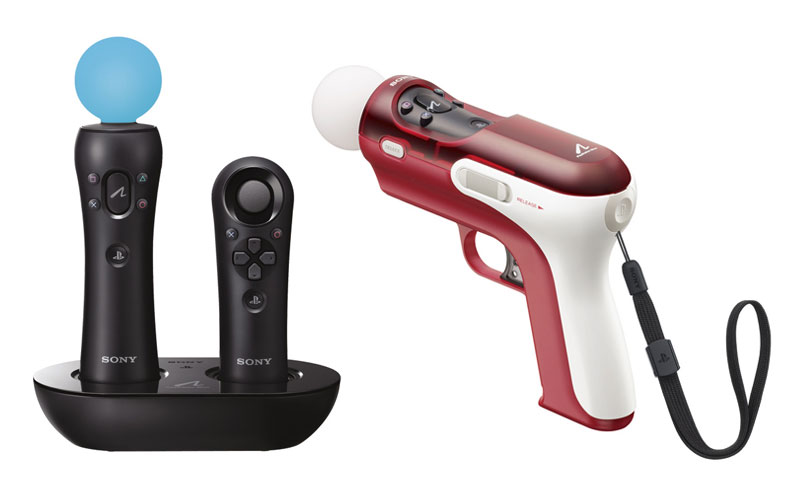
Playstation Move, a controller that has widely been ignored because it tried to jump on the Wii bandwagon and incorporate motion controls.  Innovation fails here, because it was for the sake of profit, rather than for the sake of making the games more enjoyable.
          Innovation does not equate to quality.  Jim Sterling put it best when he said that innovation was the game industry's snake oil.  Innovation for the sake of making a game more fun is great.  Innovation for innovation's sake is just going to end up with a product that is lacking, either in polish or enjoyability.  At some point, you can't really innovate anymore.  So, stop saying that innovation equals quality and something familiar is holding the industry back.  Safe sequels aren't always bad.  Many times, they are an enjoyable romp through familiar territory with a new twist or experience and they help keep their brand and their developer afloat.

Now, where's Devil May Cry 5 or Dark Cloud 3?  I'm waiting...

Thursday, February 28, 2013

What's in a name? Go for something original!

            One pervading practice in the game's industry that really ticks me off is naming schemes.  Names that have numbers which discount sequels, side stories or the like, names that are meant to be a reboot for a series, despite it having a dozen previous entries, names of games completely unrelated to a series...the list goes on.  My big question is, why?  What's in a name?  If the game is something original, go for something original.  If the game is part of a series, make sure it has its proper place either chronologically or spiritually.  Don't use a name just to sell game.  Just don't. 
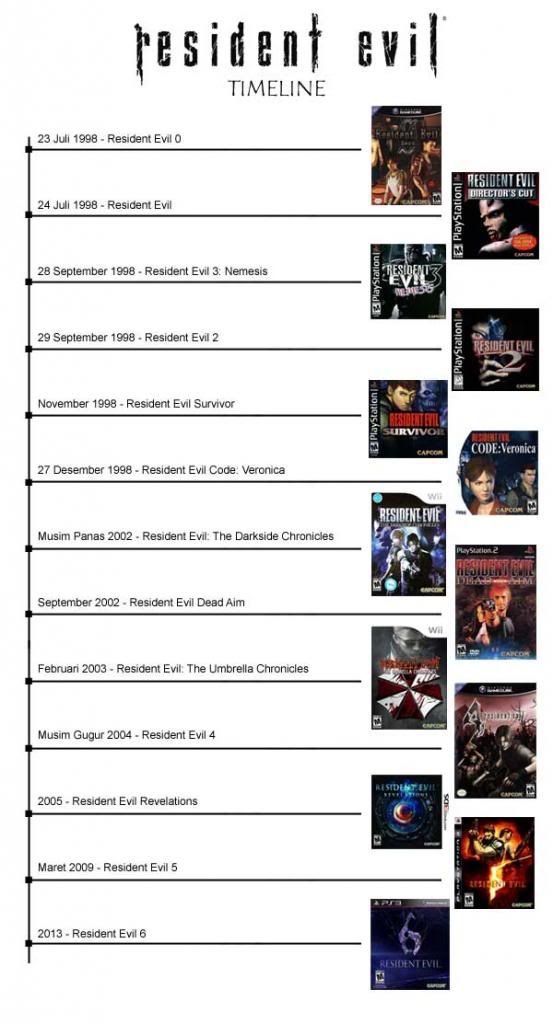
Chronologically confused?  Blame terrible naming conventions!
            Because if you try to sell a game using a name and that game isn't worthy of the name, all the fans you'll win with the name will hate your game.

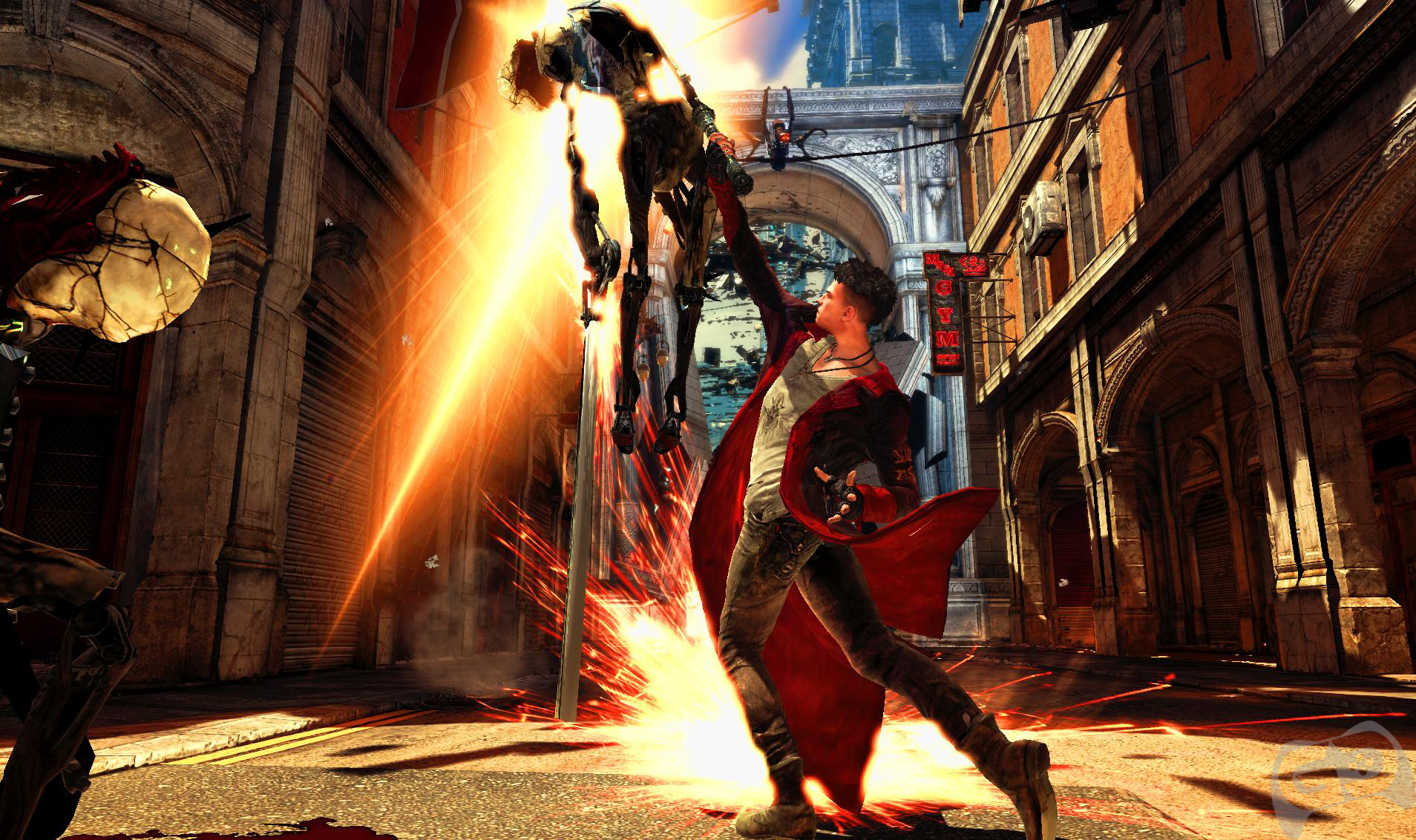
            There are dozens of good examples for this practice.  While DMC was meant to be a reboot of Devil May Cry, it probably would have faired better with Devil May Cry fans if it wasn't given that name.  While the tone of the game is darker than the original series and the character a bit more petulant and angsty, the gameplay is solid and enjoyable.  The level design and aesthetic are unique and the story, while a bit topical, has some interesting nuances.  However, many people who grew up with the silver haired devil killer, Dante, and his brother, Vergil, cried foul of the game for its drastic tonal and character shift.  If the game had been called something different like "Purgatory" or "Angels and Demons" then fans of Devil May Cry would probably have loved the game as a wholly separate entity from their beloved series. 
Top is Devil May Cry 4, bottom is DMC.  Notice the similarities and difference.
These games both look fun, both look like they play similarly...so did you really need to alienate Devil May Cry fans with the new look when they'd probably love the game if it was named something differently?
            Name value is not brand loyalty like it was before the internet.  Before the rise of the internet, people had to rely on names to sell games.  Final Fantasy sold because it was Final Fantasy.  Now, Final Fantasy doesn't sell, not because of drastic changes to the name, but because fans no longer have to rely on the name to see the gameplay.  They have the internet.  They can choose for themselves.  And with the rise of games which blatantly gouge the players for money, like Final Fantasy: All the Bravest or three Final Fantasy 13 games which don't feel like Final Fantasy games at all, they tend to be more angered by the use of the name than prone to buy into it.  When fans of a series see that series bastardized, they are less likely to invest in it because it is not what they want and it actively insults, in their minds, the accomplishments of previous entries.  Bringing it back to Devil May Cray, the game DMC was already receiving a ton of press for its visuals, combat, and because it was being created by Ninja Theory.  It didn't need the Devil May Cry name to sell units.  If anything, the name hurt sales.
This looks like a fun take on old school Final Fantasy.  But the name isn't enough...fans are smarter than that.  When they learned this game was full of price gouging pay to play mechanics, they realized this was anything BUT Final Fantasy.

            And despite how utterly simple this kind of logic is, many people fail to realize that original IP CAN survive and that it doesn't need to cling to other titles.  An example:  Bioshock could have called itself System Shock 3, since it was clearly a spiritual sequel, but it was different enough that they went with a different name for a different premise, preserving the System Shock series for fans while introducing a new game to the public.  It worked.  Bioshock is getting ready to release a third game in its series this year, with no signs of stopping yet.  Darksiders also received critical success even though it was an original IP.  It may have borrowed heavily from the Legend of Zelda and a few other games, but it wasn't called "The Legend of War."  You do not need to use someone else's name to sell a game.  Bayonetta wasn't called Devil May Cry 5, even though it could have been since the combat and mythology were very similar and it's director made the first Devil May Cry.  And Bayonetta was a critical darling, making a huge splash with Devil May Cry fans because of how fun and insane the game was despite it not involving their favorite devil killer.  You don't need to piggyback success from other games if you have a solid product.
Darksiders was an original IP with an original name that made enough money to have a sequel.  Original IP CAN survive!
            More than just original IP having the power to survive though, game companies need to be aware of fan backlash.  The game Turok is a perfect example.  People were hoping to sell a bland, generic shooter, where the player is a space marine on a planet of pirates and dinosaurs using the name Turok, because it had had a successful comic run and was a cult classic on the Nintendo 64.  People balked at Turok, panning it and refusing to buy the game.  The original Turok featured a time traveling Native American who fought off dinosaurs with alien weaponry, spiritual powers, and who dealt with aliens and it became a cult classic, even earning a sequel on the N64.  But the Turok game released in 2009?  That game was as bland and cookie cutter as they come and earned the ire of Turok fans for dashing their hopes of a true sequel.
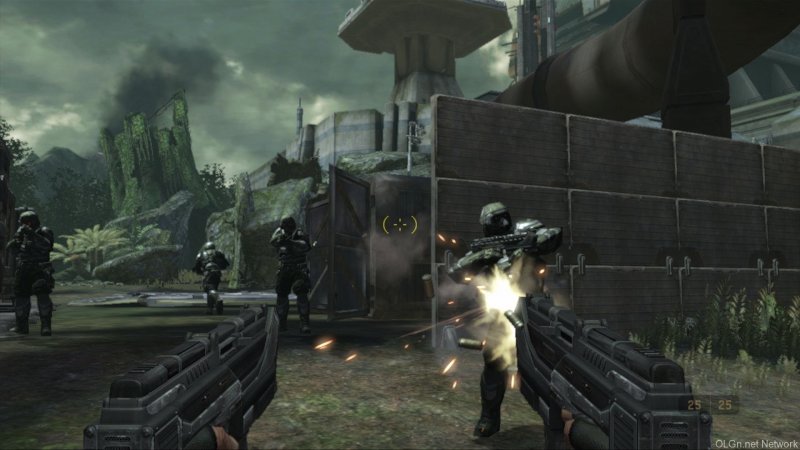
Compare for yourself.  This is Turok 2008.  Can you tell this apart from any other generic shooter on the market?
This is Turok: Dinosaur Hunter.  Cyborg dinosaurs.  Now can you understand why fans hated the 2008 game?

            Hope is one of the cogs of the game industry that keeps it moving forward.  Players hope for sequels or ports, or re-releases of their favorite games.  So much so that they write in, phone in, petition, and go out of their way for game companies to notice that they have interest.  There is a surge of hope every time there is a chance for a Mother game to be released abroad, but it has yet to be realized.  The Mother fanbase is very loyal and devoted to the Mother/Earthbound series.  Now, imagine if an RPG that was just a bland fantasy fare took on the Mother name, which grounded itself in contemporary society with offbeat humor and a strange story?  The fans would go nuts, boycotting the game and crying foul against the company that made it.  So...why is it that game companies keep using names that will more than likely hurt their products?
The Earthbound/Mother series.  If another game took the name and tried to pass it off as a sequel and it didn't look or play VERY similarly to this one, the fans would boycott it en mass.  If they didn't just burn it, that is.
            Well, there are a number of reasons, though none of them are very good.  The first is the design by committee rule.  This is where a game is created strictly by the books, an uninspired, generic, waste of space that never attempts to challenge the player's thinking processes or their skill as a gamer.  Design by committee is not as uncommon as it needs to be and it even goes down to a name.  The committee has to decide what name will sell, even if they know their game is utterly generic.  If it's a movie licensed game, they use the movie's name, so fans of the movie know to pick it up, even if they may not enjoy the game once they've purchased it.  Otherwise, the committee may look at the rights they currently own and which games might fit into the mold, regardless of their original forms.  Syndicate was originally a tactical espionage RPG set in the far future, however it was re-released as a generic first-person shooter with only tangential connections to the original.  A committee looked at what properties they owned, slapped it on their game, and put a thin coat of paint on the surface to disguise it as that property.
This is Syndicate
This game is NAMED Syndicate, but is just another generic design by committee shooter.  Fans were pissed.
            Another good reason is the ability to hide a game's flaws from the public.  In the internet age, nothing is secret.  However, some developers have managed to keep the darker parts of their games' pasts out of the spotlight and give off an image of confidence and polish.  An excellent example of this is Aliens: Colonial Marines.  This game was released to abysmal scores by most, citing numerous graphical glitches, terrible AI and story, and a lack of focus on the Aliens license.  This was due to numerous delays, issues, and developer Gearbox having to start from scratch after a developer they outsourced it to threw out much of their work.   But, by creating an impressive E3 demo, they were able to pull off the illusion of everything being alright.  The demo showcased the Aliens using flanking maneuvers, their environments, and even climbing on the walls or hiding in vents to get people, showing off dynamic AI.  There were also several powerful character moments, where the player jovially flips off one of his marine comrades who is checking on him to see if he's alive.  And what got fans most excited was the ability to use a number of weapons, like the smart gun and power loader, from the Aliens movie.  However, few of these promised features made it into the actual game, and those that did were horribly butchered.  However, because of the illusion of a good game, the name was actually able to move some units before the truth was leaked.  Perhaps not enough units, but in cases like this, some is better than none.
This is the Aliens: Colonial Marines demo.  Yeah, that flame thrower power loader?  Doesn't exist in the real game.  This was just made to hide the poor production of the real thing.
            Press seems to be the biggest reason for these name decisions.  How do we take an utterly generic game and make it stand out, both on the internet and in gaming culture?  Give it a name people will recognize!  This logic is horribly flawed and usually results in fan backlash, like with Turok, however some companies don't care.  Some games are so play by numbers, uninspired, or just plain bad that they need the press to get people to even know their game exists.  This is how shovelware can sometimes reach some success on the market.  A company knows their game is bad, but they have to push it out to try and recoup some of their money, so they use a license they already own to drum up press and some people will be convinced by the media blitz to purchase the game.  Or they will just be morbidly curious as to how butchered their beloved franchise can be.  For some games and some companies, any press, even if they cry foul of the name of your game, is worthwhile.

            One of the saddest reasons for these naming schemes are corporate ignorance or mandate.  Often times, corporations seem to take an almost child-like glee in showing how out of touch they are with their consumers.  Capcom's continual use of on disc DLC or EA's online pass systems are proof of that.  So, some games may be given a name from a series or called a reboot simply because their corporate overlords say that's how it has to be.  They don't take into account the fan reaction, or if they do they don't care, thinking the games will sell well regardless.  This is why, in my opinion, all the decision making at a corporation, at least one involved in game development, should offer final say on certain decisions to the developers actually working on the product.  Maybe the corporation shouldn't create another bland Syndicate or Turok and, instead, just let the developers name their game something unique.  Even if it's bad or uninspired, it at least no longer has to compare to the standards of much better games before it.  By the standards of an original IP, maybe it won't seem as bad and can actually have a chance, rather than being dead on arrival.
Capcom: Pissing fans off with corporate BS since 2007
            There are other, more minor reasons, but they all fall into the same lines.  Before we wrap up, however, I just want to encourage gamers and developers to use their brains when thinking about the names of video games.  Not just sequels either.  When it comes to sequels, reboots, remakes, or what have you, use the resources available to you and do research before you plonk down $60.  Maybe wait a week until after a game is released and check out videos of it online to get an idea for story and gameplay or read a review.  Use your brain.  That also extends to general naming schemes in games as well.  What we haven't talked about are some of the esoteric or bland names in video games.  Fracture, Bullet Storm, Quantum Theory, Sina Mora, Nier, and so many others use names that ultimately tell little to nothing about their game beyond a broad, general idea.  Fracture, you can move earth or break stuff, possibly?  Bullet Storm, you shoot bullets?  Quantum theory...physics?  Sina Mora...I don't even know.  Nier...I know it's the protagonist's name but that tells me nothing about the game.
I love Suikoden.  It's a fantastic RPG series.  But look at that name...does it tell you ANYTHING about the game at all?  Names need to excite, not confuse players.  It needs to make them WANT to play.
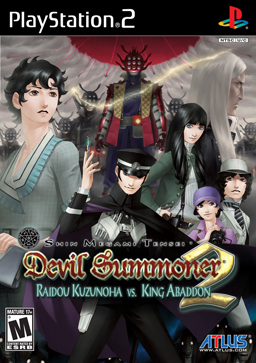
            Look, naming is not as difficult as you might think.  If you're not going to use an already existing series, then think about what your story has involved in it, what you want fans to know about it and the best way to convey that to them in the minimal amount of effort.  Shin Megami Tensei Devil Summoner 2 Raidou Kuzunoha vs King Abbadon?  That's a bit too long.  It gives a lot of information, but really, Devil Summoner 2 would have said all it needed.  You summon demons to fight for you and this is the sequel.  Try to get across a feel for your game with the title as well as certain character details.  For example, the three games from Operation Rainfall: Xenoblade Chronicles, The Last Story, Pandora's Tower.  Think about what those names tell you.  Xenoblade Chronicles.  It's a story that has become something of a legend that has spiritual ties to previous games from the Xeno series and you wield a powerful sword.  The Last Story: This game focuses heavily on story and it is of such importance that it is the last one, meaning the last tale of a dying man, the last tale of a dying world, or the final chapter in someone's life.  This kind of title is beautifully ambiguous, allowing the imagination to sell the game for you.  Finally, Pandora's Tower.  This immediately invokes images of a forbidden tower which you are tasked to explore, drawing parallels to the Greek myth of Pandora's box with the fairy tale implication of towers as places of imprisonment that need to be surmounted by heroes.  All of those titles only use two words but the imagination of gamers sells them on only a premise.  Even a simple, ambiguous title can be pretty effective.  Halo, for example.  Religious warriors?  Death and rebirth?  God?  Halo may be a pretty bland fare, featuring space marines fighting a religious cult of aliens, but the title invokes a number of images in one's mind that the uninitiated might be taken in by.  And the game actually delivers on some of those images, which makes the title appropriate and not just deceptive.
The name is a bit too on the nose...sure it tells us what the game is about, but needs to leave more to the imagination
These game names set the imagination on fire with possibility.  THIS is how naming games should be
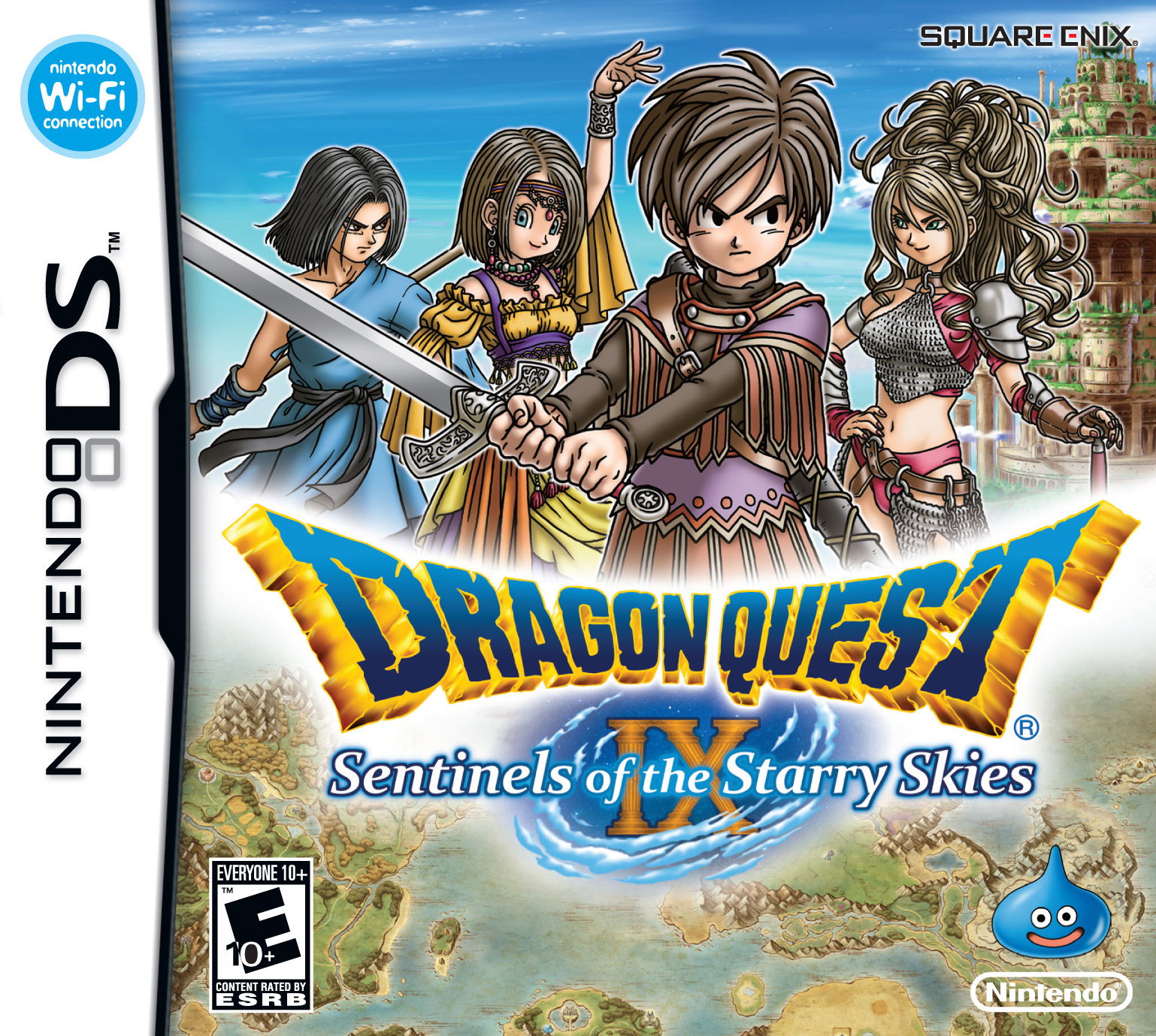
            These kinds of rules go for subtitles to games as well.  Numerous sequelized properties use subtitles to differentiate or whet the appetites of gamers.  Some can be spot on, but with a bit of dramatic flair.  Dragon Quest 5: Hand of the Heavenly Bride.  Immediately we know what we're getting.  A Dragon Quest game and all that entails, but now we know something about the story.  It will prominently feature marriage, perhaps not the player's but marriage in general, it will deal with destiny or heavenly powers, and it will involve the groom of said bride.  Titles like that set the imagination on fire.  Or how about Dead Rising 2: Off the Record.  Again, you know what you're getting.  Zombie killing whacky/serious fun.  But the title indicates that it is non canon, meaning it is a different take on what is already known.  This can easily sell certain players.
Even with established game series, a good subtitle is worth a lot.  Sentinels of the Starry Skies.  That gets me pumped for what's to come.
            My point is this.  Game developers.  Corporations.  Use your brains.  If you're creating a game, think about what the name you want to give it will mean and try to tailor it to so that it captures the imaginations of gamers.  A name of a character or a name of a species...if it doesn't have flair to it, it can be the death knell of a new property.  Don't try to put an already established name on something bland or unrelated.  Gamers will notice and they will be angry.  Do not use a game's name to entice players, then hide the fact that your product is garbage.  This will only erode a gamer's faith in your company and make them less likely to support you.  And finally, don't just slap any old name onto a game.  If a game is a movie license or a sequel, I know that sometimes there's no other option, but for an original IP...every original IP tries to do something with what they've got.  So think about what you're trying to do, the mood, the feelings, the desires you're trying to get across, and incorporate that into your naming.  It will make a difference.

            Gamers, this one also goes out to you.  Recognize what a game's name might mean.  The good ones which set your imagination ablaze and the bland ones which you forget almost as soon as you read them.  And use your resources.  The internet, word of mouth, your own eyes...don't buy into a game just because of a name.  It's fine to take an interest in a game because of the name, but it needs more than just the name supporting it.

            Games industry, put thought into what you name your games.  If it's original, give it something suiting the mood and style of the game.  If it's a sequel, a subtitle that tells us what to expect might be nice.  And if it's bland and uninspired, own up to it at least and try to make it work for you.  Don't use someone else's good name to sell a shoddy product.

            In the end, what's in a name?  Quite a lot, it would seem.