Phew...been a crazy week. Still, I am doing my damndest to keep up with my promise and update at least once a week. I have a full article written from a few weeks ago, polished, and ready for your perusal. Next week, probably another Creator Spotlight. Enjoy.
Let's talk a bit about the games media hype machine and the
general misconceptions of the gaming public.
Now, I know this sounds a bit bland, but...just follow me on this for a
second. I mentioned in my earlier
reflections on the previous console generation that the hype machine is a big
problem. It creates unrealistic
expectations of a game that will almost always be disappointing to gamers
because the reality cannot live up to the hype.
The big problem with this, however, is that it creates misconceptions. You see, too often gamers don't understand
the difference between a solid title that, whether you like it or not, is at
least a game that works, as opposed to a title that is broken on a fundamental
level but which is still looked upon fondly because of the hype machine.
 |
| Yeah, the game's media hype machine promised us this broken pile of excrement would be awesome right up until release...no wonder people were pissed off when it failed so hare. |
Let me
start this discussion by talking about Final Fantasy 4: After Years, for the
Wii. This game is REVILED by the gaming
public. Partially, I think, because of
the hype machine. The game was
advertised on Kotaku and other gaming media outlets as the next great Final
Fantasy game, the sequel to the landmarked Final Fantasy 4. So...was the game great? Well, no, not really. However, that didn't make it an unplayable,
unsaveable, or even a bad game. What was
Final Fantasy 4: After Years? It was a
decent little RPG that was originally developed as a cell phone title. It used the same basic battle system as Final
Fantasy 4, the active time battle system, however it added a few new features
to the mix. There was a combo system
that allowed different characters to work together to create new attacks that
were both unique and allowed for a bit of graphical flair in what was
ostensibly a 16-bit throwback, there was a system with phases of the moon which
affected combat, and there were extra dungeons unique for each character to
play through that relied on their unique abilities to survive. New characters were added to the roster from
the Final Fantasy 4 cast and there was a new take on the story that had begun
in Final Fantasy 4. The game was, by and
large, fully functional and had several interesting features. The story featured the return of Golbez, the
son of Cecil and Rosa, expanded on the mythos
of the crystals, and added a few easter eggs from previous Final Fantasy
games. However, this game is hated by
the Final Fantasy community, by and large.
Declared the worst in the series by many. Worse than FF13. Worse than Final Fantasy Mystic Quest. Worse than Final Fantasy 14 at it's broken
launch. But was it?
 |
| The irony is that for all the shit FF4: After Years gets, if it had been released in 1995, it would have been a mega smash hit and remembered as a classic. |
No. I stand firm and declare that while Final
Fantasy 4: After years did have several flaws, namely that it was a bit too
nostalgic and loved revisiting locations from Final Fantasy 4, it was
originally a cell phone game so was sold piecemeal when first released, and
that the story deviated from the basic tone of the original Final Fantasy 4, it
was not a bad game. The game was, from a
mechanical standpoint, relatively sound.
There were some issues with the delivery of the game, as it was sold in
individual episodes before being collected, but the battle system, the music,
the graphics, everything that made the game "a game" worked and it
worked well. So, argue for whether or
not this is a good game all you want, but don't decry it as the worst game ever,
because like it or not, it is playable.
It certainly isn't Final Fantasy: All the Bravest, which is not only
broken on a mechanical level for the purpose of squeezing money out of gamers
or Final Fantasy 14 at it's initial launch which was nigh on unplayable.
 |
| At least Final Fantasy 4: After Years wasn't THIS. |
This is my
problem with the hype machine. It often
overlooks the nuts and bolts of a game and creates misconceptions in the gaming
community on what is really important.
No matter how much you hype a game, no matter how great it looks, no
matter how awesome it may seem to play, it needs to be solid on a mechanical
level. The hype machine billed Final
Fantasy 4: After Years as the return of one of the greatest Final Fantasy games
of all time. Was that unfair? I'd say so.
However, the game was not ultimately broken or unplayable. Or even all that bad. Now, I'd like to examine another game which
does not receive nearly as much crap as Final Fantasy 4: After Years, but which
I personally was unable to finish specifically because of these mechanical
issues.
 |
| This screenshot doesn't do it justice, but imagine the text about 3 times smaller for me when I was playing Darksiders 2 and you'll understand my anger with broken game mechanics. |
Darksiders
2. Darksiders 2 had a lot to prove at
launch as the original Darksiders, while fun in my opinion, was a bit
derivative of the Legend of Zelda.
Darksiders 2 set out to change that.
There was less brawling and more acrobatics, more free roaming, loot
based drops...not all of this set well with me, however the mechanics in place
still worked. The game wasn't unplayable
or broken or even all that unfun.
However, there is a problem with Darksiders 2. Namely, that there was a problem with the
text size on the screen. On a decent
sized television of say 20-30 inches, the text in the game, from the flavor
text on weapons or items, to descriptions of abilities, to text spoken by
characters, was so tiny that it was nigh unreadable. Now, Darksiders 2 received positive hype,
after all you are playing as one of the four horsemen, Death, however this
aspect was completely overlooked by the games media and by gamers alike. This is a problem on a fundamental mechanical
level. It makes games for someone like
me, who has decent eye sight but a small TV, almost unplayable...I had to fight
the game every step of the way to try and enjoy it. And for a while, I did enjoy it. However, after about ten hours, I was just
fed up with the broken visual mechanics of the game. I put Darksiders 2 down and never looked
back. In my opinion, while solid for the
most part, the game has some broken mechanics.
Apparently, this is only true of the console version, as the PC port
works fine. Nevertheless, it is a flaw
for the PS3 version I played and shouldn't have been ignored by the gaming
press. Dead Rising had similarly tiny
text and even Dark Souls to an extent has small text, though Dark Souls's text
is nowhere near as cripplingly bad as Dead Rising or Darksiders 2. This is a flaw in the game's mechanics,
because it prevents players from actually...well...playing the game. It is a small flaw, mind, but for me it stuck
out in Darksiders 2. For the most part
it is a very fun, mechanically solid game.
However, even fun games, even games we love, need to be recognized for
their flaws. A game's flaws need to be
mentioned and held up by the gaming media rather than being brushed under the
rug, either intentionally or just because of an innocent mistake. Let the individual decide whether or not it's
something they will enjoy, rather than convincing them the game will be
awesome, when it turns out that it might well be unplayable for them.
 |
| Dead Rising and Dead Rising 2. Other fun games with writing two sizes too small. |
This is
something I think gets overlooked too often.
In games that are blatantly flawed on a mechanical level, like Guise of
the Wolf or Ride to Hell, the flaws will be held up for full scrutiny. However, in more popular games, like Saint's
row 4 or Xcom: Enemy Unknown, they tend to get overlooked. Even if the issue is small, that doesn't make
it any less of a flaw. People will
clamber against Ride to Hell's clunky, broken gameplay, but will not say a
thing against Skyrims occasional glitch or bug.
 |
| It's easy to dump on Ride to Hell... |
 |
| But no one wants to point their finger at Skyrim for it's broken mechanics. |
This is
especially true of high profile games, like Legend of Zelda: Skyward
Sword. I freely admit that I have issues
with this game. It has some very fun
moments, impressive graphics, sound design, and some new takes on the classic
Zelda fair. However, it is what I would
call a broken game. Why? Because the controls fail on a basic
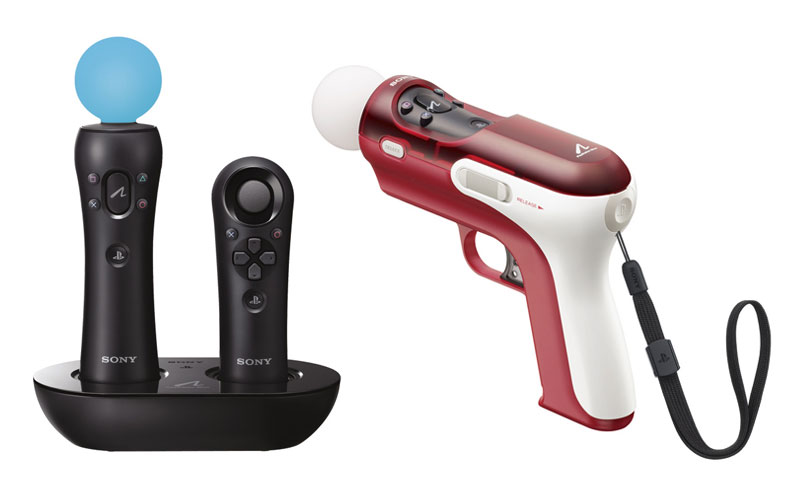
level. The wiimote waggling works for
the most part...however when flying on your bird in the sky sections, the
motion controls are nigh on unplayable...and they're all you've got. On the whole, the motion controls are a major
chore. And in combat, when you are
fighting enemies with a shield, the delay in the controls hurt enjoyment
immensely. You see, while the idea of
being able to strike from different angles to get around the shield is cool, because
of the delay in the motion controls, 99% of the time, you will just hit the
shield and waste your time. This is
especially frustrating when dealing with enemies who have shields, which, if
you hit them, you take damage. I have
issues with the game, even though it does have a lot of fun moments. Is it a good game? Yeah, it is.
However it is also a broken game.
Mechanically, it isn't solid.
It's flawed.
 |
| Get used to this image, because with the broken motion controls, you'll be seeing it alot |
Anyway, let
me conclude with what I believe to be one of the most unfairly maligned game of
the previous console generation. Bioshock
2. This game has been held as one of the
most disappointing sequels of this generation, if not of all console
generations. And really, that's quite
unfair. Looking at Bioshock 2 from a
strictly mechanical perspective, everything works perfectly. The visual style is similar to, but improved
from the previous game. There are no
glitches with it or hang ups that make the mechanics broken or flawed. The music and sound design likewise works
very well, with solid voice acting, a lack of errors on the music or sound
effects, and a consistent tone throughout.
The gameplay is easily the best part of the game, as it is greatly
improved from the original Bioshock, allowing players to wield weapons and
their plasmid powers at the same time, for smoother controls and an overall
improved experience. The game is
solid. It works on a mechanical level
and...generally...it didn't have anything about the gameplay that might lessen
its value other than it was already done once before. The hype machine, however, billed this as the
return to Bioshock as a big daddy. And
there were some interesting design choices, like the option to turn off Vita
chambers for a harder game or an overlay on the screen to make it seem like you
are literally in a diver's helmet as big daddies often are. But what people were expecting, I believe,
was to go into Bioshock 2 as a walking tank, like the big daddies they fought,
and feel powerful, strong, nigh on unstoppable, etc. That wasn't what happened. The gameplay was very similar to Bioshock. It was improved, to be sure, but it wasn't
what the audience was expecting. In my
opinion, this is why the game is so often heralded as a disappointment. Bioshock 2 is not a bad game by any
means. I'd even go so far as to say it's
one of the best shooters of the last generation. However the audience was expecting something
different from Bioshock. They wanted to
be a tank...but instead, they were a man and a father...thus, the
disappointment set in. And no matter how
mechanically sound, people still bash it because of that.
 |
| In spite of how good Bioshock 2 is, both on a mechanical and a storytelling level, people lob hate it at constantly. This is NOT a broken game...it's actually pretty damn awesome. But the hype machine promised something that this game isn't, so... |
While I
heartily disagree with this idea, I too am guilty of it. I hate Legend of Grimrock. I started playing it, enjoyed it, but at some
point, around level 5 or 6, I began to despise the game. Everything from the mechanics to the weak
story bugged me. Now...I don't
necessarily think that's a problem. If a
game is not to your taste, it is fine to dislike it and be verbal about it. I do believe there is too much vitriol in the
world, but others may share your view and want to be warned off a game they may
not like. However, using blanket
statements like "Biggest disappointment of 2012" or what have you is
unfair. Saying "This disappointed
me the most in 2012" is perfectly acceptable, because that just says it's
your disappointment. You own it. It isn't a blanket statement on the quality
of the game, but on your experience of the game. That's something I can get behind.
 |
| I don't like Legend of Grimrock...at all. However, the mechanics work perfectly. It is NOT a broken game. I may not like the mechanics, but for what it is, they work flawlessly. There's a difference between not liking the mechanics and the mechanics just not working. |
Now, I started this discussion
to both hold up games that are mechanically sound, even if I or others don't
like them, while bashing games which are heralded as great but which are
mechanically broken. A failure of
mechanics is the biggest indicator of a flawed or terrible game and I would
like people to recognize it as an issue.
For starters, don't be lured in by the hype machine. Don't overlook mechanical issues just because
you like a game and by that same token, recognize that even if you hate a game,
it can still be mechanically sound. I
freely admit to hating Legend of Grimrock.
However, I'm not the desired audience.
While I think the mechanics are clunky at times, they aren't
broken. They still work on all
levels. It is a solid game. I don't like it, but I recognize that I'm not
necessarily the audience. Skyward Sword,
however, I really wanted to enjoy...but I don't feel bad bashing it because it
fought me every step of the way with it's broken motion controls
 |
| I may not like Xenoblade Chronicles, but I can't say it's a broken game. The mechanics work as intended, even if I hate them. |
The best
thing that gamers can do is be aware of the hype machine and not buy into
it. Not be taken in by all the supposed
features or ways the game is supposed to be and instead see it for what it is
and whether they like it or not rather than whether it is arbitrarily good or
bad, a disappointment or a classic, etc. then I think the game industry and
media as a whole will be better for it.
Recognize the game for its mechanics.
Or failure thereof. A solid game
may not necessarily be a good game, but it is still playable, at least. A broken game, however, no matter how great
the graphics, how strong the license, or how nostalgic the subject matter, is
going to fight you and hinder your enjoyment every step of the way. Recognize that. If you can get over it, great, but still
recognize that the problem is there.
Functional
does not make it good, however being good does not excuse a lack of
functionality.