Anyway, enough complaining. This week, we examine Final Fantasy 5. It takes a little of the old, a little of the new, and makes an experience that, at the time, was wholly unique and utterly unforgettable. Give it a look and see what makes this game so special.
Showing posts with label Final Fantasy 5. Show all posts
Showing posts with label Final Fantasy 5. Show all posts
Saturday, November 22, 2014
History of Final Fantasy: Final Fantasy 5
Anyway, enough complaining. This week, we examine Final Fantasy 5. It takes a little of the old, a little of the new, and makes an experience that, at the time, was wholly unique and utterly unforgettable. Give it a look and see what makes this game so special.

Saturday, April 5, 2014
Mind Games: The Good and the Bad of Psychological Warfare in Gaming
Okay, so
last week, while I was writing up my discussion on the goods, bads, and
confusing elements of Dark Souls 2, I touched a little bit on my belief that
the game was actually trying to engage in some psychological warfare. I intend to go into that here, because, for
what the game is trying to do, I think this type of mind game is actually
pretty amazing. Before we do, though,
there are probably a few questions people might have about psychological
warfare with games that need to be addressed first.
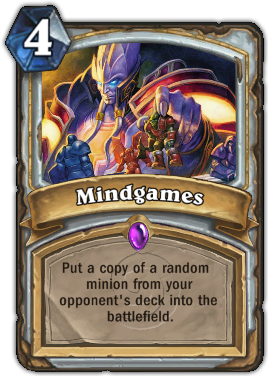 |
| Yep, we're gonna be talkin about you today, Hearthstone...you and your MIIIIIIIND GAMEEEEESSSS |
Psychological
warfare in a video game does not mean a psychological thriller, necessarily,
like Silent Hill 2. While there can be
elements of psych warfare in that type of game, Silent Hill 2 and many games
with a psychological bend are more interested on looking at the character
they've given to the player and exploring their development in a nonlinear
manner, showing their strengths, weaknesses, and growth through their actions
and the world around them. No, when I
talk psych warfare, I am referring to when games perform something that does
not affect story or the world they are in, but which elicit a particular
response from a player that is contrary to what they know or believe the way
things should be done.
 |
| Psychological thrillers and psychological torment is not the same as psychological warfare. |
Free to
play games are probably the ones people might know best for psych warfare. Free to play games operate under the idea
that, a player goes into the game knowing full well that they DO NOT want to
pay for it. They want to get the maximum
enjoyment out of the game as possible without having to spend a dime. However, the way the game is built, it makes
the game easier and ultimately more enjoyable if you will actually pay. The game gives you the option to do what you
believe is correct, but ultimately is trying to drive you towards something you
don't want to do. Hearthstone is a good
example of this because it is subtle...it's not in your face about it. It puts a 100 gold win cap per day on
individual players, so they can't win more than 100 gold from matches per day,
and gives them quests every day to win gold, which they can use to buy new
cards or participate in the game's arena mode, for free. However, 100 gold a day buys you one, count
them, ONE pack of cards. The Hearthstone
store allows you to buy up to 40 at once...provided you are willing to pay real
world money. So, for a starting out
player, who gets trounced by the guys wielding expensive cards...this is a real
temptation. It defines pay to win and
wants to goad the players into spending, even though in their mind, they know
that's not what they want to do. This is
psychological warfare. It is trying to
elicit an action from players contrary to what they might do in normal
circumstances. It aims to mess with your
mind.
 |
| Behold the Hearthstone Store. Funny how all the boosters above one cost real world money, huh? |
Now, free
to play games are inherently at war with a player and that is our choice, if we
agree to play them. I deal with
Hearthstone's frustrations and the psychological warfare because I like it and
that is my choice. However, like any
great power, psych warfare can be easily abused. Jim Sterling coined the term "fee to
play" where a player pays a fee to buy a game, sometimes as much as 60
dollars, and then have the option of performing microtransactions and paying
the game to give them more content that is behind a pay wall right off the bat. This style of game tends to harass players
into spending money rather than giving them the option. It can never force them to, but it teases
them, while still requiring them to pay, and this type of psychological warfare
is pretty devious, because it tries to squeeze as much money from a single
player as possible without enhancing the experience. In truth, fee to play games are the worst
kind of psych warfare because while free to play allow a richer experience if
you are willing to put down a little money, fee to play negates much of your
hard work, because you are paying to make a game you've already paid for easier
and shorter.
 |
| Paying to make a game that you've already paid for easier and shorter...just seems kinda counter intuitive, doesn't it? Or is that just me? |
With that
outline on the basics and the negatives of how psych warfare works in gaming,
let me move onto the meat of this discussion.
How psych warfare in a video game can actually be used to enhance the
experience. I'll start with a baseline
example, then move into Dark Souls 2, as I think it's pretty amazing what
they've done there.
I find that
most old school JRPGs invoke just a little bit of psych warfare, so let's start
with them. Final Fantasy 5 has an area
called Gil Turtle's cave, where you fight an INSANELY tough monster called Gil Turtle
every few steps in a long, straight, one square corridor that there's no way to
go around. Now, you don't have to do
this. The area is completely
optional. However, what's interesting
about it is that the game keeps the camera pulled just far enough back that you
can't see the end of the corridor from the overhead view. You don't know if there's treasure in there,
or if there's nothing at all. However,
there's this compulsion to know, since this cave is right next to one of the
big cities we've been using as a base for the last few hours. More than that, in JRPGs there's this knowledge
that if you fight a boss, you will ultimately get a powerful reward. So, players might waste time dying against
the Gil Turtle monster or spend a lot of money trying to get equipment specially
made to beat it or devote time to leveling up skills they think might
help. Even though in the back of their
mind, they know they ought to either move on and come back later, or just
ignore it, since they're not strong enough or what have you. The game teases you with possibilities of
what is hidden and so we persevere and find...nothing but money. And not even that much money to begin
with. Frustrating, perhaps, but we did
this to ourselves. Final Fantasy 5
goaded us into the cave and into fighting Gil Turtle, sometimes as many as a dozen
times for the very unlucky, just for money, but we're ultimately the ones who
gave into it. However, let's look at
this from the other perspective. I just
gave you an example of how good psych warfare makes a game frustrating, but
from a separate perspective, it can also force players to get better and start
thinking more strategically. For
example, some players discovered that Gil Turtle was an undead and took damage
from the bard spell requiem and holy magic, making the battle much easier if
you have those who can cast it. Also it
was discovered that Gil Turtle largely uses physical attacks, so if you have a
knight protecting players, or a spell that gives them evasion, it's doable
without much risk. However, no matter
which perspective you take, you have to admit that your experience was
drastically changed by the game's use of psych warfare. Maybe it made you a better player, maybe it
gave you a feeling of accomplishment for beating a hard boss...maybe it just
taught you not to be so obsessed with treasure that you risk your own
life...either way, it created a unique experience for you.
 |
| Get used to this screen...it's gonna happen A LOT. |
That, I
believe is the power of psychological warfare in gaming. It can alter how we decide to play games and
give us a unique experience. Heroes of
Might and Magic does this in a very simplistic way, putting a large stack of
enemies in between a player and great riches.
They know they probably won't beat the enemies at their current level,
so they focus on building an army to get the riches...only to have their
opponents take them apart because they were focusing on the monsters guarding
the treasure instead of their true enemies.
It's a way of messing with the player, and possibly teaching them a few
harsh lessons. Either way, it alters the
way we play games based on our own weaknesses as humans(greed makes us want
treasure, curiosity makes us explore areas we shouldn't just yet, impatience
makes us play sloppy, etc.) and ultimately changes how we experience a game.
 |
| That demon is guarding sooo much treasure...if only I had a dimension door... |
Now, I want
everyone to understand that what I am about to say is purely speculation on the
part of Dark Souls 2. I don't know if
this is the case, but I believe it to be so based on the game design. Alright.
Now, in Dark Souls 2, you have a hub town. This is where you level up, this is where you
strengthen your recovery items, this is where you upgrade and buy items and
weapons, this is where you are safe.
Problem. You have to warp back to
it for any of this, and that takes you out of combat, breaks the flow of the
game, and puts you behind a loading screen.
I heard many players during the beta talking about how it was an issue
for them. About how the original Dark
Souls allowed them to repair items at a bonfire, level up at a bonfire, improve
recovery items at a bonfire, all taking only a minute or so and just like that,
they were back in combat. This new
system seemed frustrating and baffling and I felt the same way...at first. However, I realized after several painful
deaths involving the loss of over a hundred thousand souls(the in game currency
and experience points), that the game was messing with me. You see, all those benefits to the hub
town? They're supposed to be
inconvenient to get back to. Not so
inconvenient as to make the game frustrating, but juuuuuuussssttttt
inconvenient enough that you don't want to go back to them from the middle of
battle, even though you KNOW you should.
This is where the psychological warfare comes in.
 |
| Quaint little town, isn't it...it's a trick! |
In the
original Dark Souls, one of the rules of gameplay was to spend your souls as
soon as you got them, level up often, never wait, because death was right
around the corner. However, that mantra
changes a little bit when you're taken out of combat and put behind load
screens, short as they may be, because it's no longer easy to spend souls
quickly and efficiently. You have to warp back to your home town of
Majula, talk to the Emerald Herald NPC, talk to others to see if they have new
wares in or to fix items, it completely takes you out of the "YEAH, I AM
KICKING ASS" mentality for players doing well or the "MUST GET SOULS BACK/MUST
GET REVENGE" mentality of players doing poorly. And most players don't want to lose that
mentality. They're having fun, so they
don't want to stop, even though, in their mind, they know they really should,
because they're carrying a lot of souls they could use to level up or
buy/improve items. And this...this is
where the game gets diabolical. I
believe that the hub town and the NPC who you have to level up with were all
intentional. The developers were trying
to wage psychological war with players to try and get them to act recklessly,
because everything in Dark Souls 2 is surmountable if you are careful or if
you're open to experimentation. However,
neither of those is conducive to the fast pace of an action game or the
impatience of many players. So, they get
sloppy and die. And when they die, they
lose A LOT of souls. Why? Because it was just a little too inconvenient
to go back to Majula and spend them.
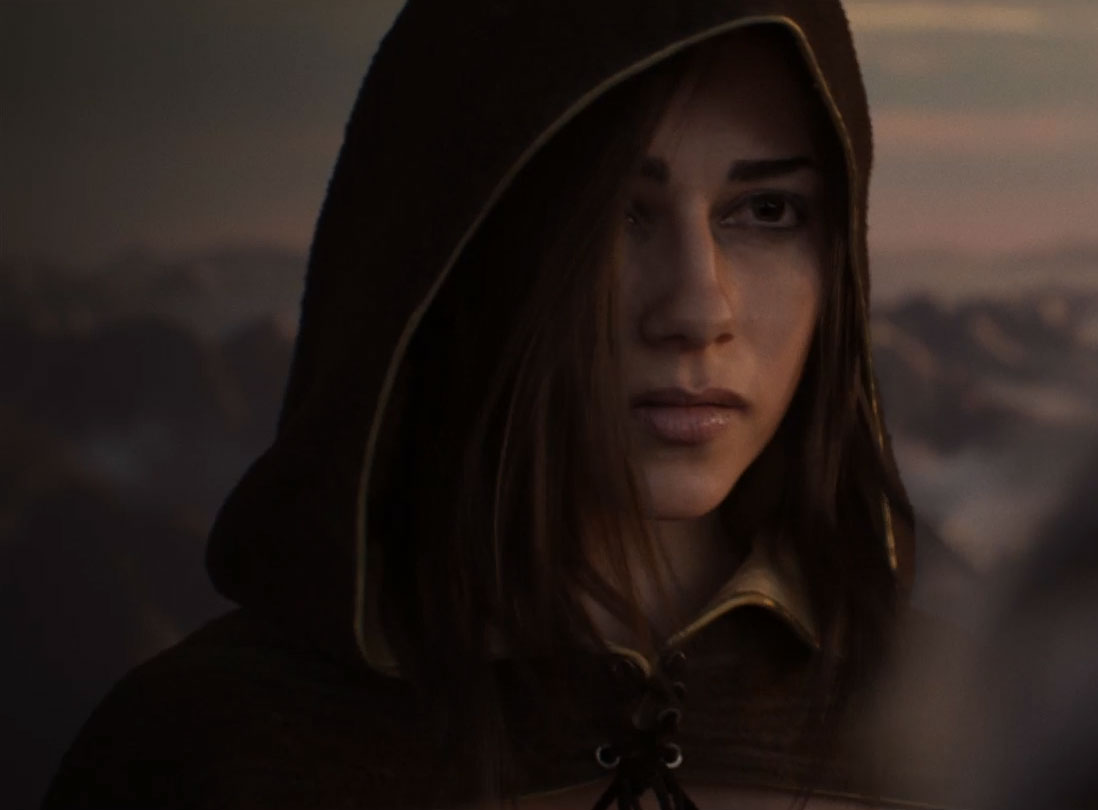 |
| You'll stay by our side until hope withers, eh? We shouldn't take your words lightly, Emerald Herald. |
In many
ways, this is a better difficulty scaler than anything. You see, the game is only hard if you're
reckless. If you don't spend souls as
soon as you know you have enough.
Because you'll lose them. Samuel
Vimes in Terry Pratchet's "Night Watch" once said, "I have to
get lucky all the time. They only have
to get lucky once," in regards to people trying to assassinate him. The same mentality applies here. You have to keep being lucky, because no
matter how skilled a player, eventually there will be a mistake. The enemies only have to get lucky once...and
that's devious, because it lets you know the status quo...that all your assets
are in this hub town...but then encourages you to ignore it at your own peril.
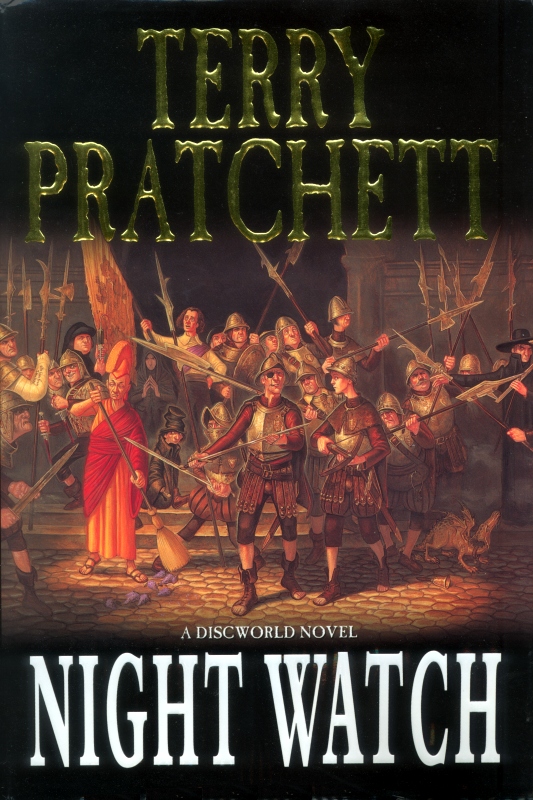 |
| You're wise beyond your years, Sir Samuel. |
Even the
rewards for the game encourage this to an extent that is rather shocking. There are two items in Dark Souls 2 that are
based around this same principal of making the players go against what they
know is proper. Illusory Ring of the
Conqueror is awarded to players who beat the game without dying. Illusory Ring of the Exalted is awarded to
players who beat the game without using a bonfire. Now, dying to experiment with different play
styles or strategies and using the bonfire to heal and warp are cornerstones of
Dark Souls 2...and encouraging players to get these rings by ignoring them is
playing a bit of mind games with them.
You can only get these rings if you go against the game design and
against convenience, as the inability to use a bonfire, for example, means you
cannot warp or repair items and have to walk everywhere and deal with broken
weapons at a regular basis. It also
means you cannot easily get rid of your souls via leveling up. Yet, the game encourages players to try
this...it is setting them up for failure, but it is a failure that they
themselves could easily stop if they just did what they knew was the right
choice. And these rings? They only make the item you're holding in
each hand invisible. Useful for PvP
perhaps, but hardly worth the effort.
Yet some players are already working towards them. This is what leads me to believe the game is
messing with players. It is more
difficult than the original Dark Souls, but only if you let it get to you. Let it get into your head and ignore the
warnings. This is psychological warfare.
 |
| I hope the ring was worth all the psychological warfare you subjected yourself to. |
Now, there
are plenty of examples of varying degrees of psych warfare at play in the games
industry. I've only scratched the
surface. There are plenty of ways to
mess with someone's mind. Conditioning,
for example. In Pandora's Tower, you
grow closer to Elena because the game conditions you to, with the relationship
meter and the fact that she will do things for the player if they talk with
her. She can improve your items, give
you buffs or healing tools, or many other things. However, if you just want to play the game,
she's a bit of a barrier, as you need to talk with her regularly...however the
game is trying to convince you she is not a barrier and condition you to like
her. This happens, A LOT with
games. Some do it well, and I do believe
Pandora's Tower does it well, others, like Final Fantasy 13, do it poorly and
just make the character an annoying anchor around your neck. However, ultimately, that brings me to an
interesting question I asked myself while playing Dark Souls 2. Is psychological warfare in a game beneficial
to the player? Is it "good?"
 |
| What can I say? I'm a softie for Elena... |
Now, that's
not an easy question to answer. Some of
it is clearly ripe for abuse, such as in free to play games. Dungeon Keeper on mobile platforms abuses
it's psychological warfare to try and bully, harass, and goad the players into
spending real world money. The NPC guide
of Dungeon Keeper mobile actually says, "Who says money can't buy
time?" Now, with this level of
abuse, especially in the fee to play games that Jim Sterling has outlined like
Dead Space 3, psychological warfare is a bad thing. It is meant to squeeze money out of
players. It does not serve the game, it
serves the publisher. In this case, I'd
say psychological warfare is something to be wary of and try to be aware of as
soon as possible and avoid.
 |
| This is psychological warfare in gaming at its absolute worst. Manipulating the players for the profit of the publisher. |
Along that
same note, I want to say that I consider psychological warfare to be completely
different from brain washing. Many
games, some with political messages, some with ideological messages, or what
have you, will try to brainwash its players into thinking a certain way. This isn't warfare, it is programming...and
that's just despicable, in my opinion.
Good players will agree or disagree or make their own decisions about
how a game's views and agendas play out.
You can like or dislike the extreme racist views of Columbia in Bioshock Infinite because it
doesn't necessarily play them out as good or bad, just a product of the
times. However a game made specifically
to convince a player that their beliefs are wrong or invalid and that the
beliefs of the game designer are right and thusly they need to change how they
think? That's not a game. That's a piece of trash. Most of the time, you don't see games like
this sold commercially, because no one will pay money to be talked down to and
have their beliefs belittled, but it is something to keep in mind for certain
freeware games or for game design in the future.
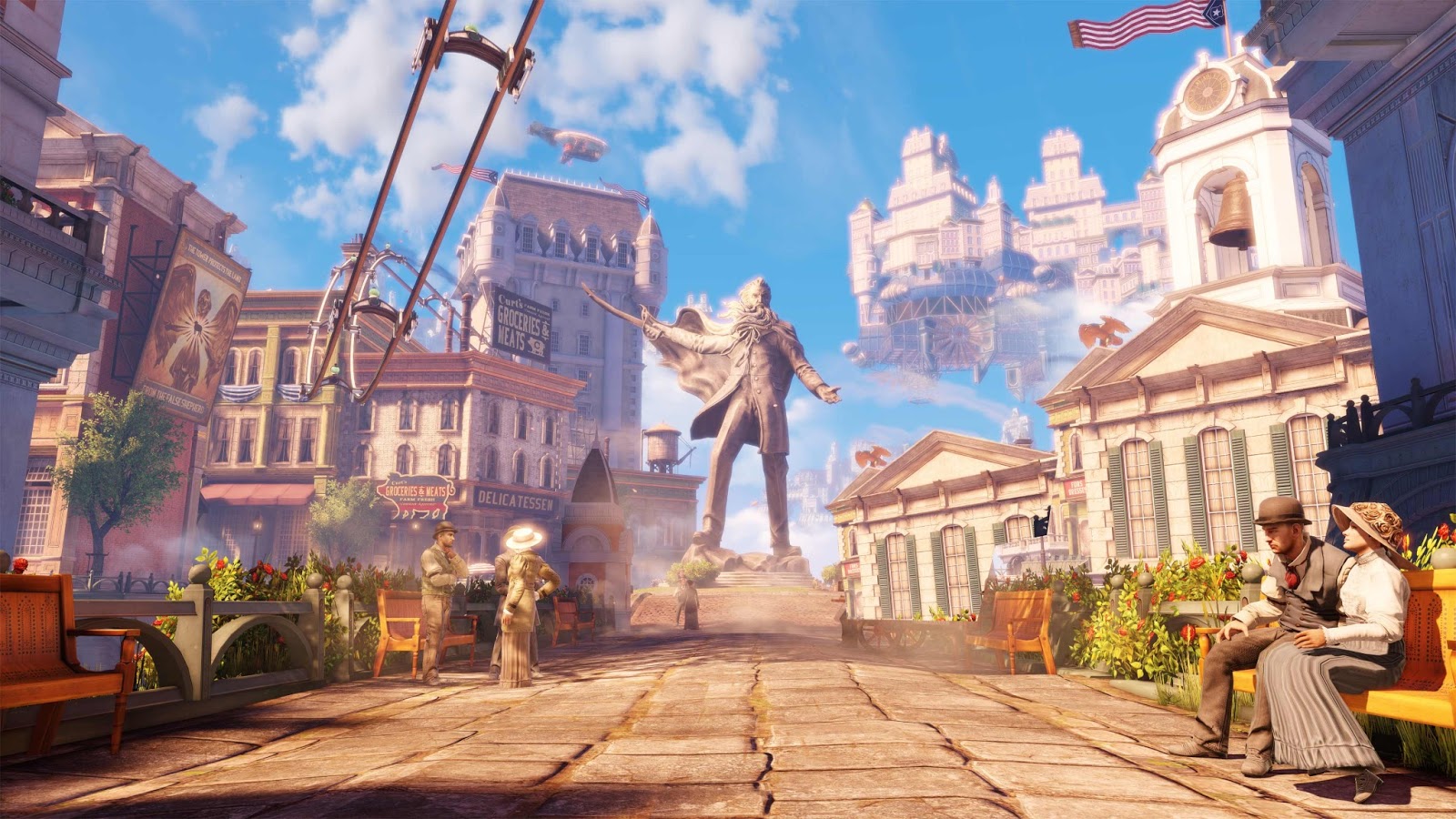 |
| Racist and insane as it may be, at least Columbia isn't trying to brainwash you into believing it's right...or if it is, it's doing a damn crappy job of it. |
HOWEVER...when
a game doesn't try to brainwash or belittle a player? When it doesn't have microtransactions? When it is actively trying to make the player
experience the world in a different way?
I actually think these types of mind games enhance the titles more than
hinder them. I freely admit to allowing
myself to be taken in by the conditioning of Pandora's Tower and really growing
attached to Elena and...that made the game better for me. Playing Final Fantasy 5 and getting stuck in
Gil Turtle's cave actually gave me some perspective onto how brutal some of the
secret bosses could be and helped me work through strategies on how best to
defeat other secret bosses, like Omega and Shinryu, which I did. And in Dark Souls 2...I have to admit, it
made me be a bit more aware of my actions.
I knew that the risk I was taking was stupid, sometimes, but it enhanced
the thrill of the game when I did it...and it also made me feel smart when I
chose not to, spent my souls in Majula, and died moments after going back to
battle. It taught me how to better play
the game.
 |
| I praise the sun for this victory! |
Thing is,
it takes work to put psychological warfare into a video game without
microtransactions. It takes work to
design Gilgame's cave to make it so difficult to pass through but so easy to
avoid. It takes work to try and
condition players to like characters, even if it fails, like with Vanille in
Final Fantasy 13. It took work to make
Dark Souls 2 function the way it does, with an NPC to level you up and a hub
town behind a loading screen to spend your souls at. And why do all this work if not for the
benefit of the players and the experience?
I know that some people might get a little iffy about being played or having
their mind messed with, but in most games, psychological warfare is actually
meant to enhance the experience.
Recognizing it actually kind of changes the game too, because you can
choose to be taken in by it or to play it without being messed with, further
enhancing a game's replayability or it's value.
Psychological
warfare in games isn't meant to program you to think a certain way, even though
conditioning can make you look at characters more fondly...the point of it is
to enhance the experience for the player so that they will buy the sequel or
recommend the game to others. If a game
tries to overstep that bound and doesn't serve the player, that's when we have
a problem. That's why I have such
disdain for games like Dungeon Keeper mobile or other fee to play games. Because they don't want to enhance the game
for the player...they are there to serve the publisher or some other party.
Let me
close out by saying that you don't need to recognize psych warfare to enjoy a
game or to be swayed by it into playing it differently. In fact, if done well, it should be very hard
to recognize indeed. However, it is a
very interesting little look at how some game designers go out of their way to
make a game better by trying to understand how a player will think and then
work against them or with them(in some cases) to try and make the experience
more unique and fulfilling.
Thursday, April 25, 2013
Where Did Final Fantasy Go Wrong? A Fan's Analysis
Well, this is going to get a few people angry. Anyway, this discussion came about because recently
I've been replaying Final Fantasy 5, which is a criminally overlooked part of
the series. It, along with other older
Final Fantasys and certain games from yesteryear, are a breath of fresh air
compared to the modern industry.
However, the thought occurs to me that we could face a very real
possibility of a FINAL Final Fantasy.
Square has abused the franchise to a surprising degree, milking it for
all its worth while overlooking what made it great to begin with. More worrying is that other companies, good
companies with strong games and smart designers, seem to be following their
example, hoping for similar sales numbers.
Level-5, for example, maker of excellent action RPGs on the PS2 such as
Dark Cloud, Dark Cloud 2, and Rogue Galaxy, recently released the incredibly
frustrating, poorly controlled, and much delayed White Knight Chronicles games and
the beautiful, but flawed, Ni No Kuni.
They're ignoring some of the same aspects of game design that Square is,
and with disastrous results, at least from this fan's perspective. During the PS2 era, Level-5 was a name I trusted. I would pre-order any game with their
label. Now, I dismissively wave them
aside, because they've lost my trust.
Same with Square. So, to see how
we got here, I want to examine where Final Fantasy went wrong.
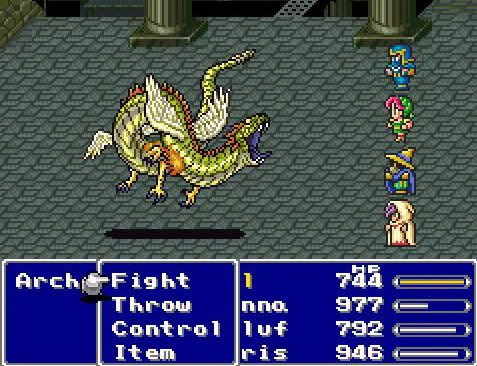 |
| A reminder of times gone by. The glory days of Final Fantasy are long gone. |
Before we
discuss where Final Fantasy went wrong, though, we need to outline what made it
such a seminal series for RPG fans. This
can be broken down into four main categories.
Graphics, Music and Sound, Game design, and Storytelling. These four aspects of the game series are
what enraptured fans. First, let's
examine why that was the case, then, we'll examine how Square dropped the ball.
Graphics: Final Fantasy has always
focused on graphical fidelity to a degree.
Even during its time on the NES, it tried to be a powerhouse of graphical
design, using complex sprites, a varied color palette, locations that were
relatively unique at the time, and a style distinctive from other games of
similar design, like Dragon Quest or Phantasy Star. As the series gained steam and moved on to
the SNES, this not only meant crisper, more detailed graphics, but an
improvement in how they were used.
Character sprites could now emote to a huge degree, showing shock,
concern, anger, disgust, etc. Mode 7 was
also a popular feature for giving certain sections, like traveling via airship
or on chocobo in Final Fantasy 6 a distinctive feel. The graphics served a purpose of not only
making the game prettier, but also of making it more unique and distinctive and
allowing the characters to connect to the player on a visual as well as
narrative level. There was a lot more,
"Showing" instead of "Telling." When Final Fantasy came to the Playstation,
there were some graphical hiccups, with the blocky style of Final Fantasy
7. However, it still offered, at the time,
gorgeous cut scenes, a distinctive style which, love it or hate it, has not
been replicated since, and a more varied range of movement for characters. They could wield weapons outside of combat,
stand awkwardly, slump in place, etc.
There were a range of emotions that could be told through body
language. And this trend continued
through Final Fantasy 8 and 9. The
graphic styles were distinctive, the cut scenes beautiful, and the characters
emotive.
 |
| From the very beginning, Final Fantasy featured colorful worlds that pushed the limits of its platform |
Final
Fantasy 10 is where I argue that the series started to get lazy. I did still greatly enjoy Final Fantasy 10,
however with the advent of voice actors, emoting became less important, and so
the voices, which could often be quite annoying, became more apparent as
opposed to how character models could be used.
That aside, the graphics were still quite good and allowed a much more
interesting array of monsters and summoned beasts to be called upon. This is true through Final Fantasy 11 and 12,
which each had distinct styles and graphics which were quite pleasing to the
eye. Cut to Final Fantasy 13 and its
sequels. The graphics here plateaued, in
my opinion. They were as gorgeous as they
could probably ever be and didn't really need improvement. The character models are painstakingly
detailed, the environments crisp, and even the style of monsters was varied
too, giving them a more mechanized look, even if far too many enemies were just
soldiers in drab uniforms. However, I
personally believe that the characters lost much of their ability to emote due
to the game's over abundance of cut scenes, which basically plopped a
pre-rendered mess into the game at certain points, but graphically, there
shouldn't be that many complaints for the game.
From a purely aesthetic standpoint, Final Fantasy started out attracting
players with a more graphically engaging RPG experience on the NES and this
trend continues to the present day.
Square does, if nothing else, create beautiful graphics. However, they have reached a plateau where
they may not be able to wow us with graphical design any more and will need to
find a new way to attract players, either through interesting graphical styles,
like Final Fantasy 9 or 10, or by allowing the characters a wider range of
expression. Not just facial expression,
but full body expression.
 |
| Even if body language has fallen by the wayside, Final Fantasy remains a gorgeous series with graphics that never fail to impress. |
Music and Sound: Music from the Final Fantasy series is
iconic. It is soul stirring. Hundreds of thousands if not millions of
people have been brought to tears by themes like the "Aria di Mezzo Carattere"
from Final Fantasy 6 or "Eyes on Me" from Final Fantasy 8. And this has warranted dozens of full
symphonic tours. If graphics were the
body of the series, music was the soul.
It moved players and that is one reason the older games are remembered
so fondly, even though their music was limited by the hardware of the time
period.
 |
| This music was burned into my brain from childhood. I replayed Final Fantasy 6 at least a dozen times just to linger on this sequence and this score. |
I do not
believe, personally, that any one series should be defined or held up by a
single person. Games are built by teams,
after all. However, Nobuo Uematsu, the
composer for Final Fantasy 1-11 deserves personal mention. While the series has been helmed largely by
Hironobu Sakaguchi, most often uses Yoshitaka Amano or Tetsuya Nomura for
graphical design, and has had a slew of other directors, animators, etc. Uematsu was an integral part of the
series. Music from Final Fantasy 1-11
ran the gambit of light hearted and fun, to heartbreakingly tragic, to almost
scary. The music appealed to gamers on
an emotional level and kept them gripped from beginning to end. And, as the series moved from NES to SNES to
Playstation, the music improved, as the sound chips and tools available to
Uematsu improved. Even now, he is
recognized as one of, if not the, greatest video game composer of all times.
 |
| This man was the soul of Final Fantasy and his departure from Square crippled the series. |
And when
Uematsu left Square, Final Fantasy lost its soul. Square still owned many of the popular themes
Uematsu created, such as "Victory Fanfare," "Mambo De Chocobo,"
"Prelude," and "Final Fantasy." However, Square took to retooling or just
ignoring these themes after Uematsu's departure, with few of them used in FF 12
and none, save for the Chocobo theme used in FF 13. And that theme is so bastardized it's barely
recognizable. I will not say that the
music got significantly worse after Uematsu stopped composing for Square,
however it never stirred or gripped players like it used to. It was passable, competent even, however the
music lacked the soul and emotion Uematsu gave it. Instead, Square has chosen to use more modern
pop themes, the most used theme from Final Fantasy 13 being "My Hands" by Leona Lewis, an X-factor contestant. Nevertheless, these themes COULD have held a place in the series if paired with
Uematsu's music as a nice counterpoint, however as it stands, they feel like
crass replacements. Musically, Final
Fantasy has become boring. And if Square
ever wants to recapture the previous soul, they either need to contract Mr.
Uematsu to compose for them again, since he is now an independent composer,
find someone who can create similarly evocative music, such as Yoko Shimomura
or Akira Yamaoka, or stick with themes they already posses. Final Fantasy will not get better if they
ONLY use old music composed by Uematsu, but it may at least slow the
degradation. However, musically, it
can't get much worse. Bland is even
worse than offensive at times in video games because it is forgettable. At least offensive music sticks with
you.
 |
| I cut Final Fantasy X-2 a fair bit of slack, but that was a one off. We didn't need pop music or bland themes in every game thereafter. |
Game Design: Here we come to the key part of Final
Fantasy. Game Design. The series is well known for starting off
using turn based combat, then an active time battle system, and after many
tweaks, a system not unlike those of MMOs.
Looking back at the original turn based combat, it was very stiff. Battles progressed slowly, but that was
because each character needed to be assigned a move, then perform it, then
enemies did the same. The active time
battle system improved on this by speeding up combat. Enemies and players could now have their
turns intersect and whoever was fastest got to move first. It allowed a great deal more excitement and
tension in combat. Then the shift to an
MMO style took control away from all but one character, while still retaining
the basic features of the active time battle system.
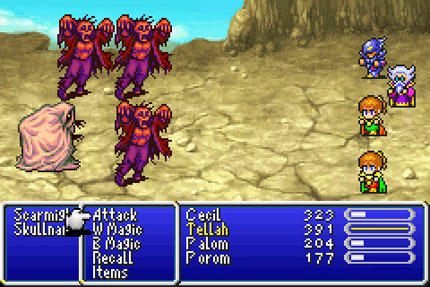 |
| Say hello to the Active Time Battle System, staple of the good Final Fantasy games from 4-10. |
Ignoring
combat for a moment, game design also had a great deal to do with how players
experienced Final Fantasy. Starting out
on an overworld which allowed for non-linear exploration, players were given a
path, told to follow, but allowed to deviate to find hidden treasures, new
monsters, or just goof off and play with their abilities. There were distinctive divides between overworld
exploration, town based exploration, and dungeons. Dungeons were dangerous and had plenty of
enemies, but also lots of treasure.
Towns offered players a chance to buy items, hear rumors from NPCs and
become immersed in the world. Overworld
exploration was the bridge between these two segments, giving the player the
feeling that they could control where they moved not just in towns or dungeons,
but everywhere. This general structure
would remain consistent with the series from Final Fantasy 1-10. However, after Final Fantasy 10, the series
tried to wean players off these features.
Final Fantasy 11 only gave players one character to control while still
allowing them to have a non-linear world and job system to explore and play
with. Final Fantasy 12 still only had
players controlling one character and made the game more linear, but the world
was large, interconnected, and had branching paths which led to hidden
secrets. Final Fantasy 13 only had
players control one character through a linear 60 hour hallway. Even when the game supposedly opened up for
exploration, there was very little in the way of secrets, hidden treasures, or
anything really interesting to find.
 |
| The MMO style of gameplay was not a good fit for Final Fantasy. It robbed us of our freedom. |
What I want
to make clear, however, is that linear exploration and changes to combat are
not, in my opinion, what hurt Final Fantasy design wise. The series has always been ready to explore
and experiment with different styles of gameplay. What irked me most was the general lack of
control players had after Final Fantasy 10.
Control is what Square took away from players since Final Fantasy 11 and
the series has never been the same.
Players controlled between 3 and 5 characters at a time before Final
Fantasy 11, were given free range to explore wherever they wanted, and a wealth
of other options were made available to them, from weapons and armor, to
spells, summons, and personal abilities.
Final Fantasy 11 reduced the game so that each player controlled only
one character. To a degree, this made
sense, as it was an MMO and the job system and constantly changing world
allowed players to explore and experiment without the game getting stale. However, Final Fantasy 12, which was not an
MMO, also only gave control of one character to players, even though a party
could have three characters and a guest.
The characters not in use by the player were AI controlled and had to be
given orders beforehand using a series of logic loops called gambits. While frustrating, at least these gambits gave
players some semblance of control and Final Fantasy 12 had secrets to be found,
like hidden summons, dungeons to revisit, bounties to hunt, etc. Final Fantasy 13, however, was the nail in
the coffin. Only one character out of
three could be directly controlled. The
others were handled by the computer.
While there is an illusion of choice, as you can select individual
commands in battle, the computer is smart enough that if you hit auto battle,
it will basically do what is necessary to win/survive. There is some control in party layout, as
each character has a few "jobs" with different abilities, however it
all comes down to auto battle in the end.
Worse, players are given a 60 hour linear hallway to explore, with no
secrets, no branching pathways, no towns, nothing that is not scripted. It is like playing a 60 hour movie. There were some attempts to restore control,
like when players are allowed to explore for the first time some 40 hours in,
but by then it was too late. Gamers had
already resigned themselves to the hallway.
Final Fantasy 13-2 seemed to understand this to a degree, and there are
more places to explore nonlinearly, but the game still only allows control of
one character at a time.
 |
| Here's a typical map from Final Fantasy 13. A long hallway, with no branching paths, no exploration, no control. This hallway was the nail in Final Fantasy 13's coffin. |
Final
Fantasy was, at its core, a role playing experience and control is the heart of
that experience. You have to role
play. To feel like these characters are
under your control and so their fates and yours are intertwined. When you explore, they discover and when you
make a mistake, they suffer. Removing
control essentially removes all elements of role playing from Final
Fantasy. A ROLE PLAYING GAME. In previous iterations, job classes which
players could customize to their taste were available. Summons could be swapped, mixed,
matched. Skills could be learned and
experimented with. In Final Fantasy 10,
the most enjoyable addition to the series was the ability to CONTROL summoned
beasts, as well as swap out party members mid fight. The level of control was staggering and it
made players invested in seeing these characters succeed. But, if control is removed and a computer can
do the job of the player...why do we even need to play the game? Where is the tension? Where is the investment? This is, in my opinion, the biggest misstep
of the Final Fantasy series. But not the
last.
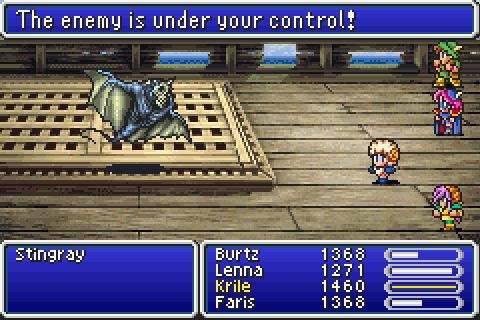 |
| When it comes down to game design, control is the name of the game. |
Storytelling: Storytelling is a prickly issue for Final
Fantasy. Despite how beloved the games'
characters, stories, and twists are, they are also rather silly. Nothing is too out there for Final Fantasy
games, which frequently included steampunk elements, alien invasions, cloning,
time distortion, dimensional travel, crossdressing, gods fighting mortals,
etc. I believe that one of the reasons
people find the stories so enjoyable is because they were paced well, kept a
decent mix between high tension and comedy relief, and offered a different
story each time from what was expected.
True, many of the stories in Final Fantasy boil down to "Kill the
evil wizard/swordsman/whatever" but the tweaks and twists added kept it
interesting. We dealt with something we
knew, but in a manner that was wholly original to us. How do you spice up a kill the evil wizard
plot? Throw him into the past so he can
absorb ancient monsters to become a god and create a time loop.
 |
| Time Travel. A sure-fire cure for boredom in a kill the evil wizard plot. |
Personally,
I believe that the stories started to degrade in quality when voice acting was
introduced. It created a disconnect
between player and character where if you didn't like a character's voice, that
was too bad, you were stuck with it. And
while a player's imagination could fill in the gaps for a bad joke or an
emotional moment in the previous games, from Final Fantasy 10 onwards, that job
fell to the voice actors, and if they flubbed a line or made something awkward,
that was how the story was. There was no
wiggle room. As the games continued,
voice acting was not the only problem.
Scripts generally became less coherent and focused more on melodrama
rather than on actually telling a story that made sense and held together. Worst of all, however, it would seem that the
newer staff who replaced those working on the earlier Final Fantasy games,
particularly the staff who worked on Final Fantasy 13, simply did not have a
unified vision for the story they wanted to tell. A number of times, there were leap of faith
plot twists that were impossible to ignore, infuriating plot conveniences, and
revelations that were head scratching.
Also, an encyclopedia was added to hammer out story details they
couldn't bother to put in the narrative itself.
When you need an encyclopedia to explain a character's motivations or
history, you are failing at storytelling.
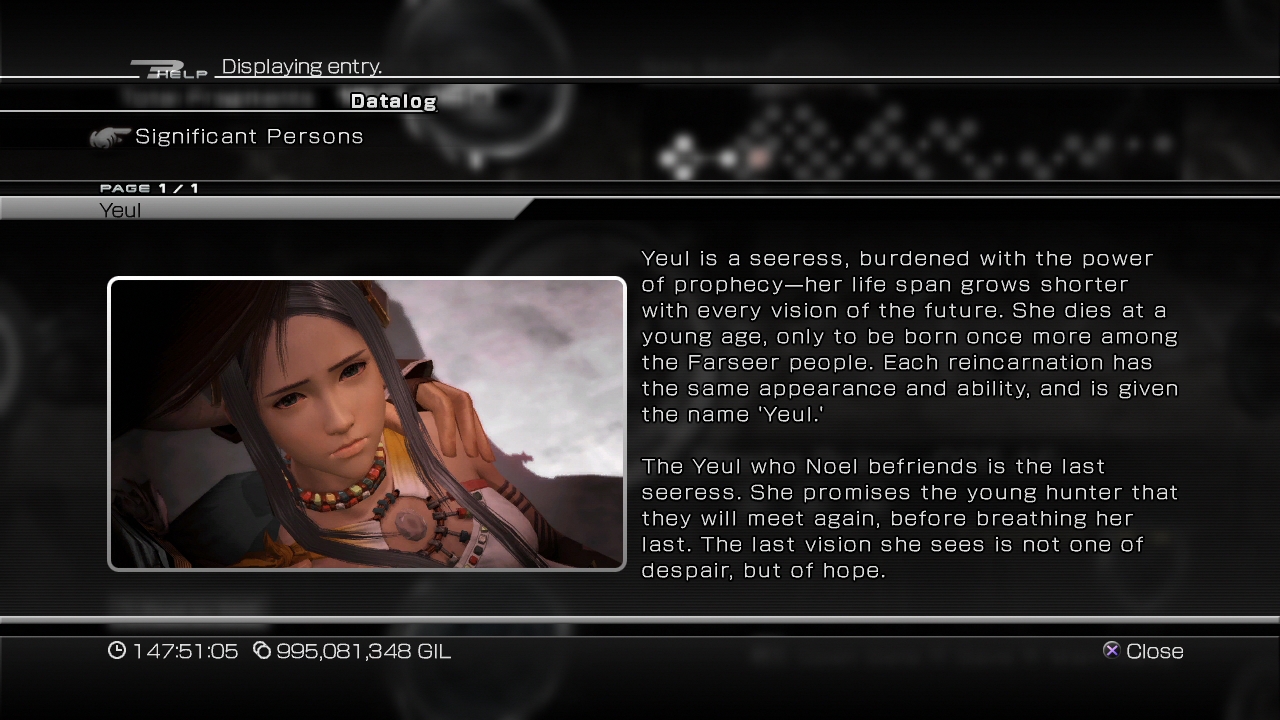 |
| This is not good storytelling. This is the antithesis of good storytelling. |
What is
truly a shame, however, is that most Final Fantasy games, even up to 13, had
some interesting ideas to explore.
Interesting themes to be brought to light. Final Fantasy 6, for example, looked into the
idea of what would happen to the world if a capricious and nihilistic god ruled
over it. This outlook allow players to
explore the issue of "if life is so short, so fragile, so fleeting, why
bother?" and find some interesting viewpoints and reasons for why humans
continue living. Final Fantasy 10
examined how a world ruled by a corrupt theocracy could ultimately live in
blind ignorance of the real monsters, even when it was being menaced by a creature
the size of Godzilla as well as exploring the ephemeral nature of life and the
power of dreams. Final Fantasy 13,
loathed though it is, looked at ideas of prejudice, how stereotypes and hatred
can ultimately ruin a world, rotting it from the inside out, to where anyone
associated with the accused are viewed as less than human by others and acts of
brutality against them are deemed justified.
The true disappointment in Final Fantasy's storytelling was not that
there were no good ideas. The insane
ideas and the deep themes practically made the story. No, the true disappointment was in how poorly
executed the story, and script, became over time. They went from being a bit quirky and insane
to almost totally nonsensical.
 |
| Final Fantasy 13 did have some amazingly powerful, moving character moments, exploring complex and mature themes...pity the story itself was so poorly told. |
Conclusion:
Looking at
the data, it should be pretty clear what the major stumbling blocks for Final
Fantasy are and why it's becoming less and less relevant to fans. Graphically, there aren't really any
problems. Characters may not emote or
use their body langauge as well in the HD age, but the series has always had a
fairly high graphical pedigree and that's continued on into the current
generation, with absolutely gorgeous vistas and backgrounds, interesting
character and enemy design, and just tons of beautiful eye candy to amuse
players.
Musically,
the series lacks a strong hand to give it direction. Uematsu provided that hand before and they
haven't found anyone else to give it the necessary soul to match the onscreen
events. It hasn't become terrible
overnight, but the slide has been gradual, with Final Fantasy 10-2 moving into
more j-pop, Final Fantasy 12 trying to recapture the feel, but ultimately being
a little forgettable, and Final Fantasy 13 being often times boring, annoying,
or just confusing. Why did they include
an American Idol singer as a selling point?
Why license a song like that instead of having one made for the series
by a strong composer?
From a
storytelling perspective, the scripts seem to have gotten poorer and the over
reliance on voice actors seems to be pushing scripts and dialogues into certain
directions that ultimately make them less reliant on clever wordplay, body
language, or situational context and more reliant on the talents of the
VA. This may be the world we live in,
but you need a balance of those things, since not all VAs are created
equally. The nonsensical parts of Final
Fantasy are, for the most part, fine.
The series has always had some goofy elements that don't make too much
sense. The important part is having a
script which keeps players engaged until the game is over and they start
realizing how damned goofy what they just played was.
However,
most importantly, Square needs to give players back control. When you take away a player's control in a
game, it stops being a game and becomes a movie. Final Fantasy offered a huge amount of
variety and control options until it hit 11, which limited it due to that game
being an MMO. After 11, though, all the
single player games have been lacking in options. Now, the norm is to only control 1 player
where before a party of 3-5 could be under your control. Restricting control is not a good idea, as it
will remind players they are going through a very linear, scripted, and
stifling experience. Give players back
the ability to make mistakes, since mistakes help us grow. Give them the ability to explore, to talk to
people, to shop, for god's sake!
 |
| Ironically Final Fantasy 13 sold very well...then, people realized it was crap and so sales dropped like a rock. |
And, there
you have it. They need a strong musical
hand, a more balanced script that relies less on voice and more on context,
words, and body language, and they need to give players back their
control. So, do I think Final Fantasy
can recover from these pitfalls? Well,
it can, but I'm not sure it should.
Final Fantasy has always been a sort of industry standard for what an
RPG is. If people see this poor
standard, they can at least learn from it.
Besides, Final Fantasy has already alienated a ton of fans, not just
with flaws like the above in its main games but with numerous money grabbing
schemes from its spin offs. The brand is
pretty weak right now. It might just be
better to start fresh, so to speak. For
example, Uematsu and Sakaguchi, both Final Fantasy Alumni, worked together to
create The Last Story and Lost Odyssey, games which had a Final Fantasy feel,
but which were not Final Fantasy, strictly speaking. These games won over audiences with their
graphics, music, storytelling, and above all else, their control. So, a Last Story 2 or Lost Odyssey 2 might
not be such a bad idea. Start a new
legend and let the Final Fantasy series have a break. Better to let it rest in peace with over a
dozen good titles than slowly wither and decay until there really is a
"Final Fantasy." And maybe
someday, it'll be ready to come back.
 |
| It's possible that Final Fantasy has gone too far and will never be as it once was. |
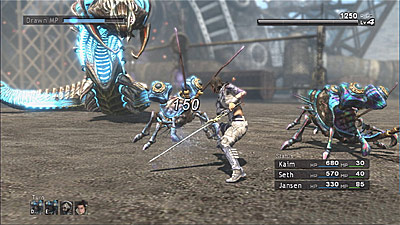 |
| Even if Final Fantasy is gone for good, however, worthy successors have stepped forward. The Last Story(Top image) and Lost Odyssey(Bottom image) |
Before I sign out, I would like
to remind people that I am not an expert.
Just a gamer who knows what he likes, what other gamers like, and where
the industry seems to be heading from my perspective. This is just my opinion on what the hell
happened to Final Fantasy. Take it, leave
it, or argue if you like. Let me hear
what you think happened.
Subscribe to:
Posts (Atom)