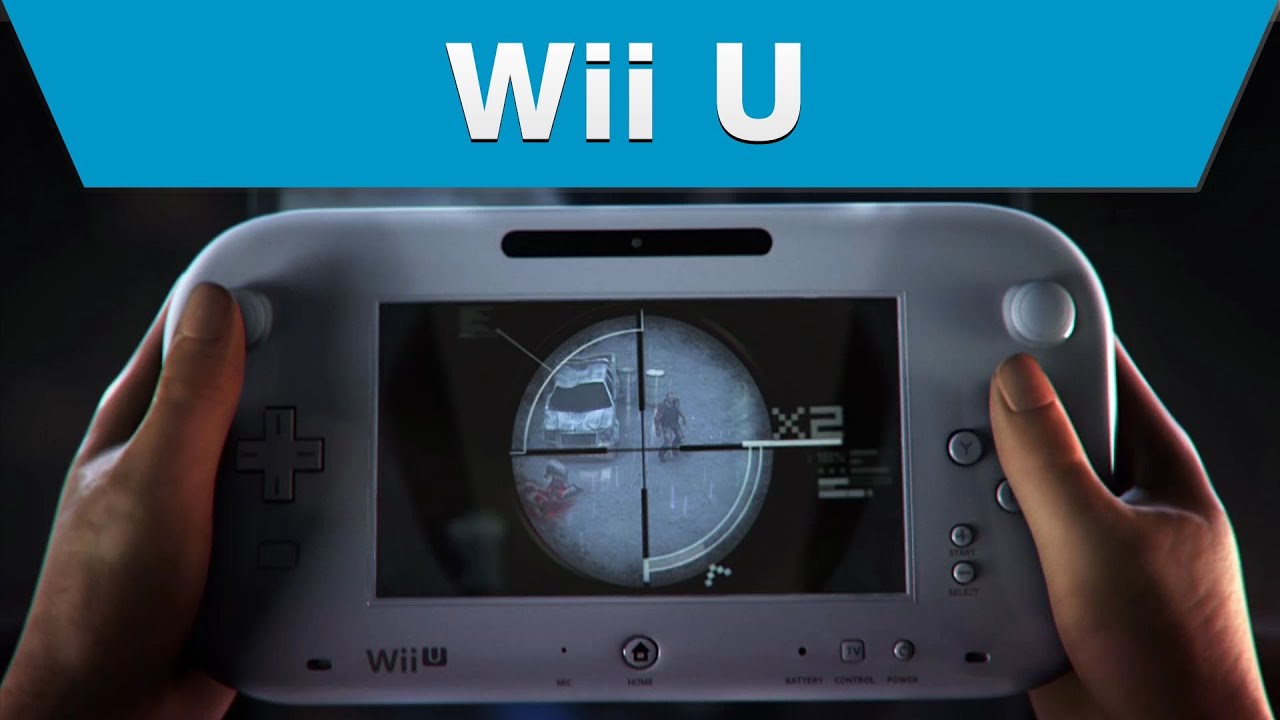
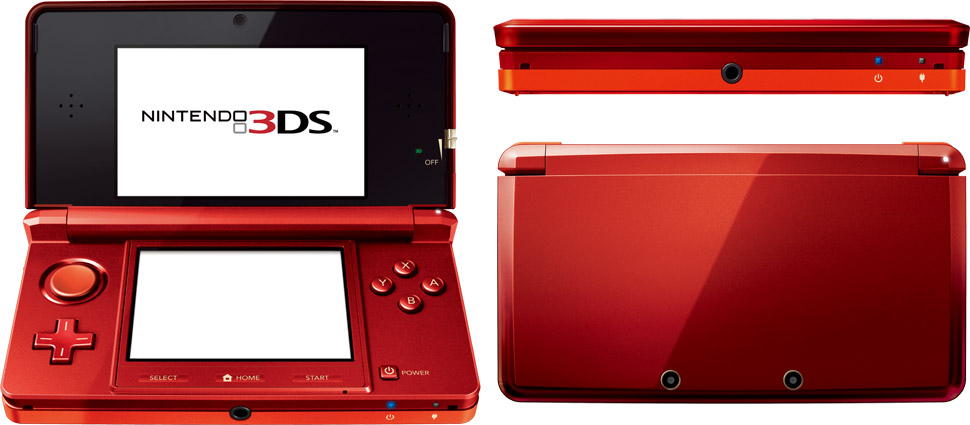
Showing posts with label Wii. Show all posts

Tuesday, December 3, 2013

Reflecting on the PS3/Wii/Xbox 360 generation


Phew...I feel really terrible for leaving my readers alone without an update for over a month.  I really do apologize for that.  I've been going through hell with work, school, and numerous other projects.  But I do want to support this blog, so I'm working towards getting more published.  I know this sounds like the same speech I give forever and for always, but I do mean it.  I want share with everyone.  Anyway, enough of the depressing apologies.  Let's get into some reflections on the previous console generation now that the PS4, Xbone, and Wii U have been released.

Reflecting on the PS3/Wii/Xbox 360 generation

            Hello, all.  It's near the end of 2013, we've officially started the next generation of gaming with three brand new consoles, and the start of a new era has begun.  As such, I think I'd like to take a short break from my typical analysis and do a bit of reflecting on the previous generation.  For me, there is one word that perfectly sums up the PS3/Wii/Xbox 360 generation.  Abject disappointment.  Coming off the PS2 era, this generation was a massive heel turn on three aspects.  The last generation disappointed me.  I was disappointed in the publishers, in the media, and in the game industry as a whole.  This could just be me being an old man...of almost 26...but let me explain my position.

Rest in peace, the last genuinely good generation of gaming.
            Let's start with the publishers.  The advent of a console which could regularly connect to the internet was, in my opinion, one of the biggest blows to quality control in the world of console gaming since the Video Game Crash of 1979.  In previous generations, PS2, PSone, SNES, NES, etc. when you bought a console, it had to work straight out of the box.  If it didn't the company which made it had problems, as they'd have to do a massive recall to fix the problem and waste millions of dollars, if not more.  However, in modern gaming, if a game or a console is of terrible quality, the mentality is not to fix it before it goes out but rather to "patch it" to try and fix the problems online.  Sometimes these patches can make things even worse, as reports of Wii bricking after certain firmware updates early in its life cycle.  Games no longer have any need for quality control because regardless of bugs, failings, or what have you, the mentality is that it can be fixed later, so long as we give them the money now.

Last generation was punctuated by laziness, glitches, and failure on the part of publishers.  RROD.  Need I say more?
            That's not the only disappointing aspect of game publishers by any means, however.  The age of the internet also became the age of DLC.  Many features in video games which were included to be unlocked in previous generations through gameplay are now sold piecemeal to try and make more money off the fan base.  Truthfully, publishers abusing their customer base has been a staple of this generation.  Piecemeal DLC, season passes with content that may never appear, online passes, paywalls for certain games, updates which hurt a game more than fixing it, releasing "better" versions of their game a short period of time after the initial release, the list goes on and on.  The publishers have abused their power to a large degree.  Worse is that they have increased the costs of developing games so that they are prohibitively expensive, meaning that fewer games can be released unless they appeal to a much wider demographic, which waters down games.  They are forced to try and appeal to everyone, ultimately making them less appealing to those who might have given it a look to begin with.  Video game publishers continue to make mistakes with gleeful abandon, when if they simply respected their customers and did away with certain shoddy practices they would rake in not only money, but brand loyalty.
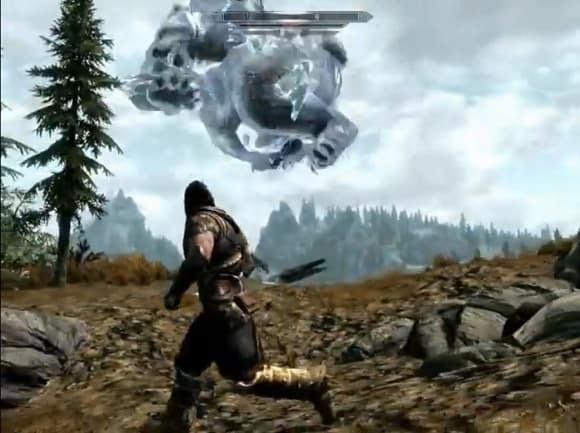
Surely game developers wouldn't released watered down glitchy games to their loyal fan-ohhhh...
            In regards to publishers, this feels like the age of shortcuts, scams, and betrayals.  Capcom epitomizes this with their scummy on disc DLC practices, their release of a broken version of Marvel Vs. Capcom 3, which they did not patch and instead released a new version of the game with no consideration given to early adopters, myself included.  Game manuals have gotten shorter to save on printing costs, to the point where they can be as thin as two pages.  At that point, why bother even printing it?  Some games don't even come with manuals to save on the cost.  The increase in price for the decrease in quality is one of the most disappointing parts of this generation.  Game developers and publishers play the pauper for us, but they demand more and more money.  This generation the price for almost all games, regardless of length, quality, or anything else is usually $60.  Budget titles are almost nonexistent.  Worse, support for the burgeoning idea of digital distribution has been crippled by this same principal, where the costs for making physical copies have been eliminated, but the same amount of money is charged regardless.  This is what destroyed the PSPgo.  The costs were the same for digital games, not all games were supported, and support in general seemed limited.  Greed has defined this generation.  Don't misunderstand me.  I know that all game companies want money and in my precious SNES era, many games were sold at a premium of $60-$80, but this was the exception, not the norm.  The norm now is for publishers to squeeze their fans for as much money as possible until they abandon them.  And that's just sad.
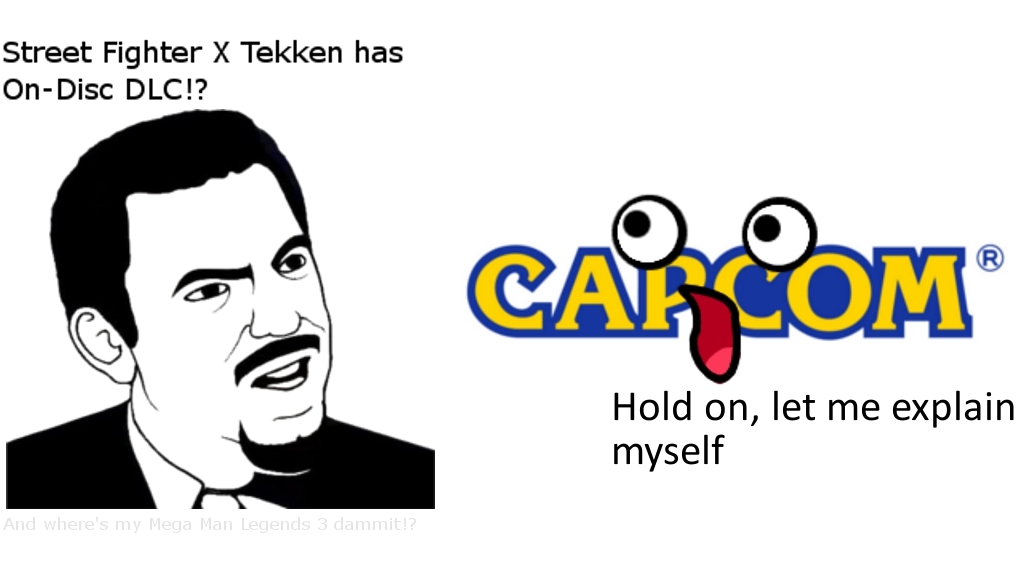
This generation showed just how low game publishers could go to make money off their fans.
            Moving on to games media, what I find most disappointing is the out of control hype machine that it has become, the vitriolic editorialist nature of it, of which I freely admit that I too am a part, a general lack of internal ethics, and the often times conflicting nature of game reviews and game press.  I do believe a huge part of this is simply growing pains as our burgeoning hobby is coming into its own, hence the title of my blog, however it is more clear to me now than ever that the media is a lot more flash than substance.  I was told that games were great from magazines when in fact they were horrible.  The flashy covers and interviews and coverage of magazines or websites get us excited to a degree that we cannot match.

Anyone else remember the hype machine on this?  Remember how it crashed and burned horribly?
            The hype machine in particular is bringing more and more disappointment all around because everyone wants to try and be largely positive before a review is out so that they can get more coverage, fill pages of magazines, fill websites, etc.  however it creates an unreasonable expectation, feeding a gamer's glee and desire for a game to be good regardless of the actual substance of the game in question.  Ironically, this largely feeds into the second disappointing aspect of gaming media, the vitriolic editorialistic nature of it.  I love Bioshock.  I also love Bioshock 2.  In the lead up to Bioshock 2, the hype machine was huge, the return to Rapture was going to be a triumphant new adventure as a Big Daddy.  Then, when it came out, people began to shit on the game for being a disappointment.  The hype machine built up a game that could not be and then capitalized on it by treating it with polarizing views of angry dismissal or angry defense.  I also admit to this, having expressed my anger at games like Demons Souls, Bioshock Infinite, and even Skyrim.  I'm disappointed just as much in myself as others because rather than trying to find the good in moderately fun games or even flawed titles, if they do not merit a solid 9/10 or 10/10, it seems like we are content to get upset at them.  We live in a culture that largely responds to game criticism, hype, or even general discussion with anger and games media has helped that along.  Worse though is when people start being rude, angry, or generally cruel when they could have avoided it.  Jason Schrier's flame war with George Kamitani over the portrayal of women in Dragon's Crown or Marcus Beer's attacks on Phil fish are good examples of this.

Not a bad game.  Please stop buying into the hype machine of what it was supposed to be, stop being angry, and just enjoy it for what it is.
            More distressing is the lack of ethics in games media.  Now, I'm not someone who believes that game reviewers or those who deal with the news of games are privileged because they get free games or consoles.  That is their work.  That is no different than a law book for a lawyer or an abacus for an actuary.  It is a tool.  However, when they abuse those tools, I start to get upset.  In the last generation, we received dozens of 9/10 and 10/10 review scores across the board for games like Bioshock Infinite, which was a remarkably flawed game, to Skyrim, which was released with a huge amount of bugs but which was declared a masterpiece regardless, to XCOM, which was so buggy at times that it was unplayable.  It seems like journalists either cannot separate personal feelings from issues of fault, bugginess, or flaws in the game design...or they've been paid off.  When I was younger, I played a game called Ephemeral Fantasia, which was panned on one game website, but which received more modest scores on others.  Each one noted its flaws or bugs, but highlighted different facets of the title, offering different opinions, one of which eventually made me buy the game.  These days, only independent reviewers, like those on Blistered Thumbs or Total Biscuit tend to be brutally honest about games, whereas larger publishers tend to have across the board either positive or negative reviews...a consensus.  It makes me raise an eyebrow.  And even those independent reviewers can make mistakes.  Someone on Blistered Thumbs gave Xenoblade Chronicles a 10/10 review score when I have already addressed at great length its many flaws.  This leads to my final disappointment.  The conflicting interests.  Publishers are the ones who give game journalists and media outlets review copies before the launch day.  If the media site or reviewer pans the title, the publisher is less likely to send them a game in the future.  This happened with Total Biscuit in regards to Garry's Incident on Steam, which was so buggy it was nearly unplayable.  However, to avoid bad publicity, the publisher tried to get his review pulled from Youtube.  While thhere is a large deal of ethics issues or ethical confusion, I'm not going to say all game reviewers or media outlets are morally bankrupt.  Some are probably just...in a tough situation.  Coupled with the conflicting interests, it makes games media a muddled thing indeed, as it's difficult to find the truth from the hype, the honest review from the fan boy review, and the heartfelt admiration from the corporate pay off.  I know that this has been an issue in the past, Nintendo Power was after all propaganda, however this generation has been rampant with it.  And that disappoints me.
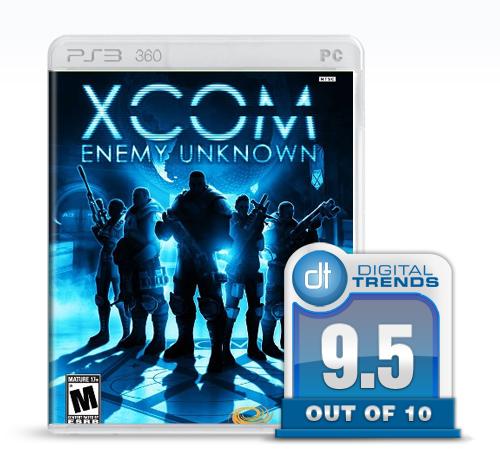
One of the glitchiest games of the generation.  9.5 out of 10...see why I'm down on the media?
            Finally, let's discuss the games industry as a whole.  We are a bunch of sexist, entitled, fan boy bastards.  Not all of us and some not to as huge a degree as others, but we, as a culture and an industry, have problems.  These problems were made all too clear in this generation.  Sexism was a prime issue here.  The harassment of Anita Sarkeesian and women in the game industry, keeping women off video game covers unless they are half naked, ignoring or marginalizing the female gamer population, ala "the fake gamer girl" incidents...we have a lot of growing up to do.  And we're not helping our image with these ideas.  We're also highly self entitled.  We believe the world owes us something when really...it doesn't.  Game piracy is easily the biggest example of self entitlement in the game industry and it hurts everyone.  The truth is, I think we've blurred the lines between what we really are entitled as customers and what we believe we are entitled too.  Say what you want about the Mass Effect 3 ending, but the fact that gamers believed that, after paying for a finished product, they believed they were entitled to more...it is telling about our mindset and culture.  As customers, we do deserve a working product, which makes the Diablo 3 or Sim City incidents especially depressing as we did not even get that, however we are not owed anything unless we have plopped down the money for it.  Even then, we may not be owed a blasted thing.  But the game industry continually seems to think that because we want it, we deserve it.  Publishers, media, and gamers alike.

We deserve working games, for sure...but entitlement is a problem in our culture.  We deserve working games.  But we are not entitled to hurt others, in or out of the game industry, if we don't get them.
            My final problem with the game industry is the fan boy issue.  We have become so vitriolic and defensive about almost everything that we will angrily defend, even making an argument personal or threatening or harassing others just to prove our point.  We cannot continue on like this.  These are the efforts of children, screaming at parents and threatening their classmates without realizing the totality of their actions.  There have always been and likely will always be fan boys.  However, no matter how brutal, smarmy, or rude it could be in the past, it pales in comparison to the nastiness on open display in the games industry at the moment.  Developers blatantly insulting their customers to their detriment, fans berating anyone who steps out of line with their train of thought, media pundits harassing developers...we are getting worse and worse.  And it makes me sad.  It makes me want to distance myself from the industry and culture I once loved.
The parody of the fanboy has become so hilarious because the reality is so depressing. 
            So, yeah, to me this generation has been a huge disappointment for me.  Even putting aside those issues, the forced attempts at innovation played into the hype machine...we were promised full motion feed back with the Wii and got shoddy controls.  We were promised a controllerless perfect experience on Xbox 360 Kinect and got a useless peripheral.  The dual shock sixaxis was supposed to use tilt technology to improve game design, but the controllers were poorly made pieces of crap.  Games themselves also seem to be watered down and more flash than substance.  I really can't justify buying games that are 4 hours in length for $60 or even $40.
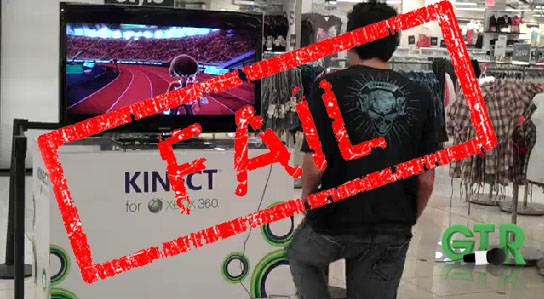
Forcing innovation was an expensive bomb last generation for the tentative promise of something better this generation.  I'm not holding my breath.
            It's not all bad though.  Let me give a quick forecast of the next generation to try and lift some spirits, okay?  Honestly, I believe this new generation will either be the time of the Wii U or, what is more likely, the return to power of the PC.  The PS4 and Xbox One are basically over glorified, underpowered PCs with a few exclusive games like Killzone or Dead Rising 3.  Anything they can do, a PC can do better, more efficiently, and with less hassle.  Consoles seem to be moving more towards the PC, but without any of the benefits, so I predict either the PC will become the major gaming platform and supplant consoles, or the Wii U will gain steam and overtake them all.  Why?  Well, the Wii U has a number of things going for it other companies don't have.  While digital distribution on PS4 and Xbox One often have PC equivalents on Steam or GOG, the Wii U has the virtual console, which, short of emulation or trying to hunt down old cartridges, is the only legal way to play older console games from Nintendo and Sega.  Titles like Earthbound cannot be found anywhere else.  If that receives support, then the Wii U will have more power in the digital arena.  The Wii U is also the cheapest of the three consoles and a dedicated gaming machine rather than a multi-media platform.  The Wii U also is trying something new with the game pad, releasing it from the shackles of the television while opening up new venues of play with the television.  It also has the house Mario built, Nintendo, supporting it.  The Wii U is behind at the moment, but that could rapidly change.  I think that Sony and Microsoft will make decent sales with their consoles at first, but as more people become fed up with the watering down and PC-ification of their consoles, I think they'll either move to Wii U or to PC.

The one true savior.
            I also believe that this generation will not necessarily belong to large publishers, but to the smaller studios.  The indies.  Through crowd sourcing, they now have a means to get capital without groveling at the feet of giants, making releasing quality games on a budget, usually for the PC, child's play.  It releases many developers from the burden of the overpriced, exorbitance of the AAA industry.  Indies are the future, as far as I'm concerned.  I think that larger publishers, as budgets increase, will eventually implode when they cannot get enough money to cover their costs, while Indies, with their low costs and roots in the community, will survive.

The other true savior.
            In general, while I believe this generation to be a disappointment, this new generation or the one after it will be a bit of a shake up.  I honestly believe that things are going to change.  I don't fear becoming a PC gamer, thanks to my recent conversion to Steam and GOG, but I would weep for the loss of what I consider to be console culture.  It was my childhood, after all.  Regardless of what comes though, I think that the game industry as it is now will not be able to stay as it is.  Even now, we are seeing more acts of altruism in small ways.  Promoting a kickstarter for a game to try and get it off the ground for no other reason than the game looks fun.  Defending or discussing issues in a civil manner.  We all have our bigots, our sexists, our angry fan boys...but we also have people who have a great love of gaming.  And so, I predict that in spite of my disappointment with this last generation, I do believe the future will get brighter.


Seriously, everyone...thank you for reading.  It's been an honor and a privilege.
            I'd like to take a moment to thank all my wonderful readers.  All...4 of you.  I kid, I kid.  I do this for myself, but it's nice to know that some people do pay attention and enjoy, or at least are engaged by my work.  I hope to be less vitriolic in the coming year and to get more posts out on a regular basis.  I want to defend games rather than just sigh and shake my head at the industry.  So, see you in 2014...or sooner, if I get my act together!  Let's see if the Wii U, the PC, or something brand new takes center stage.

Monday, September 16, 2013

The Right Tool for the Right Job: The Wii and Wii-U


Okay, the Wii and the Wii-U have gotten a lot of hate.  The Wii from the hardcore crowd over the course of it's lifetime and the Wii-U for a lackluster launch lineup which has yet to improve.  However, what I think people often forget is that while both consoles have used gimmicks and tricks to sell games, their hardware do have specific strengths.  You can scoff all you want at the shoe-horned in bits of gameplay which rely on waggling the Wiimote or meddling with the Wii-U game pad.  I have no issue with that, as gameplay needs to be organic.  However, try and remember that hardware is created with specific things in mind.  Remember that while you shouldn't use a hammer to fix a shattered dinner plate, you should use a hammer to nail down a board.  The right tool for the right job.  Are the Wiimote and Wii-U controller often used for gimmicky gameplay?  Sure.  But the fact is, they do have practical uses that are both fun and engaging.  And I intend to discuss this with the gaming public because, while I think it's fine to demand developers stop using gimmicky controls, that doesn't mean we should declare a new piece of hardware a failure just because it does something different from what we're used to.  We need to encourage developers to use the right tool for the right job.
It's different certainly, but different isn't necessarily bad.  Both the Wii and the Wii-U have their strengths.  The important thing is recognizing the potential of their hardware and using the right tool for the right job.
            First, I want to look at the Wiimote.  This was the defining feature of the Wii.  Motion controls.  It was a way to attract the casual gaming crowd, but also a new way to experience old classics.  However, what many games did was try to FIND a use for the Wii-mote rather than build a game AROUND it.  Herein lies the problem.  If you have to find a use for a new piece of tech, chances are you're better off making a game in the traditional style.  Sure, it won't be as gimmicky and might not be as memorable...but it will be a lot more fun and will probably sell more.  So, what can the Wiimote's motion sensors do?  Well, the basic actions it seems to be good at are slashing, pointing, dragging, detection of distance and force based on position, and shaking.  Now, if a game is setup properly, it can make use of these features and actually create an engaging product.

One thing no one can deny is that the Wiimote offered a style of gameplay unlike anything we'd ever seen in the past.
            Slashing is pretty self explanatory.  Games like Dragon Quest Swords and Legend of Zelda: Skyward Sword focus on using the slashing action to determine speed, angle, and to mimic certain sword motions.  These work well for your typical action game, provided it's set up to recognize the slashes and to have a reason to do more than flail about, like an enemy who can block in one direction, so you need to slash in a different one.  And these two games do that well.

There's something inherently cathartic about slashing something to bits and this is one thing the Wiimote can do very well.
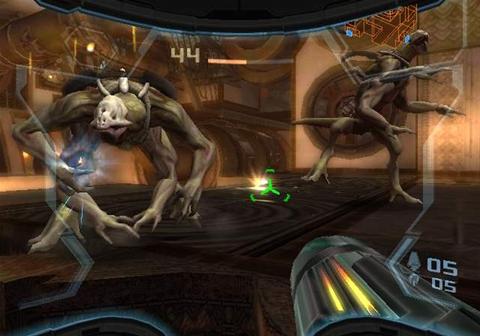
            Pointing actually has a lot of implications.  You can use it for an adventure game or a hidden object game, like Zak and Wiki, where it mimics the movement of a mouse on a PC.  However, they can also be used for light gun games, where if you point at an enemy, you will shoot it.  When done properly and either put on rails or integrated with competent movement controls, this makes shooters much faster, more intense, and more personal.  Games like Sin and Punishment: Star Successor or Metroid Prime 3: Corruption have proven this much.  It can also be used to simply set objective markers or to touch icons, like in Battalion Wars 2 where you can switch units by clicking on their icon or in Overlord: Dark Legend where if you click on something, your minions will either attack it or grab it.

Pointing and clicking isn't just for adventure games.  In terms of how the Wiimote is used, it can also greatly change how a console shooter is played.  That reticle on the screen?  That's where your Wiimote is pointing.  It offers a whole new level of control.
            Dragging was made very useful in the Trauma Center games on the Wii.  If you click on a specific tool, like a scalpel, or antibiotic gel, or sutures, then you can drag them across a surface to perform a specific action.  The brilliance of this type of game is that if done properly it can mimic something that is normally very difficult in real life and make players feel accomplished.  If you can break something down to dragging, you could easily make a slew of popular and fun Wii games out of many mobile titles and frankly, I'm shocked there was never an Angry Birds or a stand alone construction game, like Sim City, focused around dragging something a certain way.

Dragging sutures over a wound may not be how it's done in real life, but it makes for a fast paced and engaging play session in Trauma Center on the Wii.
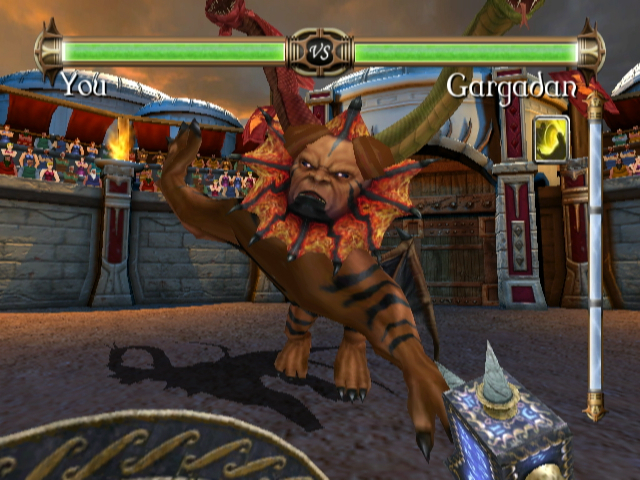
            Detecting distance and force based on position sounds complicated but it boils down to this.  Sports games.  The Wii-mote detects the movement of your swing and the power based on it's position and how rapidly that changes.  A swing of a golf club, rolling a bowling ball, hitting a tennis racket, etc.  Boxing was also popular using this system and that has been proven to be adaptable.  The game Rage of the Gladiator used this system to take what amounted to a boxing game into a first person fantasy fighter game against mystic monsters.

Rage of the Gladiators showed that sports games weren't the only kind of game you can play with the ability to detect distance and force.  With a little inventiveness, you could do anything.  This game uses controls popularized in boxing to fight monsters in an arena with weapons, magic, and wits.
            Shaking is pretty minor, all things considered, but if you lack buttons or want to use a cathartic action, then it can be useful.  Wario Land: Shake it made you feel good about shaking the Wii-mote because you got money for it, making it very cathartic, or the Kirby: Return to Dreamland title allowed you to shake the controller to suck in things with greater force, eliminating the need for an additional button.  It's minor, but it does have it's uses.

Pretty minor as far as the Wiimote's capabilities, but still enjoyable.  Shaking does have its uses, after all.
            And of course, any of these different skills can be integrated to create a relatively unique and enjoyable game.  Red Steel 2 managed to including pointing and slashing in the same game by making you a gun slinging samurai.  Trauma Team combined dragging and pointing for doctor sessions and adventure game like triage and post-mortem analyses.  Wario Ware on the Wii combined all these actions in various forms in different mini games.  If you use your brain, you can actually get quite a lot out of these simple actions.

By combining what the Wiimote was good at, crafty game developers could create unique and interesting experiences, rather than trying to do what other controllers already did better.
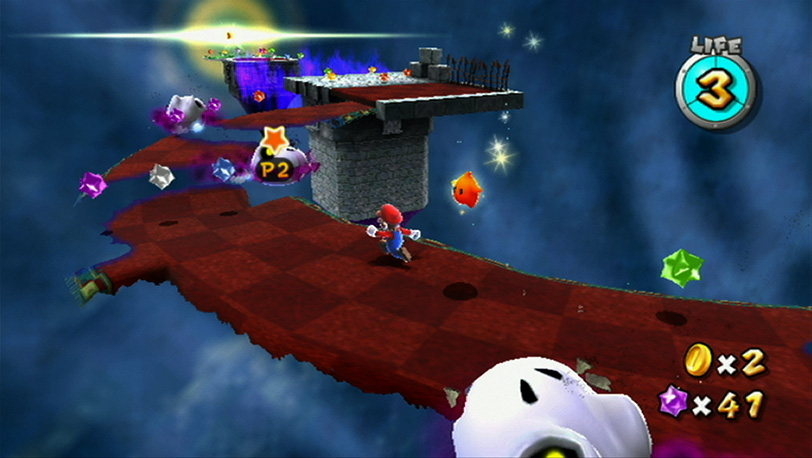
            The problem with many developers was they either were trying to re-invent the wheel in terms of game design or they did not accept the system's limitations.  The Wii-mote's motion sensing should not be used in a platform game or an action-adventure or fighting game where a d-pad controller and standard jump controls would work better.  A Metal Slug game where you need to waggle the remote to throw a grenade is the opposite of intuitive.  A Wii-mote does not need to be used for games that already have decent control schemes and I think this is what scared off many hard core gamers.  They saw Mario Galaxy having the shoe-horned in star bit collecting when just replacing coins with star bits would have been more fun and accessible and grew fed up.  That aside, you also have to accept the limitations of the Wii-mote.  It can have trouble with path finding or is loopy for a little bit when it goes from off screen to on screen.  Some games allow you to recalibrate it's position and this can help, but...don't try and do something the Wiimote can't do.  If you want it to spin, don't, because more often than not, the motion sensors will just get confused.  Don't try and make it detect movements like reeling back, because if the sensor goes off screen, it will go all loopy.  And if you're making a long game, like an RPG, and want to use motion sensors, then either offer an option for an alternate control scheme through mundane parts so player's arms don't get tired, or make the game best suited for small spurts over a long period, so gamers don't get fed up with all the motion controls.

Collect 50 coins and get a life.  Collect 100 star bits and get a life.  To collect star bits, you have to use a shoe horned in Wiimote control scheme...why not just take out the coins and the motion gimmick and make the game more fluid?  Sometimes you need to know your limits, Wii.
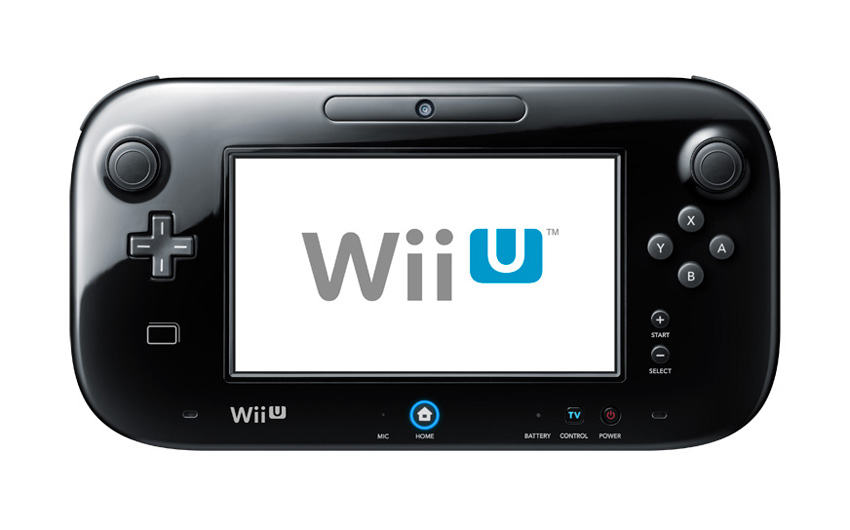
            Now, this information is kind of useless posthumously aside from just making people try to appreciate the Wii when it does it's job right.  However, while the Wii may be done and games aren't really being made for it anymore, you can take these conventions of game design and use them for the Wii-U.  What does the Wii-U have?  It has a big tablet controller with a touch screen.  So, build a game around that.  A game that works intuitively.  In fact, mobile games might be a good place to look.  Get HD ports of games like Fruit Ninja, Angry Birds, or Infinite Blade which require touch screen controls and have them work with the Wii-U tablet.  More than that, look to the DS and 3DS for inspiration.  You have a touch screen, so touch things.  Don't try and make the tablet give you information that you could have just as easily gotten off a TV screen, like with ZombiU.  Allow someone to go cooking or crafting on the Wii-U like with Cooking Mama on the DS.  Use the touch screen for path finding, like in the DS Zelda games, like Phantom Hour Glass.  Draw on the screen, like with Okamiden.  And don't forget what was learned with the Wii controls.  You can drag, slash, point, etc. on a touch screen just as easily as you can with a Wii-mote.  Make use of that.

Imagine how fun and intuitive this game would be on a Wii-U game pad in HD.  Mind.  Blown.
            Nintendo land is actually really amazing in this aspect, as, like Wario Ware, it shows a bunch of mini games showcasing the possibility of the game pad, from flicking on it to throw shurikens, to using it to guide a character with path finding, to touching the screen to alter certain parts of a level to keep a character from dying.  However, one thing I adore is that in some games, like the Yoshi mini game, is that they use the tablet in conjunction with the television.  This will be your big seller.  Don't use the tablet to replace information on the TV, but use it in CONJUNCTION with it.  Yoshi's game shows you a path on the TV, then you can look down at the tablet to drag out the path you want Yoshi to take.  Then, he will do it on the TV.  This is a great way to use the touch screen and it allows you to force cooperation with the tablet and the TV because your goals are only visible on the TV, but your path is only visible on the tablet...so you have to work together.

This is how you use the game pad right.  Make it work with the TV rather than fighting against it.
            What else can you use the tablet for?  Well, just some ideas, but...how about using the touch screen without forcing people to look at it.  Create item shortcuts on the tablet that you can just touch without having to look down to make an action game more intuitive.  This would take control and accessibility to a new level for games like Dark Souls.  Or have the screen as a blank canvas that you need to draw on, so you don't need to look at it, you can just draw and what you draw affects the world on the TV.  There are lots of possibilities, however you cannot shoe-horn things in.  Making the Wii-U a scanner seems like a good idea in ZombiU, as it allows you to use it as a sniper scope or scan for threats or see what containers have what items...however, because of the size and the effort involved, it feels really unintuitive and cumbersome, especially since you don't NEED the game pad to do these things...they can be done easier on the TV.  The Wii-U needs to find things that it can do, then build games around it's capabilities.  That's how you'll get hit titles.

Explain to me again why this couldn't be done on the TV instead of the game pad?
            Rayman Legends actually offers an interesting compromise between looking at the TV and looking at the tablet.  You can do either and still play the game, however in many sections, you can alter the environment with a quick swipe or touch on the tablet, opening up new paths for your character, however, often, you're timed or being chased, so you'll want to see all the action on the big screen.  This creates a choice.  You can sacrifice control for a short cut or a power up and risk taking a hit or miss the secret to survive.  It creates a dilemma where either path can finish the level, but where one may be more fun or more challenging than the other, opening up venues for replayability.  And it does this by mimicking a concept from DS games and their touch screen controls.  And that kind of experience will be unique to the Wii-U.  It's not necessarily a gimmick, but a different kind of choice.

Go for a straight run through, or use the game pad to speed things up and open up short cuts?  In Rayman Legends, the choice is yours.
            The Wii-U's biggest benefit is that it is not shackled to the TV, because the tablet does not require the TV to function...so, you could synchronize the Nintendo E-shop from the DSi or the 3DS with the Wii-U to play those games on the tablet in HD.  Or you could release games in a similar style to mobile or DS games, relying on a touch screen, that can only be played on the tablet.  The biggest problem, however, is that no one wants to invest in the Wii-U unless it has a proven concept which works, like the Wii did with some of it's early titles, like Punch Out or Dragon Quest Swords.  No one seems to know what to do and in the bloated AAA industry, few want to risk anything on the Wii-U's novelty and unique capabilities.

            The trick is to use the right tool for the right job.  Look at the Wii-U and what it can do...and build a game around that.  It doesn't matter how simple or ugly it is, so long as it uses the tablet and is fun.  If you create a game that uses it but looks like crap, release it as an E-shop game and take what you've learned to make a more complete game.  Just don't try and re-invent the wheel or mistake the Wii-U's novelty for limitless potential.  Embrace the limits of the tablet alongside it's strengths and work in conjunction with them.  And this goes for all new tech.  You don't need to create a survival horror game or a shooter for the Kinect.  What can the Kinect do?  Recognize movements.  Where would this be useful?  Dance games.  If Microsoft or it's partners don't realize the Kinect's strengths and instead keep trying to use the wrong tool for the wrong job, then...it'll flop with the Xbox One just like it did for the Xbox 360.  Same for the Playstation 3's sixaxis...it had a set of strengths to be exploited, but like the Kinect, it wasn't used to it's fullest.  A few good ideas were thrown out there, but...it was just too limited and the demand to use it died down.

Last I checked, no one was clambering for another Kinect horror game.  Why?  Wrong tool for the wrong job.  Use your hardware for what it's good at and you'll have better luck.
            Now, this little lecture on capabilities has two purposes.  The first is, of course, to defend the Wii and Wii-U.  Were they perfect?  No.  Could they be annoying?  Most definitely.  However, did they have some experiences that were almost completely unique?  I'd say so.  Trauma Team, Sin and Punishment, Dragon Quest Swords, and Metroid Prime 3 all used unorthodox control systems that actually worked and were more memorable and unique because of it.  And the Wii-U has the potential to do the same.  If people will give it a chance.  Secondly, whenever new tech comes out, be it a physics engine, a level designer, or a new motion control scheme, I have to encourage a developer to remember what the tool was designed for an to use it accordingly.  Does your game really need physics?  No?  Then don't build it around Havok.  Does your game make good use of the Unreal engine or would it be better with a made from scratch engine?  Remember.  Right tool for the right job.

Friday, August 9, 2013

Diminutive Diatribes: Why Region Locking is an All Around Bad Idea


Region locking.  It's been a part of gaming since it's rebirth in the late 80s at the hands of Nintendo.  The pins in the original NES cartridges were of a different number than those in Famicom carts, so neither could play the other's games.  And really, this has kind of boggled my mind.  Our industry has a history of region locking that...largely doesn't make any sense if you look at it objectively.

Region Locking: Making you buy asinine add-ons to play your games since the 1980s
            First, what is region locking?  Well, it's basically a system put in place, either through hardware or software, that prevents video games from one specific region of the world, such as the US, Europe, or Japan, from working on the same game systems from a different region.  US games don't work on Japanese consoles, European games don't work on US consoles, Japanese games don't work on European consoles, etc.  This might have made a bit more sense when it was first envisioned, as in order to prevent another video game market crash, Nintendo created some software lock out procedures to make sure they had quality control of video games.  They didn't want bootlegs being produced with minimal effort and flooding the market.  This is likely how region locking became a standard feature in gaming consoles and, to be fair, it made sense at the time.  After the Atari crash, no one wanted to deal with another market where several hundred games, many of low quality but still sold at full price, were released every week.  However, it's twenty five years later.  I think it's time for the game industry to move on.

Ah, the NES lockout chip.  Tool for building monopolies, controlling quality of games, and preventing imports...this was in the 1980s.  Why have we not moved forward?
            Region locking has understandable roots, but why has it been maintained?  Honestly, I couldn't tell you.  To me, it's never made much sense, other than that's how it's always been.  From a business perspective, it actually does far more harm than good.  The games industry has an unbelievably diverse amount of tastes, genres, and preferred types of games.  Trying to cater to all these needs is not in the current game industries best interests.  AAA games require so much capital that they tend to try and appeal to the broadest possible audience, while niche titles which can't afford a worldwide release, thanks to translation costs or what have you, are only released in one region.  However, think about this for a moment.  If you, as a developer or a publisher, have a game that you cannot release in another language, but there is still interest from the gaming community, who want to play the game regardless, does it not make more sense to have a console that can play your game, thus giving these gamers a reason to buy your game from you?  Set up a service, or work with already existing services like PlayAsia, and sell your games directly to the consumers who want them.  You still make money, since copies are being moved.  And, if interest is enough that you want to make a release in that language, chances are good that even if the gamers bought the import copy, they will still buy the new, translated copy just for convenience's sake so they can have English menus or hear the dialogue spoken in their own language.

Originally scheduled for a US release, Grand Knights History remains a Japan only title.  C'mon, Vanillaware!  Partner with Amazon Japan or Play Asia and bring it over to us!  Even untranslated, this game looks gorgeous
            This is simple.  No matter who buys your game, you are still moving copies...however, region locking is an arbitrary limit on how many copies of your game can ever be sold.  If, for example, a Japanese game is released for the Wii, which is still region locked, and that game is only sold in Japan, that limits your possible customers to the Japanese public.  True, that's several million people, but not everyone will want to buy your game.  Your market share is drastically crippled by this action.  Now, think about what happens if region locking were removed and your game could be bought online from Amazon without the insane shipping costs or extraneous fees.  Your potential customer base goes from maybe a few million Japanese Wii owners to several hundred million Wii owners world wide.  And no, not everyone may want to buy your game, but if removing region locking got you one hundred thousand more sales, wouldn't that be worth it?

Everyone loves the Wii, right?  Not importers...this machine is near impossible to import for due to region locking.  You'd have to buy a Japanese Wii
            Largely, console makers have been waking up to this fact.  Portable gaming consoles like the PSP and the Nintendo DS are region free, allowing gamers to pick up Japanese or European DS and PSP titles and play them, offering free publicity and sales to these niche titles.  The same could be said about the PS3, which uses region free discs.  This is actually how Demon Souls, and by extension its sequel, Dark Souls, got a US release.  There were so many people importing the game that From Software, the developer, took notice and gave the title a proper US release. 

An Asia only release of Demons Souls got an American release because people were importing it like crazy.  That's the thing!  Make it easier for us to get copies, translated or not, and we will give you money!  It was so popular it even got a sequel, Dark Souls
            However, there are still pockets of resistance that...really don't make any sense.  The Nintendo 3DS uses region locking on it's online services, so you cannot buy Japanese games on the Eshop unless you have a Japanese 3DS.  This is easily one of the stupidest decisions you could make about the 3DS.  For starters, there is no overhead with digital games.  No manuals, cases, or discs need to be made.  If an American gamer wants a Japanese game on the Eshop, that is basically free money that you are saying you don't want.  Likewise, the PSN and Xbox Live put similar restrictions on buying digital content from Japan or Europe.  The question I have to keep asking is why?!  Those products are not subject to refund, so quality control shouldn't be an issue, they are delivered over the internet, so there is not an issue of production, it is basically free money!  And as recent as 2013, the Xbox One at it's announcement said that it would have region locking.  Why would you do that?!  You still get royalties off the games sold, so why would you limit your market like that?!

A step in the right direction, but why would you restrict digital content, Nintendo?  That's even EASIER than cartridges to just give a free pass to on region locking!
            Video games are a global market now and no longer just defined by region.  Game and console developers need to recognize this fact and embrace it.  Embrace the idea that you can sell a game in a foreign language to people not native to that country.  It will improve your sales so so much.  Look, the simple fact is that right now, importing is something of a niche market.  You know why?  Because the steps needed to be an importer are a lot of trouble.  With the NES you need a converter to play Famicom games.  With the SNES you have to make changes to your console.  With the Playstation or PS2 you need mod chips and with each of these consoles, sometimes this doesn't work and you need a Japanese or European console to play those games on it.  It's a lot of hassle.  That's why you don't see the kind of sales I'm saying you COULD have.  But selling games is just like squashing piracy.  If you provide a better service, customers will beat a path to your door.  If you make it as easy as buying a foreign game online, or even in a store, and just plopping it into a gamer's machine with no hassle, you will see a huge increase in your sales.

So long as this screen remains, you will be flushing hundreds of thousands of sales down the toilet, game industry
            I think this may be one of the last great hurdles for the game industry to get over.  They got over censorship, they managed to deal with digital distribution, they've even gotten to the point where they no longer need to directly compete with one another, as Nintendo's Wii and Wii U pursue a different market from the PS3 or the Xbox 360.  Now, they need to get over this last hurdle and not fear letting foreign games outside the borders of their home countries.  Just like some US gamers will be entranced by Umihara Kawase, some Japanese gamers will jump at the chance to play Spyro the Dragon in its original English.  Region locking is an all around bad idea, games industry.  You keep playing the pauper and saying that pirates or used games are killing you...when really, you've shot yourself in the foot for years thanks to region locking.  You want more sales?  Remove region locking and watch as the numbers start to climb.

Americans aren't the only ones removing region locking would benefit.  Some western properties are just as popular overseas as eastern properties are in the west.  Food for thought, guys
            The fact is, in this day and age, after all that the game industry has been through, I should not have to say this.  But I do.  There is a huge market for import games that is being ignored by the game industry at large.  The only way many of us get Japanese or European or Brazilian titles these days is through Steam.  Games like Recettear or Class of Heroes are Japanese games the US wouldn't touch, but a few savy developers translated them and brought them over for Steam players to enjoy and they have reaped the rewards of their efforts.  Personally, when I was in Japan I bought five Japanese language DS games brand new because they weren't for sale in the US and I wish I'd bought more.  Let me make this clear, games industry.  Stop region locking.  You hurt not only us, but yourself when you do so.