Phew...I feel really terrible for leaving my readers alone without an update for over a month. I really do apologize for that. I've been going through hell with work, school, and numerous other projects. But I do want to support this blog, so I'm working towards getting more published. I know this sounds like the same speech I give forever and for always, but I do mean it. I want share with everyone. Anyway, enough of the depressing apologies. Let's get into some reflections on the previous console generation now that the PS4, Xbone, and Wii U have been released.
Reflecting on the PS3/Wii/Xbox 360 generation
Reflecting on the PS3/Wii/Xbox 360 generation
Hello,
all. It's near the end of 2013, we've
officially started the next generation of gaming with three brand new consoles,
and the start of a new era has begun. As
such, I think I'd like to take a short break from my typical analysis and do a
bit of reflecting on the previous generation.
For me, there is one word that perfectly sums up the PS3/Wii/Xbox 360
generation. Abject disappointment. Coming off the PS2 era, this generation was a
massive heel turn on three aspects. The
last generation disappointed me. I was
disappointed in the publishers, in the media, and in the game industry as a
whole. This could just be me being an
old man...of almost 26...but let me explain my position.
 |
| Rest in peace, the last genuinely good generation of gaming. |
Let's start
with the publishers. The advent of a
console which could regularly connect to the internet was, in my opinion, one
of the biggest blows to quality control in the world of console gaming since
the Video Game Crash of 1979. In
previous generations, PS2, PSone, SNES, NES, etc. when you bought a console, it
had to work straight out of the box. If
it didn't the company which made it had problems, as they'd have to do a
massive recall to fix the problem and waste millions of dollars, if not
more. However, in modern gaming, if a
game or a console is of terrible quality, the mentality is not to fix it before
it goes out but rather to "patch it" to try and fix the problems
online. Sometimes these patches can make
things even worse, as reports of Wii bricking after certain firmware updates early
in its life cycle. Games no longer have
any need for quality control because regardless of bugs, failings, or what have
you, the mentality is that it can be fixed later, so long as we give them the
money now.
 |
| Last generation was punctuated by laziness, glitches, and failure on the part of publishers. RROD. Need I say more? |
That's not
the only disappointing aspect of game publishers by any means, however. The age of the internet also became the age
of DLC. Many features in video games
which were included to be unlocked in previous generations through gameplay are
now sold piecemeal to try and make more money off the fan base. Truthfully, publishers abusing their customer
base has been a staple of this generation.
Piecemeal DLC, season passes with content that may never appear, online
passes, paywalls for certain games, updates which hurt a game more than fixing
it, releasing "better" versions of their game a short period of time
after the initial release, the list goes on and on. The publishers have abused their power to a
large degree. Worse is that they have
increased the costs of developing games so that they are prohibitively
expensive, meaning that fewer games can be released unless they appeal to a
much wider demographic, which waters down games. They are forced to try and appeal to
everyone, ultimately making them less appealing to those who might have given
it a look to begin with. Video game
publishers continue to make mistakes with gleeful abandon, when if they simply
respected their customers and did away with certain shoddy practices they would
rake in not only money, but brand loyalty.
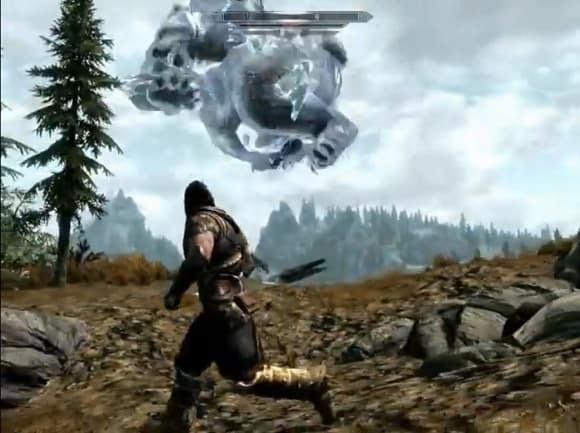 |
| Surely game developers wouldn't released watered down glitchy games to their loyal fan-ohhhh... |
In regards
to publishers, this feels like the age of shortcuts, scams, and betrayals. Capcom epitomizes this with their scummy on
disc DLC practices, their release of a broken version of Marvel Vs. Capcom 3,
which they did not patch and instead released a new version of the game with no
consideration given to early adopters, myself included. Game manuals have gotten shorter to save on
printing costs, to the point where they can be as thin as two pages. At that point, why bother even printing it? Some games don't even come with manuals to
save on the cost. The increase in price
for the decrease in quality is one of the most disappointing parts of this
generation. Game developers and
publishers play the pauper for us, but they demand more and more money. This generation the price for almost all
games, regardless of length, quality, or anything else is usually $60. Budget titles are almost nonexistent. Worse, support for the burgeoning idea of
digital distribution has been crippled by this same principal, where the costs
for making physical copies have been eliminated, but the same amount of money
is charged regardless. This is what
destroyed the PSPgo. The costs were the
same for digital games, not all games were supported, and support in general seemed
limited. Greed has defined this
generation. Don't misunderstand me. I know that all game companies want money and
in my precious SNES era, many games were sold at a premium of $60-$80, but this
was the exception, not the norm. The
norm now is for publishers to squeeze their fans for as much money as possible
until they abandon them. And that's just
sad.
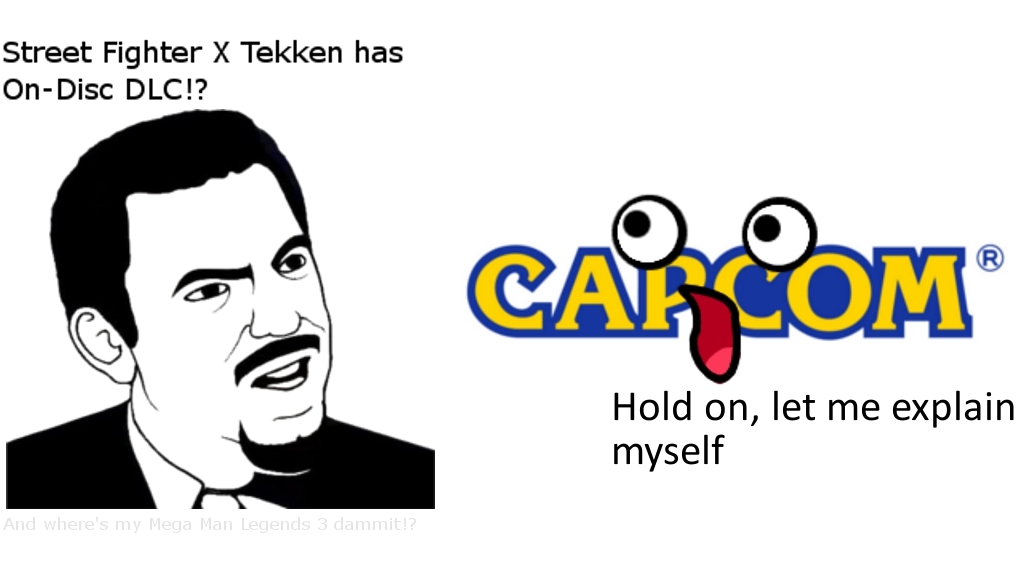 |
| This generation showed just how low game publishers could go to make money off their fans. |
Moving on
to games media, what I find most disappointing is the out of control hype
machine that it has become, the vitriolic editorialist nature of it, of which I
freely admit that I too am a part, a general lack of internal ethics, and the
often times conflicting nature of game reviews and game press. I do believe a huge part of this is simply
growing pains as our burgeoning hobby is coming into its own, hence the title
of my blog, however it is more clear to me now than ever that the media is a
lot more flash than substance. I was
told that games were great from magazines when in fact they were horrible. The flashy covers and interviews and coverage
of magazines or websites get us excited to a degree that we cannot match.
 |
| Anyone else remember the hype machine on this? Remember how it crashed and burned horribly? |
The hype
machine in particular is bringing more and more disappointment all around
because everyone wants to try and be largely positive before a review is out so
that they can get more coverage, fill pages of magazines, fill websites,
etc. however it creates an unreasonable
expectation, feeding a gamer's glee and desire for a game to be good regardless
of the actual substance of the game in question. Ironically, this largely feeds into the
second disappointing aspect of gaming media, the vitriolic editorialistic
nature of it. I love Bioshock. I also love Bioshock 2. In the lead up to Bioshock 2, the hype
machine was huge, the return to Rapture was going to be a triumphant new
adventure as a Big Daddy. Then, when it
came out, people began to shit on the game for being a disappointment. The hype machine built up a game that could
not be and then capitalized on it by treating it with polarizing views of angry
dismissal or angry defense. I also admit
to this, having expressed my anger at games like Demons Souls, Bioshock
Infinite, and even Skyrim. I'm
disappointed just as much in myself as others because rather than trying to
find the good in moderately fun games or even flawed titles, if they do not
merit a solid 9/10 or 10/10, it seems like we are content to get upset at
them. We live in a culture that largely
responds to game criticism, hype, or even general discussion with anger and
games media has helped that along. Worse
though is when people start being rude, angry, or generally cruel when they
could have avoided it. Jason Schrier's
flame war with George Kamitani over the portrayal of women in Dragon's Crown or
Marcus Beer's attacks on Phil fish are good examples of this.
 |
| Not a bad game. Please stop buying into the hype machine of what it was supposed to be, stop being angry, and just enjoy it for what it is. |
More
distressing is the lack of ethics in games media. Now, I'm not someone who believes that game
reviewers or those who deal with the news of games are privileged because they
get free games or consoles. That is
their work. That is no different than a
law book for a lawyer or an abacus for an actuary. It is a tool.
However, when they abuse those tools, I start to get upset. In the last generation, we received dozens of
9/10 and 10/10 review scores across the board for games like Bioshock Infinite,
which was a remarkably flawed game, to Skyrim, which was released with a huge
amount of bugs but which was declared a masterpiece regardless, to XCOM, which
was so buggy at times that it was unplayable.
It seems like journalists either cannot separate personal feelings from
issues of fault, bugginess, or flaws in the game design...or they've been paid
off. When I was younger, I played a game
called Ephemeral Fantasia, which was panned on one game website, but which
received more modest scores on others.
Each one noted its flaws or bugs, but highlighted different facets of
the title, offering different opinions, one of which eventually made me buy the
game. These days, only independent
reviewers, like those on Blistered Thumbs or Total Biscuit tend to be brutally
honest about games, whereas larger publishers tend to have across the board
either positive or negative reviews...a consensus. It makes me raise an eyebrow. And even those independent reviewers can make
mistakes. Someone on Blistered Thumbs
gave Xenoblade Chronicles a 10/10 review score when I have already addressed at
great length its many flaws. This leads
to my final disappointment. The
conflicting interests. Publishers are
the ones who give game journalists and media outlets review copies before the
launch day. If the media site or
reviewer pans the title, the publisher is less likely to send them a game in
the future. This happened with Total
Biscuit in regards to Garry's Incident on Steam, which was so buggy it was
nearly unplayable. However, to avoid bad
publicity, the publisher tried to get his review pulled from Youtube. While thhere is a large deal of ethics issues
or ethical confusion, I'm not going to say all game reviewers or media outlets are
morally bankrupt. Some are probably
just...in a tough situation. Coupled
with the conflicting interests, it makes games media a muddled thing indeed, as
it's difficult to find the truth from the hype, the honest review from the fan
boy review, and the heartfelt admiration from the corporate pay off. I know that this has been an issue in the
past, Nintendo Power was after all propaganda, however this generation has been
rampant with it. And that disappoints
me.
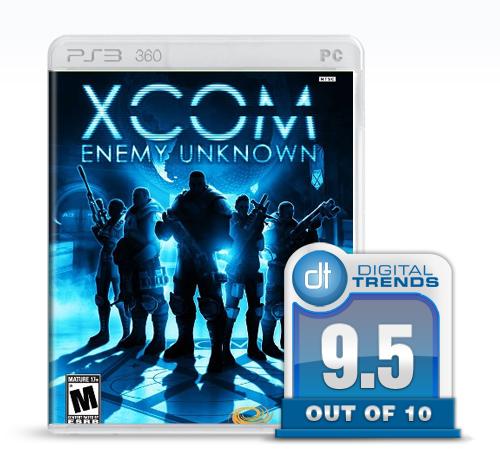 |
| One of the glitchiest games of the generation. 9.5 out of 10...see why I'm down on the media? |
Finally,
let's discuss the games industry as a whole.
We are a bunch of sexist, entitled, fan boy bastards. Not all of us and some not to as huge a degree
as others, but we, as a culture and an industry, have problems. These problems were made all too clear in
this generation. Sexism was a prime
issue here. The harassment of Anita
Sarkeesian and women in the game industry, keeping women off video game covers
unless they are half naked, ignoring or marginalizing the female gamer
population, ala "the fake gamer girl" incidents...we have a lot of
growing up to do. And we're not helping
our image with these ideas. We're also
highly self entitled. We believe the
world owes us something when really...it doesn't. Game piracy is easily the biggest example of
self entitlement in the game industry and it hurts everyone. The truth is, I think we've blurred the lines
between what we really are entitled as customers and what we believe we are
entitled too. Say what you want about
the Mass Effect 3 ending, but the fact that gamers believed that, after paying
for a finished product, they believed they were entitled to more...it is
telling about our mindset and culture.
As customers, we do deserve a working product, which makes the Diablo 3
or Sim City incidents especially depressing as
we did not even get that, however we are not owed anything unless we have
plopped down the money for it. Even
then, we may not be owed a blasted thing.
But the game industry continually seems to think that because we want
it, we deserve it. Publishers, media,
and gamers alike.
 |
| We deserve working games, for sure...but entitlement is a problem in our culture. We deserve working games. But we are not entitled to hurt others, in or out of the game industry, if we don't get them. |
My final
problem with the game industry is the fan boy issue. We have become so vitriolic and defensive
about almost everything that we will angrily defend, even making an argument
personal or threatening or harassing others just to prove our point. We cannot continue on like this. These are the efforts of children, screaming
at parents and threatening their classmates without realizing the totality of
their actions. There have always been
and likely will always be fan boys.
However, no matter how brutal, smarmy, or rude it could be in the past,
it pales in comparison to the nastiness on open display in the games industry
at the moment. Developers blatantly
insulting their customers to their detriment, fans berating anyone who steps
out of line with their train of thought, media pundits harassing
developers...we are getting worse and worse.
And it makes me sad. It makes me
want to distance myself from the industry and culture I once loved.
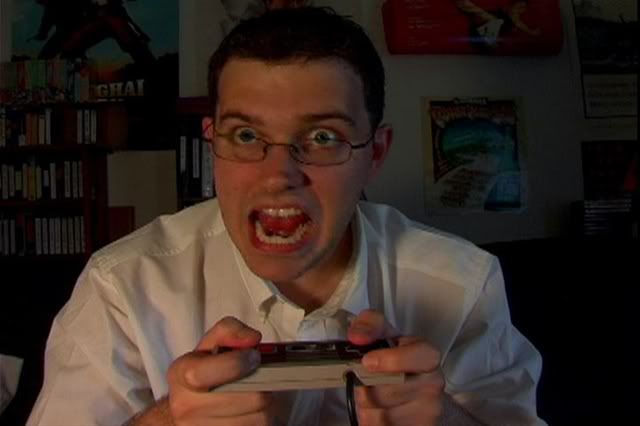 |
| The parody of the fanboy has become so hilarious because the reality is so depressing. |
So, yeah,
to me this generation has been a huge disappointment for me. Even putting aside those issues, the forced
attempts at innovation played into the hype machine...we were promised full
motion feed back with the Wii and got shoddy controls. We were promised a controllerless perfect
experience on Xbox 360 Kinect and got a useless peripheral. The dual shock sixaxis was supposed to use
tilt technology to improve game design, but the controllers were poorly made
pieces of crap. Games themselves also
seem to be watered down and more flash than substance. I really can't justify buying games that are
4 hours in length for $60 or even $40.
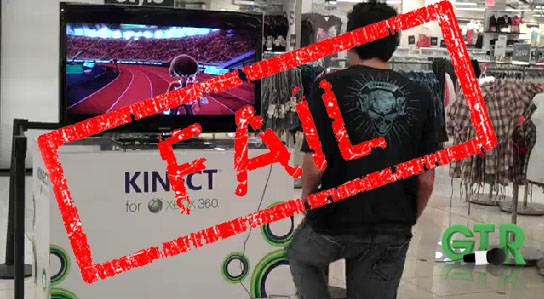 |
| Forcing innovation was an expensive bomb last generation for the tentative promise of something better this generation. I'm not holding my breath. |
It's not
all bad though. Let me give a quick
forecast of the next generation to try and lift some spirits, okay? Honestly, I believe this new generation will
either be the time of the Wii U or, what is more likely, the return to power of
the PC. The PS4 and Xbox One are basically
over glorified, underpowered PCs with a few exclusive games like Killzone or
Dead Rising 3. Anything they can do, a
PC can do better, more efficiently, and with less hassle. Consoles seem to be moving more towards the
PC, but without any of the benefits, so I predict either the PC will become the
major gaming platform and supplant consoles, or the Wii U will gain steam and
overtake them all. Why? Well, the Wii U has a number of things going
for it other companies don't have. While
digital distribution on PS4 and Xbox One often have PC equivalents on Steam or
GOG, the Wii U has the virtual console, which, short of emulation or trying to
hunt down old cartridges, is the only legal way to play older console games
from Nintendo and Sega. Titles like Earthbound
cannot be found anywhere else. If that
receives support, then the Wii U will have more power in the digital
arena. The Wii U is also the cheapest of
the three consoles and a dedicated gaming machine rather than a multi-media
platform. The Wii U also is trying
something new with the game pad, releasing it from the shackles of the
television while opening up new venues of play with the television. It also has the house Mario built, Nintendo,
supporting it. The Wii U is behind at
the moment, but that could rapidly change.
I think that Sony and Microsoft will make decent sales with their
consoles at first, but as more people become fed up with the watering down and
PC-ification of their consoles, I think they'll either move to Wii U or to PC.
 |
| The one true savior. |
I also
believe that this generation will not necessarily belong to large publishers,
but to the smaller studios. The
indies. Through crowd sourcing, they now
have a means to get capital without groveling at the feet of giants, making
releasing quality games on a budget, usually for the PC, child's play. It releases many developers from the burden
of the overpriced, exorbitance of the AAA industry. Indies are
the future, as far as I'm concerned. I
think that larger publishers, as budgets increase, will eventually implode when
they cannot get enough money to cover their costs, while Indies,
with their low costs and roots in the community, will survive.
 |
| The other true savior. |
In general,
while I believe this generation to be a disappointment, this new generation or
the one after it will be a bit of a shake up.
I honestly believe that things are going to change. I don't fear becoming a PC gamer, thanks to
my recent conversion to Steam and GOG, but I would weep for the loss of what I
consider to be console culture. It was
my childhood, after all. Regardless of
what comes though, I think that the game industry as it is now will not be able
to stay as it is. Even now, we are
seeing more acts of altruism in small ways.
Promoting a kickstarter for a game to try and get it off the ground for
no other reason than the game looks fun.
Defending or discussing issues in a civil manner. We all have our bigots, our sexists, our
angry fan boys...but we also have people who have a great love of gaming. And so, I predict that in spite of my
disappointment with this last generation, I do believe the future will get
brighter.
 |
| Seriously, everyone...thank you for reading. It's been an honor and a privilege. |