Showing posts with label 16 bit. Show all posts

Friday, May 9, 2014

Creator Spotlight: Zeboyd


            I tend not to do this, as this is a team of two developers at once, and these guys are pretty well known as far as indies are concerned...I mean, the titles of their games are too insane to ignore, but...these guys are just brilliant.  So insightful, so intelligent, and yet, still humble.  These are the models that every wannabe JRPG developer, that every piece of RPG Maker shovelware who gets onto Steam, should look up to.  This...is Zeboyd.

Retro does not even begin to describe this company...and yet, still more modern than a lot of other JRPGs.
            Zeboyd consists of Robert Boyd and William Stiernberg, with the duties for each neatly divided down the middle.  Boyd is the programmer and handles most of the storytelling and gameplay aspects, while Stiernberg is the artist, who creates characters, environments, and effects.  To me, it's amazing how well this works.  Neither side seems out of the loop, which helps because it's only a team of two, but...they work so well together to create such unique titles.

The men behind the company.
            Before we get too in-depth with the praise, however, let's go on a little trip back in time.  It's 2009.  Xbox Live Indie Games becomes available on the Xbox Live Marketplace, but only reaches a...minimal audience.  Robert Boyd decides to leave his day job and, being skilled with programming languages and having a love of JRPG and visual novel games, decides to try his hand at XBLIG.  He and Stiernberg's first title sold less than 1000 digital copies and was a visual novel style game parodying science fiction tropes.  It was called Epiphany in Spaaace!  Despite the minimal sales, Zeboyd tried again.  This time, it released a game called, Molly, the Were-Zombie.  Also an interactive novel game, it also sold less than 1000 copies.  Apparently, this lack of success made Zeboyd change their strategies just a bit.

Not exactly riveting stuff, but Epihphany in Spaaace! still maintains the trademark off humor of Zeboyd.
 
Have I mentioned that Zeboyd loves their cameos?
            Zeboyd's next title is one of the big ones it's known for.  Breath of Death VII: The Beginning.  This title is remarkable, and not just because Breath of Death I-VI don't exist(even the title is a parody...).  Breath of Death is built as a throwback to old 8-bit RPGs with a somewhat animated intro mimicking what might have been seen on the NES.  It plays very much like Dragon Quest and features as main characters, a skeleton warrior, a ghost priest, a vampire mad scientist, and a zombie prince.  This game takes place after the end of the world where the undead have taken the place of humanity, built cities, and are occasionally plagued by monsters.  This game is insane.  It's rife with parody, as the main character communicates via thought bubbles, since he is a skeleton and has no tongue, but while the players can hear him, others take him as a silent protagonist, and we are subjected to some clever humor lampooning the notion.  It plays very stiffly, but this is by design, as it mimics the controls of Dragon Quest.  However, Robert Boyd wasn't shackled by that design mentality.  Rather than making a straight up copy of Dragon Quest, he thought of ways to improve the experience for players.  First, the experience is relatively streamlined.  The only real items carried are potions, which one can use to revive a fallen comrade.  Other than that, there are basic equipment slots for everyone, though it usually consists of weapon and armor.  However, it wasn't just made simpler.  The game also had a number of improvements to the old formula.  There was a change to leveling.  When a character leveled up, they got an option of what skills to learn, usually either strength based or magic based, so players could pick and choose to build a balanced or specific stat heavy character.  Combo attacks were added, where some characters can forfeit their turn to do a single, powerful move to either heal or inflict tons of damage.  Enemies grew stronger as turns went by, encouraging encounters to be speedy, lest the whole party get wiped out.  Most notable amongst the changes to the standard JRPG formula, however, was the addition of the "Fight" option in the menu, eliminating the need to look for random encounters AND the fact that the number of encounters in an area was limited, and once that number was reached the only way to get more was to use the "Fight" command.  It was a brilliant way to balance the grind of the JRPG with the fact that people get tired of having to slog through weaker enemies if they need to back track.  Breath of Death sold 40,000 copies during its time on XBLIG and made enough money for the team to try another game.
 This opening...sooooo many warm fuzzy memories

            Following Breath of Death, Zeboyd made Cthulhu Saves the world.  Yes, you read that right.  Cthulhu.  Saves.  The World.  It's a game about the elder god from the  Lovecraftian mythos, re-imagined as a humorous RPG character.  Why is he saving the world?  Well, because the only way to regain his dark, evil, wicked power...is to become a true hero.  I am not kidding at all.  This game was closer to a 16-bit RPG and kept many of the innovations that Breath of Death pioneered, including the leveling systems, limited random encounters, and streamlined approach.  The game stands out for it's humor, which is genuinely funny, and the tributes paid to Lovecraft and the world he built.  What's remarkable about the game is the attention to detail paid in the art assets.  While characters aren't displayed on screen, attacks have more effects to them and every single enemy in the game has two different sprites.  One for normal and one for insane, since turning enemies insane is part of the mechanics of the game.  Stiernberg went out of his way to make characters, even hideous monsters, lose their minds when turned insane.  It's pretty amazing.  Cthulhu Saves the World is a fitting sequel to Breath of Death and was released with a bit more fanfare.  A parody song was made for it and after its release on Xbox Live, it was eventually bundled with Breath of Death for sale before being released on Steam.  This bundle was immensely successful, selling well over 100,000 units only four months after its subsequent release on Steam.
 Yes, this is a real thing used to promote the game.  Wow...
            This was how I was introduced to the game.  Zeboyd, however, has managed to do more than merely be successful by mimicking old school JRPGs.  They've earned a huge amount of goodwill from fans like me.  You see, all Zeboyd games are released at extremely low prices.  The Breath of Death/Cthulhu bundle on Steam was released for $2.99 without any discounts.  And these games also have a staggering amount of extra features, including new game+ modes and alternate story modes, where Cthulhu is replaced by another character, with cameos from some unexpected places.  Cameos from previous games are also a hallmark of Zeboyd, so players can always expect to meet some old friends.

$2.99 or less.  What's your excuse for not playing these games?
            So, after flying high, releasing their games on Steam to huge success, and still being humble, how does Zeboyd follow it up?  By being entrusted to finish up the Penny Arcade video games.  Zeboyd created Penny Arcade: On the Rain Slick Precipice of Darkness 3 and 4.  These games are...pure madness.  What's more amazing is that people need not have played the previous games to enjoy them or even be a fan of Penny Arcade's comic.  They are magic.

Never really been a PA fan, but alright, Zeboyd, show us what ya got.
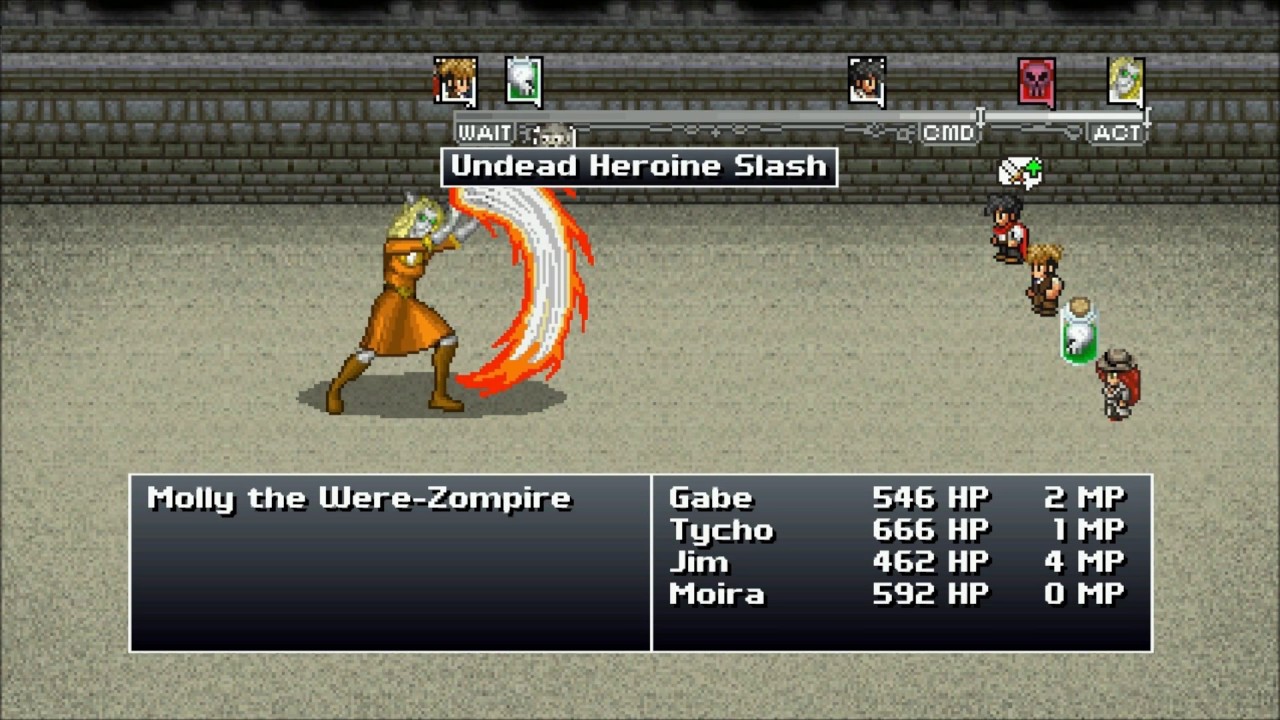
            Zeboyd decided to break up the formula as well as update the graphics on their game engines.  Penny Arcade 3 featured a class system, with such classes as crabomancer, hobo, gardener, soothsayer, etc.  It allowed players to mix and match up to two classes, along with their own abilities for some truly unique combos.  Players could summon the apocalypse, turn into a T-rex, and summon a swarm of honey bees all in one turn.  Speaking of turns, the game features an active time battle system that is more akin to Final Fantasy 10 than any other.  Players can see when they are coming up in the que and when the enemies are and, interestingly, can disrupt enemy movements to alter the order.  Also, enemies can be seen on the map, so random encounters are not a problem.  The combat is fun, fast paced, and allows for some bizarre ways to play the game.  There are also bonus dungeons near the end of the game and different filters to apply to the game, such as turning all the characters into girls or furries.  It's pure insanity.

Yes, that's a T-rex and a skull in a jar fighting the Thinker.  This game is crazy.
            For Penny Arcade 4, the same battle system was used, though the class system was replaced by a pokemon-esque system of raising companion monsters.  The humor from all their previous titles are intact, however there are some odd touches that add a bit of darkness to the humor.  More than that, the graphics for this title are simply beautiful, with players visiting some of the most unusual of places, such as a giant tree with a zoo inside it, the inside of a monstrous train that is literally alive, with guts and everything, and a temple run by different incarnations of the same guy.  Stiernberg really had some fun with this one.  The game lacked some of the extras of previous titles and the lack of random encounters made this and Penny Arcade 3 harder, since grinding was not an option, but on the whole, they were great games.

Yeah, have I mentioned these games are gorgeous yet?
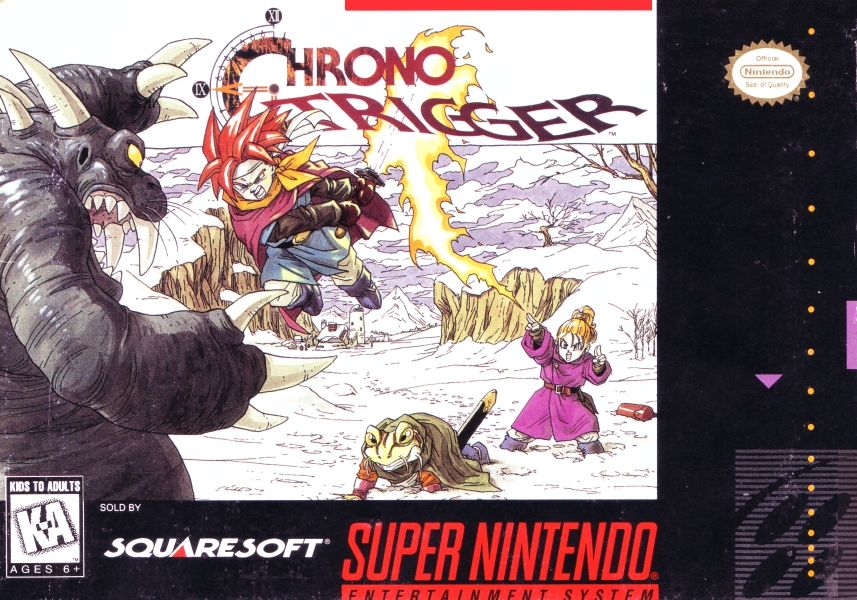
            Ironically, for all my praise of these games, I dragged my feet with playing them.  For me, Zeboyd games are always good.  Not necessarily great, but good.  They are solid, innovative, wonderful...but none of them have really captured my heart the way Chrono Trigger or Final Fantasy 6 have.  I've always enjoyed my time with them, because they are fast, fun, and quirky, but...well, I suppose it's unfair to compare a game built by two people to the best of Square in its hey day.

            Interestingly, Zeboyd does not produce the music for their games in-house.  They do not have a dedicated composer, so they take to the interwebs and use music from indie musicians.  What is perhaps more amazing is that all the tunes work.  They all fit the game and the settings and are often quite beautiful.  Kudos for their choices.

            Zeboyd seems like it's here to stay.  The only cost for the team is their equipment and their own upkeep.  With two developers, that's not terribly much.  And it allows them to continue selling their titles for dirt cheap and getting more good will with the gaming public.  Of the few companies I trust for quality, there are only 3 at present who I would buy any game from on release day.  Vanillaware, for making some of my favorite games ever, Mistwalker, for creating spiritual successors to Final Fantasy, many of which stand side by side with their older brethren...and Zeboyd.  Zeboyd games may not move me like Mistwalker games, but...they are always, ALWAYS good.  Always worth my time.  And always dirt cheap.  Zeboyd is a product of good will and effort.  They have earned my trust.

Zeboyd may not be Last Story good, but they are still damned impressive.  Hell, almost NO ONE is Last Story good...
            What does the future hold for Zeboyd?  Well, they recently went to Kickstarter to fund a sci-fi Phantasy Star-esque space RPG, which looks to have sprites and graphics very close to those of Chrono Trigger.  Perhaps they are going to try and butt heads with giants.  All I know is that I helped fund it and that they're working, even as this post goes up, to get it ready.  Be on the lookout for Cosmic Star Heroine.
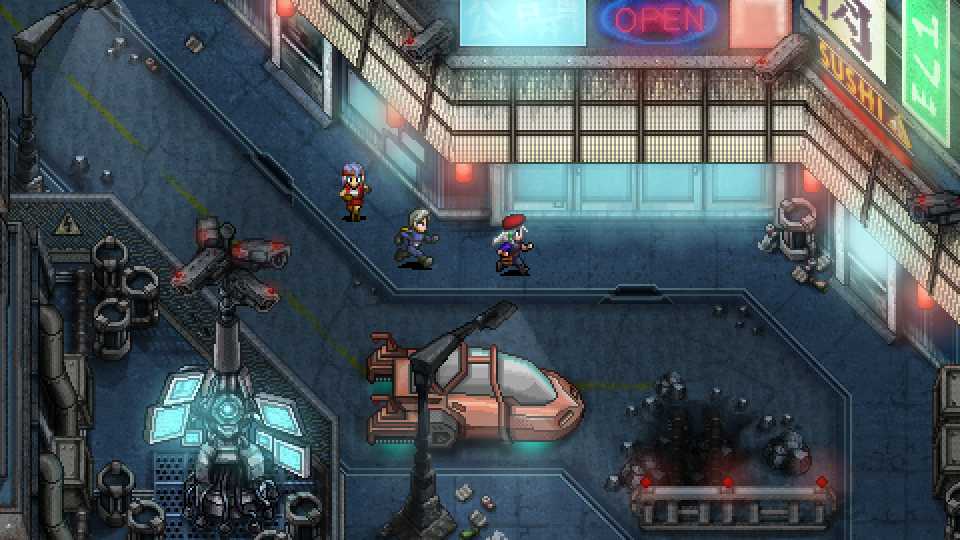
You can't tell me that doesn't look sweet.
            Zeboyd also announced their next sequel, Untamed Armaments!  On April 1...so, yeah, no.  However, that does lead me to one of my closing discussions about them.  Both Boyd and Stiernberg manage their home website, as each is co-owner of Zeboyd, and their discussions on the industry are insightful and amusing.  Even when not making games, these two are willing to offer gorgeous art and common sense on the madness that is the games industry.  For example, with Phil Fish's retirement, they discussed the nature of being in the public eye and, without pointing fingers or making anyone feel bad, kind of agreed that it's better for everyone to just be nice(Everyone.  Not just developers.  Journalists, reviewers, fans, EVERYONE.)...which may sound childish or simple, but the way they put it was simply amazing.  Also, there used to be a kickstarter report, where Robert Boyd would give thoughts on certain, special kickstarters that he thought were worthy of attention.  I rather miss it, as it helped me find some amazing projects to fund.
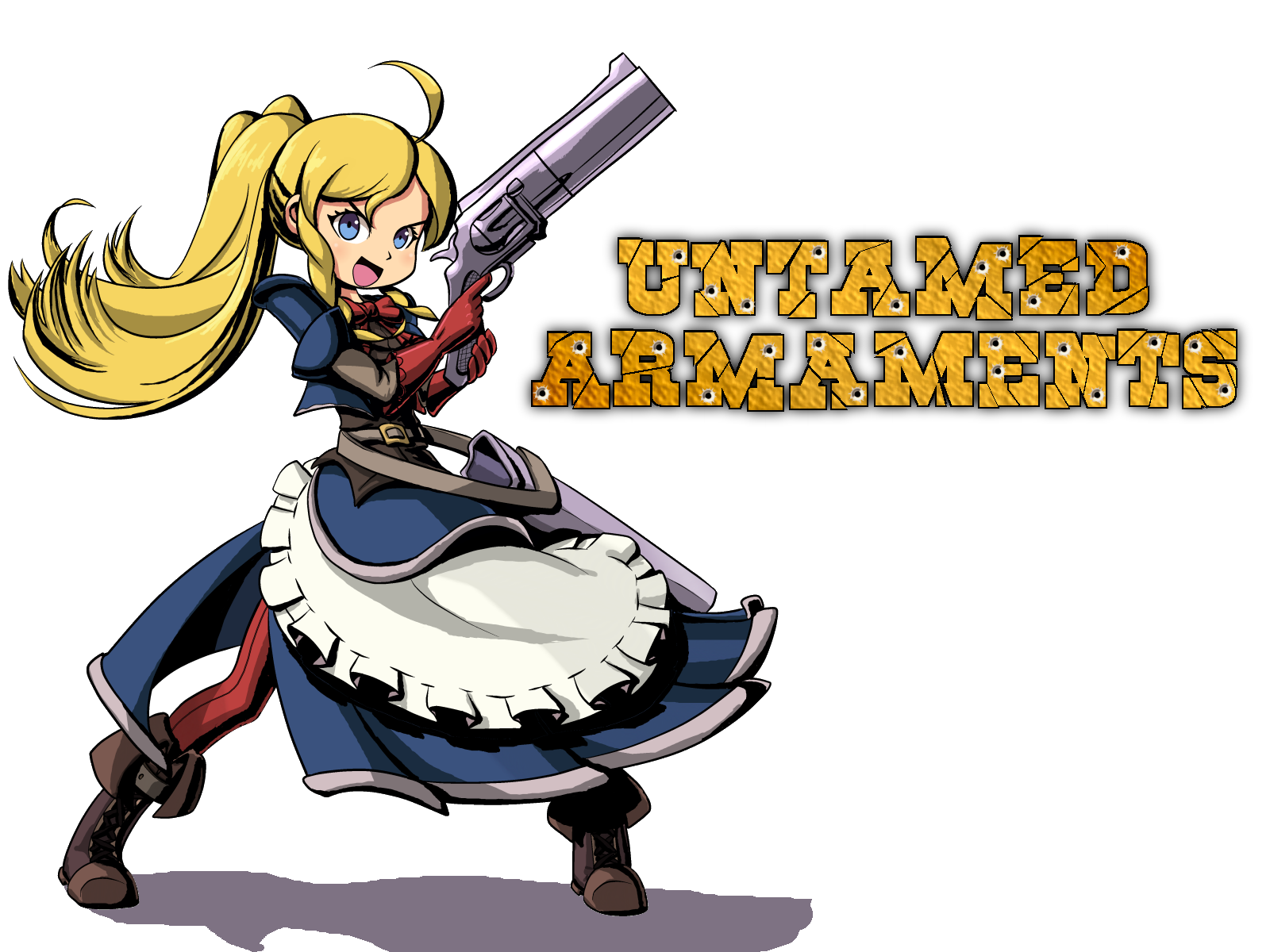
Not sure what's sadder...that Zeboyd actually made me think, for a while, that they were making this game...or that I know and own the game this title is lampooning.
            Zeboyd is the whole package.  Insightful, mature, intelligent, and yet still humble.  They do not ask for a fortune for their games, but instead want others to be able to play them.  They treat the RPG genre with respect, while still modernizing it in ways that will please rather than enrage fans.  And they do it with only a shoestring budget and two developers.  I'm including the links for the Breath of Death/Cthulhu bundle as well as Penny Arcade 3 and 4 here, because you SHOULD buy them and play them.  They are dirt cheap guys...c'mon...we can find like 3 bucks in our couch cushions...  Also, this is the link to the main website.  Zeboyd is a great place to look for insight on the industry as well as updates on their games.  Give them a look.

            While you guys haven't breached my gaming top 10 list, you are a beacon of light in the darkness and everything that a game developer should be, now or in the future.  Zeboyd Games, I salute you.  If you continue giving us great JRPGs till your day of retirement, you'll hear no co

Wednesday, August 8, 2012

Limitations: Why the 16-bit Generation has the Best Games Ever


            First, let me apologize for being away so long.  Work is stealing my soul as well as my time.  Anyway, somehow, I managed to get this piece composed this piece, so let’s talk video games!

            Okay, the title of this article may set off a few people’s alarm bells.  First, let me tell everyone to relax.  This isn’t going to be a rant about why the SNES or Sega Genesis is the best system ever and the game industry was better when during the 16-bit generation.  Some of my favorite games are from later generations, especially the PS2.  However, I think that in the rush to improve and make graphics more photo-realistic, music more symphonic, and gameplay more complex, that something important has been lost.  I think that many games have lost their way because there is just so much that can be done with modern technology.  Some people may argue against that.  That having a huge sandbox to explore is amazing for game development, offering near limitless possibilities.  However, in my mind, knowing ones limitations is just as important as having the boundless freedom to explore and do as one wish’s.
Okay, we've got all this space to design!  So, umm...where do we actually go?
            And really, that’s why I have such admiration for the 16-bit era.  Its limitations.  The games in the 16-bit era managed to gain enough power as opposed to the 8-bit that they could expand and push the boundaries of what games at the time could do, creating prettier sprite based graphics, gameplay and AI that was more complex, and music that was less pixelated and more symphonic.  However, there were still clear limits to what could be done and the game designers had to work within those limitations to get the best out of their games without making them impossible to fit onto the console.  This meant that programmers had to put a great deal more care into their game design. 
Most of the time a great deal of care was put into game design...translation...sometimes fell by the wayside.
             With increased space, stories could become more complex and scripts more well refined.  However, because of the limitations, the story was carried more on the weight of the script rather than the performance of those reading it.  It allowed the players to create their own voice or interpret the script in their own way.  Likewise, composers had some space to flex their musical muscle, however music couldn’t be ripped from outside sources and had to rely on the sound chip within the console, so most music had to be original or at least converted in such a way that was pleasing to hear.  Along that same line, it did not take scores of orchestras to record the music or dozens of composers, as what could be done was so limited.  And most importantly, the sprite based graphics of the 16-bit era used graphical tricks that were cheap and easy to implement as opposed to the time consuming process of 3d modeling.  A single 3d model can take days, or even weeks, to create, render, rig to look and act natural, and even more time if it needs to emote.  However, with sprite based gaming, a set of pixels just needed to be altered and the character could look like they were laughing, crying, in pain, exhausted, etc.  These graphics were pleasing to the eye and allowed much more expression than 8-bit sprites, which were limited in color and detail.  However, they were not so complicated that it took an excessively long time to create them.
Remember when games could look pretty without a billion polygons?  Yeah...those were good times...
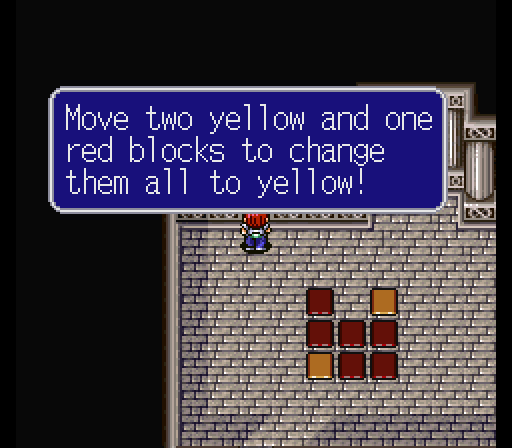
             The point I am trying to make with this tirade is that instead of bloated budgets for gaming which focused more on graphical fidelity and realism or on game design that is complex and unwieldy, 16-bit games had to be lean, using simple tools to achieve great feats.  The two Lufia games on the SNES, for example, had some of the most devious logic puzzles in all of gaming and they managed to do it using a simple system of lifting, pushing, and pulling objects.  In modern games, however, a puzzle game without a physics engine would be laughed out of the room.  What is easier to design and less prone to hiccups?  A physics engine that has thousands of variables or a simple system of pushing, pulling, and lifting that is based on a simple grid based puzzle system?
Simple, devious, and without the need for a physics engine...Why aren't we making more puzzles like this again?
            If nothing else, modern games have also proven how advances in technology can make games more beautiful.  People have given Heavy Rain, Modern Warfare 3, and other games which focus on realism heavy props for their graphical power.  However, how many systems can use those without delays?  How many computers can play graphically taxing games like Diablo 3 or Starcraft 2 without significant upgrades?  And how ridiculous will these purported realistic graphics look in twenty years when graphics are even more advanced?  Worse yet, however, is the propensity for excessive cut scenes.  Now, there is nothing wrong with cut scenes in games.  They can move along the plot or pump up the player for a confrontation, however using them as a crutch, focusing on graphics over gameplay or storytelling, is folly.  I think that an emphasis on using the latest toys and making things look pretty has made people forget what the core of game design is all about.  Substance over graphical flair.
Yes, Metal Gear 4, you're very pretty...now how about some gameplay with my 30 minute cut scenes?
            A number of people may argue against the idea that limitations are a necessary part of good game design.  Like how such limitations will hamper a game’s fun factor by hurting atmosphere, gameplay, music, etc.  However, take a look back at the game industry during the early 2000s.  Many of the games which endure are not the realistic ones, but those that use cartoony, cel-shaded, or alternative graphical schemes to the more realistic ones.  Jim Sterling made a brilliant argument on the Escapist about this, saying that the best games for HD televisions were not the grim, gritty, and realistic, but the colorful, cel-shaded, and lively.  Games like Rogue Galaxy, Killer 7, and Final Fantasy Tactics still look as good today as the day they came out.  And many games thrive on limitations.  Horror games in particular.  In Silent Hill and Silent Hill 2, there were a huge amount of limitations that needed workarounds for the games to function properly.  Pop in graphics were common.  So, to hide the pop in, they world was draped in an eerie mist or in darkness or in snow that hid the monsters and made the players feel both alone, and surrounded, creating an atmosphere of crushing dread.  Forcing games to work within limitations often brings out the best in them.  By comparison, the modern Silent Hill games after Silent Hill 4 have been lacking some of the atmosphere of the previous ones, because the monsters have to be so well defined in their grotesqueness, the graphics need to pop and be eye catching, and the voice acting has to be spot on. There is no room left for the scary atmosphere created by the mist, snow and darkness of previous games.  Although, some people do seem to be learning from such mistakes, as games like Silent Hill: Shattered Memories or Silent Hill: Downpour indicates.
Would you believe one of the most terrifying experiences in gaming was born of necessity rather than graphical fidelity?
             Others may argue that it would be impossible to create 16-bit style games with the same sensibilities that we have now and that they are a relic because of their limitations.  However, I also dispute this claim as well.  Modern programming teams have created 16-bit style games using tools such as RPGmaker or other game engines to experiment with 16-bit games in ways that, while not implemented during the 16-bit generation itself, are still ground breaking and creatable without a bloated budget.  To the Moon, for example, is a game that looks, on the surface, like a Final Fantasy 6 style RPG.  However, it actually is a graphic novel style of game that is more closely related to a point and click adventure.  It focuses on tight writing and the emotional poignancy of the graphics and music to deliver a moving experience.  Lone Survivor, on the other hand, creates a claustrophobic 16-bit world that uses tricks learned from the 16-bit generation to inspire a world of surreal horror which is genuinely terrifying and unsettling.  So, one question I might ask is that, if these games are easier to create than mainstream games, can be just as much fun, can experiment more than their contemporaries, and are cheaper to both make and for customers to buy, then…why don’t we see more 16-bit revivals?  Lone Survivor is available on Steam and To the Moon from Freebirdgames.com but both are somewhat niche titles that have not met a huge level of financial success.  However, 16-bit games in the modern era that achieve success are growing less rare.
16-bit.  Modern Sensibilities.  Damn scary.  We need more of this.
             A number of 16-bit style games as well as other games that embrace their limitations have been created recently that are both innovative and successful.  And, perhaps most importantly, exist outside the bloated AAA games market.  Cthulhu Saves the World was a game that was built to look like a 16-bit RPG and was heavily praised for its writing, game design, graphics, and music, all of which used the same tricks of its forbearers, such as swapping out sprites to emote or create unique appearances and looped animations for walking or simple expressions.  Terraria is a beloved exploration based action RPG which uses a sprite based 16-bit aesthetic and game design to create an engrossing experience.  More surprisingly, it was crafted by only 2 people over 4 months.  Even the graphically impressive Dear Esther knew its limitations and gave people the freedom to move, but to find the story, left them with little else they could do.  These games, have met with critical and commercial success precisely because they used their limitations to create a unique experience and focus on a specific aspect of their game design, be it story with Dear Esther, customization and exploration with Terraria, or solid game mechanics with Cthulhu saves the world.
Four months in the making and 200,000 sold in its first week.  Take note, AAA developers.
             One of the reasons I love 16-bit games and games from the PS1 and PS2 over the PS3 or high end PC games is that they embraced their limitations to a degree and knew when to stop.  Their scripts had to be tighter, their game design more innovative, and their music less hackneyed and repetitious.  Often times, modern game design tries to do everything and fails to really stand out or fails to be enjoyable as a whole.  Granted, this is only my opinion, however, I think that to forget ones limitations is to invite folly.  You do need space to stretch.  My favorite game, Odin Sphere, uses sprites that could never fit on a 16-bit system and would only really be possible on the Playstation 2 or greater.  However, if you get too much space, you probably won’t know what to do with it all.

Bloated game design also raises the bar for entry.  In the days of the Commodore 64, people could create their own homebrew games that they could sell.  While I believe the Commodore 64 was very limited, it showed that regular people could learn programming and build games.  Modern AAA game design requires up to 4-6 years of school in a specific skill, such as modeling, photoshop, etc. to even get an entry level position.  However, if something like Terraria is any indication, it is possible to build and put a game on the market in less than half a year with simpler tools that anyone can use.

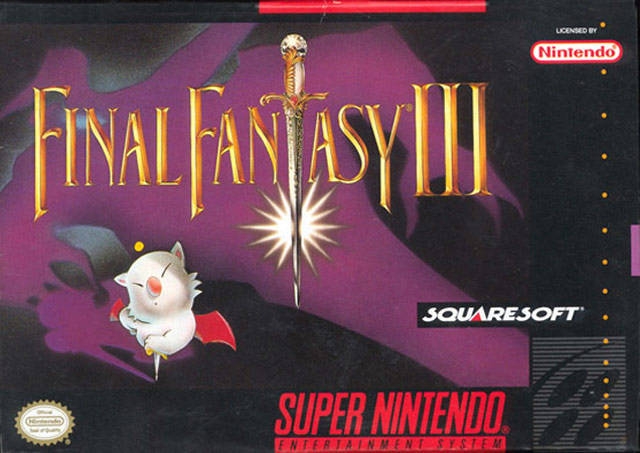
Ultimately, I don’t think the game industry needs to return to its 16-bit roots.  I love 16-bit games and I’d love to see more.  I’d love for Actraiser, or Terranigma, or Final Fantasy 6 to return to grace, but they’ve had their time in the sun.  We need to keep moving forward.  However, forcing people to create a game that needs a million units sold to make enough money to repay all the time and effort put into it is just not good business.  Limitations on what game developers can do or CHOOSE to do could lower the bar for entry into the games industry, allow innovation, as cheaper games give more opportunity to try new ideas, and give them a tidy profit that doesn’t require a huge team to work on.  This is why Indie games are so good for the industry.  They know their limits and work within them to create the best experience possible.  While I am not sure exactly where, I do recognize that the web series Extra Credit has tackled this issue far better than I from a business perspective, but it bears repeating.
These games had their time in the sun.  I don't think the world needs to return to 16-bit.
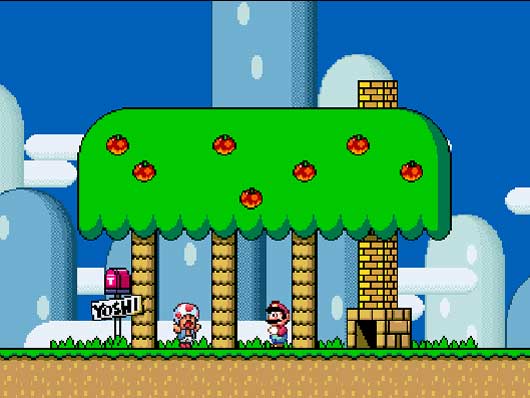
Yet, we can make games like this much easier now than in the 1990s.  Why don't we make more?
 On the whole, I think that 16-bit games exemplify this kind of ideal perfectly.  Most took no more than a year or two to create, as opposed to the abysmal 2-5 year cycle of modern AAA games, most used simple concepts, such as turn based combat or simple eight directional over head movement to experiment with established formulas and create new ones, and it gave aspiring artists and composers a chance to stretch their legs without having to work themselves half to death.  And if the game industry is to survive, major publishers need to start embracing these kinds of design practices.  They need to give AAA style attention and funding to smaller games which can be produced quickly, but which also have the necessary quality and fun factor behind them.  Games which embrace their limitations to do certain things very well.  I don’t think all games need to be like this, in fact the landscape of gaming would change for the worse if that were the case, but publishers should at least dabble in it.  Otherwise, the game industry will have a revolution where the AAA market is toppled by the indie developers and digital distributors.  Which…on second thought, might not be too bad for us, the consumers.

Once again, any material that people believe I have used inappropriately or without permission, please contact me and I will address the issue.  Otherwise, I hope some fun was had reading my take on games and their limitations.