Okay, so I'm not
doing a creator spotlight this week, nor probably for the rest of June. This doesn't mean I don't want to, it means I
have something else I want to talk about.
This week and the week after I get back from New York, we will be spending doing a talk
about power fantasies in video gaming. The two sides of power fantasy. Empowerment and this week's topic,
disempowerment.
Insignificant as an
Ant: The Magic of Disempowerment
Extra
Credits brought up an interesting bit of discussion during one of their
segments recently, talking about the Cthulhu mythos and how so few people understand
what it means. It's not about monsters
or beasts, it's about the abject horror of being so small, so infinitely weak
that the monsters we face are beyond our understanding and that we are as
insignificant as an ant to them. Or even
less so.
This got me
to thinking about disempowerment in video games. There are whole genres of game design which
seem to want to disempower the players, such as Outlast or Silent Hill, and
many games which use disempowerment as a tool, such as Sang-Froid, where you
are disempowered for the purpose of storytelling or character growth. But why do we like disempowerment? Why do we play games that may make us feel
afraid, insignificant, or powerless?
Well, lots of reasons. Many
people are control freaks and the idea of losing control is appealing to them
as a way to relax and let go of the stresses of the day, even if they have the
ultimate power, the power to turn the game off.
Others Like to start off weak so they feel much better when they become
strong. Others still like the adrenaline
high...the feeling of struggling to stay alive in spite of all that is stacked
against you. Count Jackula actually put it best for me. We all need to feel
fear, to understand what it is to be weak, because then, when we are faced with
true horror in our real lives, we will not flinch. In many ways, they teach us to cope, to
handle obstacles, and to find hope.
 |
| We put ourselves through fear to better prepare ourselves for the coming nightmares. Or perhaps because we just enjoy it. |
Whatever
the reason, there is an art to disempowerment.
It can be handled in a number of ways.
One way is to not give the player any power to begin with. To place them in a position of danger and
give them no way to cope with it, other than to run. This gives a modicum of control to the
player, namely the ability to run and hide, but prevents them from acting
like...well...a human being. Because, no
matter how scared or weak we are, some of us, when cornered, will grab a pipe
and start bashing away at the cosmic monster or the psycho killer trying to
destroy us. While flawed, I believe this
method has some interesting applications.
The ultimate goal is to make the players feel helpless, but to not make
them feel like a pawn of the game. These
experiences are generally very, very linear, since your actions are so
limited. These are story driven
experiences, not sand box games. These
games give players the illusion of choice, and thus the illusion of hope, when
in reality they are just pulling you by the nose towards a goal, with the
atmosphere around you and your own mind starting to play tricks. Outlast and Amnesia are games like this. You cannot fight, your inventory and ability
to run/heal are very limited, and you will always follow the same path each
time you play.
 |
| You have no power in Outlast. All you can do is run. Try to outlast your hunters. |
I heartily
disagree with this method of disempowerment because while these games can be
quite horrifying, I think they make a cardinal mistake. Outlast, Amnesia, and Slender, are all games
based around running, hiding, and light puzzle solving in order to try and
evade some horrific monster or psycho killer.
One way that disempowerment fantasy works is that you are put under a
threat and a fear and you wish to avoid it.
Typically the fear is about death.
However, Outlast, Amnesia, and Slender usually kill you right at the end
of the game anyway. Now, this isn't
necessarily bad, as the point of these games is, as I said, story driven. To make you feel horror and fear in regards
to the story being told. However, the
flaw is that if you just die at the end...what is the point? Why are you being pushed forward so much if
once it is all over, you simply die? Why
do those other deaths matter any less?
The answer is, of course, so you can enjoy the journey and see more
horrific sights. At the end of the day,
I feel it's a bit of a cheat, however, because they don't really give
resolution. You may get to a point where
you cannot run any more or where there is nothing else left to do, however we
don't get an end to the overall story, usually.
It just ends. Worse is that
during these death scenes at the end, your ability to run or struggle is taken away,
robbing you of your control and removing you from the body of your avatar. This kind of takes away the disempowerment,
because you're no longer playing, you're watching. There is a disconnect between player and
avatar, as what the player may want to do is not what the game is ALLOWING them
to do. At least some players will want
to try and fight, no matter how futile it is.
Taking away the control to fight, or hell, even run, removes some of the
fear, horror, and disempowerment. And I
think they should be allowed to fight if necessary. Why?
Because another way to disempower the player is to give them power, but
show them that their power is ultimately meaningless, weak, or that they are
truly insignificant.
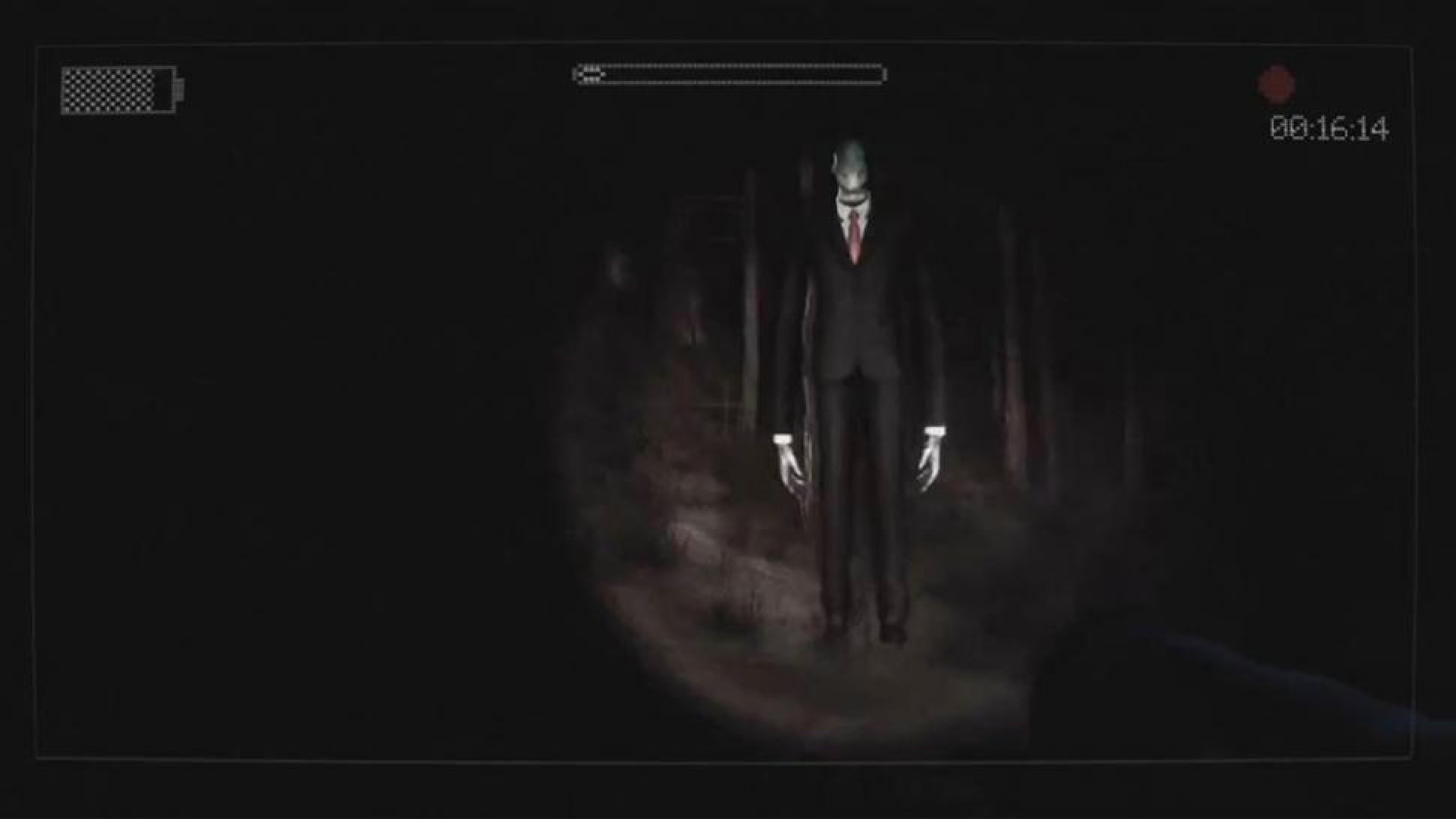 |
| Problems with games like Slender or Amnesia or Outlast are...if you're just going to die anyway, what makes this death at the start of the game any more or less meaningful than the death at the end of the game? |
The Silent
Hill games are a beautiful bit of disempowerment fantasy, where the player is
actually given a decent assortment of weapons, from pipes and clubs to various
guns. These can be used to defend
yourself against the enemy, however it is ultimately. futile. Why?
Because the true horror does not come from the fear of death. The true horror is not about physical bodily
harm or a monster getting you. The true
horror is about living with the monster.
About being surrounded by an unholy feeling of dread that although you
could be killed at the whim of whatever you are facing, you are left alive only
to suffer, for the amusement of whatever you are facing. The Silent Hill series does this better than
almost any other game, with the possible exception of Lone Survivor. The atmosphere around you is incredibly heavy
and the enemies, while dangerous, seem to have a kind of apathy towards
you. They care very little about
you...not even to the point where they even need to attack you. They will if they see you, however you know
that if they all charged you at once, you'd die...but you are kept alive
because Silent Hill itself doesn't care about you. Not even enough to kill you outright. In all the Silent Hill games, you CAN die at
the end if you act in a certain way, however most of them offer a solid
resolution, showing either a falling deeper into horror or finding a way out,
which I believe is nice for disempowerment fantasy...it helps bring the players
back to reality, so to speak, while still being a bit obscure...leaving the
player wondering and making connections with their own life.
 |
| The true terror of a game like Silent Hill 2 is living with the monster that is the town. It hates you. But it doesn't care so much to kill you...it will let you kill yourself, little by little, because you really are insignificant. This is what makes the game so disempowering...and so brilliant. |
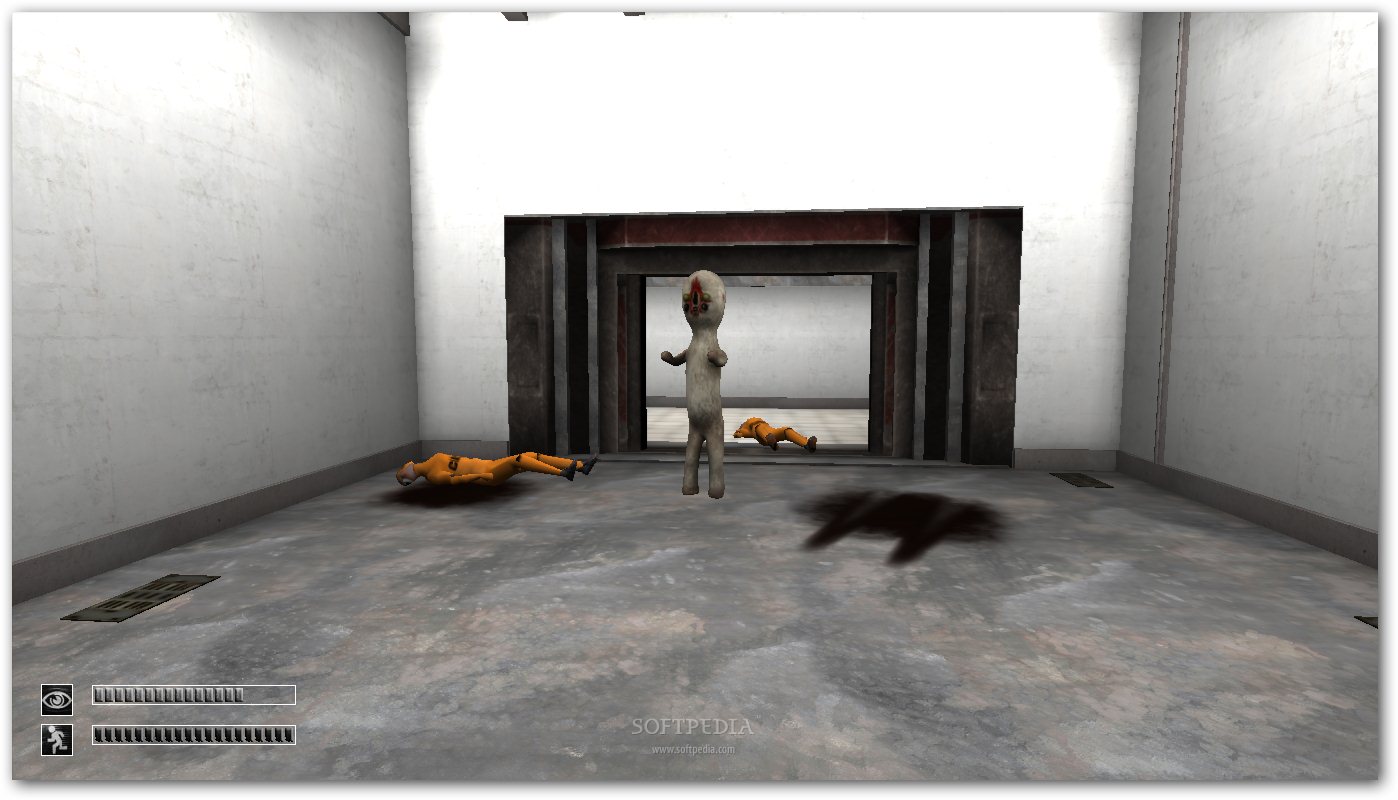 |
| Blink or take your eyes off the statue and you die. It will move so long as you're not looking in its direction. How do you fight something like that? More to the point...what the hell is this thing?! |
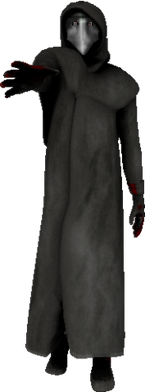 |
| Did I forget to mention...in SCP: Containment Breach, the doll from hell isn't the only monster out there. We have many, MANY more... |
And of
course, many games try to disempower using tried and true horror cliches, such
as the jump scare, the sound of people dying within your ear shot to make you
feel that you're responsible or too late or what have you. They can use gross out moments, such as
filling a room with roaches or they can use gore, such as bodily dismemberment. However, the instant you take away control
from the player, I personally believe that it stops being a disempowerment
game. It stops being that horrific
experience of facing demons and trying to come out unharmed, both as the
character and as the gamer. So, many
times I feel these techniques are wasted.
 |
| Fear is demoralizing and disempowering...and body horror is a great way of inducing fear and making the player feel weak and scared. |
So, now
that we've looked at different ways to disempower, how can we take it that one
step further? How can we improve on the
subject? Well, there are a number of
ways.
SCP:
Containment Breach, I believe has great potential because it does one thing
that most horror games don't. It adds an
element of randomness. You see, the
death of horror and disempowerment is rote memorization. The longer a player experiences a game, the
better equipped they are to deal with it later.
The game stops being disempowering because you now have the power of
pre-cognition. You know what's coming
and are therefore able to handle it, even if the character in game cannot
fight. When I played Dark Souls 2, I
beat the game 3 times before starting a new game+. When I got to one section of the new game, a
GIANT MONSTER climbed out of the ground and began to attack me. I was shocked and a little scared. I felt helpless, as I wasn't expecting it. It wasn't supposed to appear. And it does disappear quickly enough, but the
shock and surprise, not unlike a jump scare, got me. That element of newness, of the unexpected,
actually got me. SCP: Containment Breach
does this quite well. It has randomly
generated maps so that players dealing with the monsters within have the
potential to find new monsters in places they thought were safe. The game always starts and ends the same,
however where it proceeds from there is different each time, and that keeps
people on their toes.
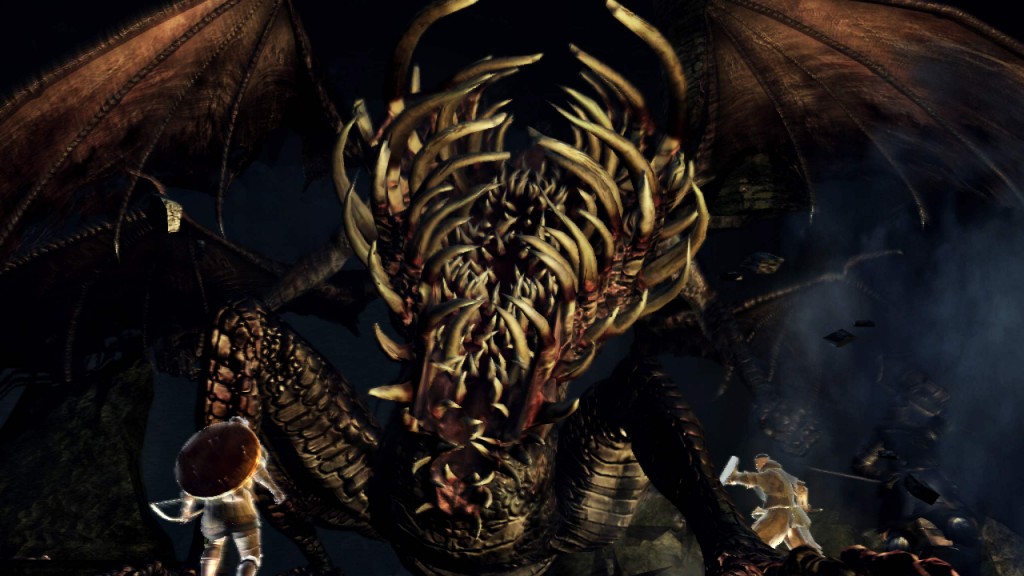 |
| Seeing something new, horrific, and scary will demoralize and disempower the first time you see it...but once the newness wears off, so too does the fear. You have to keep things fresh...keep people on their toes...to keep them disempowered on a regular basis. |
Sadly,
however, even random elements can be predicted to an extent. No matter how random the layouts, play SCP:
Containment Breach enough times and you'll eventually get used to the monsters
and they'll stop scaring you and making you feel weak. A more lasting way to get into people's
heads, in my opinion, is to make their fear personal. Now, this is limited by the hardware. You can't have a game slamming doors or
rattling walls in real life. However, there
are ways to make it feel personal nonetheless.
Silent Hill 4, for example, takes place in a person's 1 bedroom
apartment. Slowly, the apartment becomes
more corrupted and your haven becomes your prison. Since I live in a 1 bedroom apartment myself,
this really freaked me out. Likewise, in
Gone Home, the idea of your family home being exactly as it should be, but
without your family and with a painful story to tell can be unsettling. A home matching yours covered in Slender man
scribblings can be downright terrifying.
These personal touches can make games far scarier, because you never get
used to them, at least while you're in the place that it makes homage to. So, one way to create lasting fear in spite
of being able to predict or get used to the disempowerment is to make it
personal. This is naturally quite hard,
due to everyone being different, however I believe some things are
universal. If you can tap into that,
then you can make something truly horrifying.
 |
| My apartment looks similar to this in terms of layout...but not nearly as much blood or rust. Seeing this in a game...seeing my home become a nightmarish prison...it really got to me. THANKS, SILENT HILL 4!!! |
Also, I
believe that the key to disempowerment is tricking the player into feeling
weak, when in fact they can do whatever they want. Once again, Silent Hill does this very well
by giving you the ability to fight, but by making you feel as if your fighting
is futile. A way to improve this is to
have tighter controls. Silent Hill
usually has very clunky controls, even with the more combat focused games like
Homecoming. If the gameplay allows the
player to do anything, but still makes them feel weak...then you've
successfully disempowered them in the best way possible.
 |
| The trick to making a game truly disempowering is to give players perfect control...and still make them feel helpless. If you can do fight or trick enemies but still feel weak and helpless...then you've got a good horror/disempowering title on your hands. |
A key way
to get around the problem I talked about with games like Outlast or Slender is
actually to make death and rebirth an integral part of the game. Imagine the horror you might experience of
finding your zombified/petrified/mutilated corpse on a subsequent playthrough? ZombiU does this, by allowing you to spawn a
new avatar with each death and forcing you to reclaim your supplies by killing
your zombified former self.
Unfortunately, where ZombiU stumbles is in the storytelling, as the new
character is different, thus the horror is diminished, since death no longer
becomes that big a deal. After all, if
all that you can be threatened with is death, then why be afraid? Death is merely an inconvenience. Neverending Nightmares and Gyossait found a
brilliant way around this, in my opinion, each approaching the problem in a
different way. Neverending Nightmares is
a game about dealing with horror, monsters, and tragedy, but also puts
instakill enemies and traps in the game.
However, when you die, you wake up in bed, panting and covered in sweat,
as if it were a dream. Even when you
advance, it is always like waking up, only to be still trapped in the
nightmare. The beds act as checkpoints
and each death only leads into another nightmare. Conversely, Gyossait states after your first
death that you are here to be tormented and that you will be reborn time and
again only to suffer. What's more, I
believe your corpses linger in these games, even with the new lives. How horrific is that?
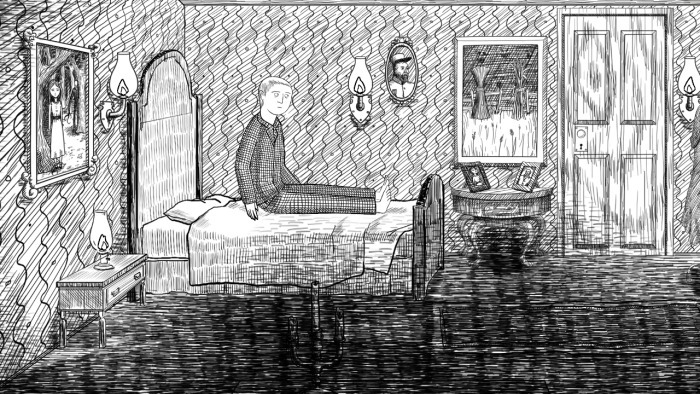 |
| Death is not the end. It only leads to more nightmares. |
 |
| You live to feel pain. And each time you die, you will be born again, just so I can watch you suffer... |
Along that
same line of thought, I'd say that all games, even Outlast, Slender, and
Amnesia should feature the ability to attack monsters. Now, don't misunderstand me. Just because you can attack a monster, I
don't think you should be able to beat it.
Give them infinite HP, while still making the weapon sound like it
touched them. Players may die a few
times while trying to fight off their foes, but it will just add to their sense
of helplessness and sooner or later, they will try to run, realizing their own
weakness. This is something that will
disempower greatly.
 |
| Could you or I really beat a monster like this? Maybe not, but we don't know until we try...and if you let us try and fail, imagine the horror and weakness we'd feel the next time... |
Finally,
the most effective way of disempowering a player is selective loneliness. Removing any figures of compassion or
understanding. Putting them in a world
that hates them. This is hard to do,
even with the best of games because they typically need at least one or two
figures who will give the player hope or push them forward to try and
survive. This is where
"selective" comes into play. You
should not have anyone to give support to the player while they are actually
playing. Have enemies and monsters as
even with a great atmosphere, if you feel truly alone, then you have nothing
that can hurt you. Even Amnesia had to
throw a monster at you after an hour or two of atmospheric teasing, lest the
player start to lose their fear. With no
one to rely on, despair can set in, as human beings are social creatures. With no one to fight for or to help you, you
may begin to lose hope, no matter how capable you are, pushing forward only
because you fear death or want out of your nightmare. This is where true disempowerment lies. Neverending Nightmares sets this up with a
brilliantly dark opening, featuring a young woman being stabbed, apparently by
the player, right before we wake up and meet the same young woman, our younger
sister, who is nice to us and tries to guide us forward. Once she vanishes, our apprehension and fear
return...more so than before, because we fear we will hurt this person...we
fear we will be alone. We despair of
saving or being saved. We feel weak.
 |
| In Neverending Nightmares, you are alone...that which is here, hates you. That which you love is gone. God...why have you forsaken me? |
When it
comes to gaming, I'm not sure if we can ever fully simulate the feeling the
Extra Credits crew was talking about. Cthulhu,
to them, was not an entity, but a concept.
It was an idea, or a presence.
The very existence of it breaks our understanding of reality, of our
importance in the world. The only reason
we live in a world with Cthulhu is because we are so small that he does not
care about us. We could be stepped on or
spared, and the elder god would not care.
In this aspect, one of the few things we can hope to do is survive the
nightmare...to hide and if we're lucky, avoid the foot of god. This presence, this feeling that we are
always and forever weaker than we think, the idea that the universe is so
infinitely large and that we are so pathetically small, could make for an
interesting corner stone of disempowerment in video games. It just hasn't been tried that much. Games like Silent Hill or Lone Survivor do it
on a small scale, where the presence of the world around you exacts a pull on
your psyche, however on a truly cosmic scale?
Nothing quite that ambitious has been done.
 |
| To truly know how small we are on a grand a scale as this is hard. To truly feel like an ant under the boot of an eldritch god, who cares nothing for our existence, for good or ill...that kind of horror is still waiting for us to discover in gaming. |
I believe
that as horror evolves, it may be tried, as disempowerment is a part of our
development. We have to feel weak
sometimes to understand the value of strength.
We need to be tested with helplessness in order to temper our resolve
and not lose hope. Or perhaps we just
like being scared and the adrenaline high does it for us. Who knows?
I am not a
horror gamer by trade. I have Silent
Hill 2-4, Homecoming, and Clock Tower 3.
I generally DO NOT LIKE playing horror games. That being said, it doesn't mean I'm not
fascinated by the stories they tell or by the odd approach they have to game
design. Making someone feel weak runs contrary
to basic game design. And yet, it can
still be compelling for the reasons I stated above. So, I have gained a growing interest in
horror games.
 |
| Perhaps I too gaze into the abyss in fear, in hope, or to test and see...if something is going to gaze back at me. |
I hope you
have enjoyed this exploration of disempowerment fantasy and ways that it might
be improved through game design in the future.
Check out some of the horror titles I've mentioned for a terrifying good
time and come back in two weeks for when we discuss the exact opposite. We're going to talk about how to make you
feel like a bad ass.