Showing posts with label Indie. Show all posts

Sunday, August 24, 2014

Twelve Tips for Indie Game Developers: The Outsiders Perspective


            Alright.  Let's be honest, I am not a game developer, I am not a PR guy, I am not an analyst.  What I am is a gamer.  And as a gamer, I wanted to just give a few ideas to the community as a whole, the indie gaming community, that, from a gamer's perspective, will actually help you.  Because, corporations may need advice, but they won't take it.  Indie devs tend to just be a group of a few people and they can and sometimes will use advice, so...here it is.

Considering the shit AAA devs are doing...yeah, I love Indie
            I've been seeing a lot of...shall we say, shady behavior on the indie scene, lately.  For every War Z or Guise of the Wolf, we get tons of decent games like Shovel Knight or Cubesis, certainly, but the fact that people think they can screw with their customers, on the indie level no less, is kinda disconcerting.  This doesn't just go for people trying to mess with critiques or lie to others, this goes for blow ups like with Phil Fish or even levels of mediocrity, like the dozens of RPG maker games that are starting to appear on steam.  So, let's start with some easy tips.

1) A New Developer Starts with nothing.

            As a new developer, you start with zero.  Zero faith, zero goodwill, but also zero bad will and zero vitriol.  You can build your image from the ground up.  So, play to the audience you want and respect that audience.  You can make a name that is meant to show your ambitions or what have you, like Wayforward or you can just have it sound cool, like Super Giant Games.  But, you start on an even keel, so use that to your advantage.  Use it as a jumping off point to show your audience, you respect them and you care.  They WILL start to judge you from the first screen shot you post, but when all you have is a name and a title, you start with nothing, so use that to your advantage.
All developers are born with neither good will nor bad will.  Use that to your advantage.
2) The Value of Goodwill.

            Indie developers can live and die on goodwill.  See, many indie developers work their jobs part time while doing other jobs or can survive on other means while waiting to hit it big.  However, if they do hit it big, this means they can work full time.  Indie devs are no different from big companies in this regard, as if their name has weight it can mean the difference between a boycott and massive sales.  Even if it just means you get a few hundred extra sales, since you try and deliver games cheaply and without much overhead, like a publisher or retailers cut, it can still help.

If you give to gamers, gamers will give to you, devs.
3) Be courteous, but don't be phony. 

            Your customers need to trust you and be willing to return your own goodwill, spreading word of mouth, doing reviews, talking to friends, what have you.  So, how can you build goodwill?  Well, a good way to start is to think about how you as a customer want to be treated.  Everyone hates that sir or ma'am crap we get when talking to corporate pawns like the cable company or healthcare and we hate automated systems even more.  We want to be spoken with as equals, by real people.  We want to be spoken to as people who are helping with the gaming experience, not lavished with false praise and titles.  If we make a suggestion, be glad for it.  Even if you can't use it, remember that someone cared enough that they wanted the game to be better so they could play it more. 

We all hate automated machines telling us our time is valuable to them.  Treat us courteously, but not like robots.
4) Be a nice person. 

            In spite of all vitriol, nothing builds goodwill like a developer who will act in a mature way when being insulted or demeaned.  This.  Is.  HARD.  Phil Fish may not be a guy I like, but he was insulted on a daily basis and demeaned the point he quit the game industry after many, MANY choice words.  It's probably good he did because after those words...he lost a LOT of good will from fans.  Thing is, Zeboyd put it best.  It's just good for all of us if we try and be nice guys.  Not fake nice, but if someone disagrees with you, let them, don't explode.  If they're being an asshole to you, ignore them.  If they're being an asshole to your community, feel free to ban them, since you have your community to think of.  But in general, just be a nice guy that people feel they can talk to. 

Gamers can be a vitriolic bunch but indie devs rely on them so...you kinda have to be the bigger man here.  Act maturely, even if we don't.
5) Man up to your mistakes. 

            All developers have made mistakes, wasted money, or generally had delays that prevent them from keeping promises in a timely manner.  Lying or making excuses to your fans and customers is not the way out.  Be upfront with them and share the experience.  If you're having problems, let them know but assure them of your commitment.  If you can't deliver, all there is to do is apologize, take the heat, and try to make it right how you can.  While you might lose some goodwill for doing the right thing, people remember those who are honest with them and respectful.  They respect those who don't cut and run and will try and do the right thing.  That, in turn, will get you more good will. 

People might never let you forget a mistake, but if you own up to them, don't make excuses, and say you'll do better, they're more likely to forgive and respect you.
6) Share with and go the extra mile for your community. 

            Everyone loves seeing games progress, either in development or in updates and bug fixes.  Share with them how things are going, maybe if you added something new, secrets maybe, but keep them involved, because that shows you care.

These are basic tips relating to good will.  In general, just think how you as a gamer or a customer want to be treated by others and...do that.

Community is a powerful tool in the game industry.  Treat them right.
7) Do not lie to your customers

            This is to cover all bases.  We talked about manning up to mistakes or problems, but don't sugar coat things.  If your game is a piece of ass, at least let them know going in that it's a piece of ass and that you are trying to learn to either fix it or do better the next time.  Don't bill it as a Call of Duty killer and then it turns out to be a generic shooter with copy paste graphics from the Unreal Engine with no trace of originality.  Don't use misleading clips or CGI or in general try and deceive them, because you will be found out and your attempts to hide it WILL be catalogued.  In the age of screen capture and mass media, nothing can just be covered up anymore.  You cannot cover up a lie in the games industry, so it's better to simply not lie.  Your rep and your goodwill will thank you.

If you lie, your customers will find out...and they will be PISSED.
8) Do not censor

            I know it may hurt to see something you worked hard on or which isn't finished take a verbal pounding from players who are basically ripping it apart for fun, but like I said before, if you try and cover that up and lie, it WILL be found out.  Garry's incident and Guise of the Wolf are the most notorious cases of censorship gone bad when Total Biscuit had his first impression videos taken down by people abusing the Youtube Copyright system.  He tore them apart in a mature manner, showing their wrongs in detail, catalogued, and eventually they had to relent.  Jim Sterling also covered those who took down steam reviews that were unflattering.  All incidents left a trail and the stories were picked up by Kotaku and other news outlets and the developers were treated as the scummy, money grubbing asses they were.  Don't censor.  It never ends well.  Take the vitriol on the cheek, turn the other cheek, and let it be forgotten, making way for fans who WILL appreciate your game.  Everyone hates a villain and if you act villainously, like trying to abuse the system to censor bad press, you will be slain by some righteous heroes of the net.
Best way to lose goodwill and become a gaming development pariah?  Try and censor your customers because they don't like your product.  Own up to your mistakes or you are going to burn.  The internet does not forget.

9) Don't belittle and don't fear comparison

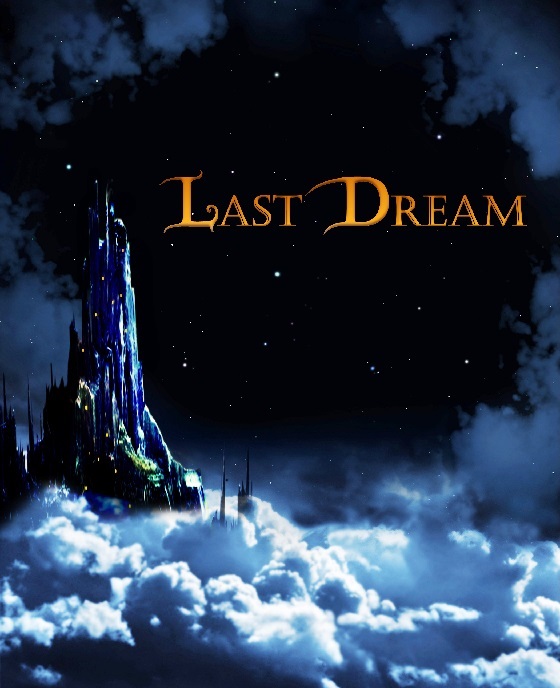
            Not everything has to be original, but don't be afraid to have something compared to your game and don't belittle others who might be compared to it.  Many people hated the calling of Terraria a "2-d Minecraft."  Sure, they are different, but that kind of comparison...is not bad.  Minecraft is a big hit and a game like it?  That's not saying a bad thing, you could be compared to worse.  And Terraria never set off to compete with Minecraft, they didn't claim they were better.  They were just different.  They didn't speak ill of them.  This is good.  I remember playing The Last Dream for Steam and didn't much care for it because it took too much of the original Final Fantasy and not enough of the sequels, with a bland class based system and not enough interesting story or music.  However, think about that sentence I just said.  Took too much from the original Final Fantasy.  Final Fantasy purists, who enjoyed the original NES games will eat a game like that up.  Don't fear comparison.  It's just someone else's way of pitching your game to a friend in a nutshell.  Don't belittle because whether or not someone who is making a game similar to yours is better, the fact that you treat them with the same respect you treat your customers, that is to say a lot, will earn you a fair bit of goodwill and possibly partners in the future.  Who knows?  They may want to work for the masters for their sequel.

Comparison isn't necessarily a bad thing.  Don't fear it, because it's just part of how people associate your game.
10) Don't nickel and dime your customers

            I see this happen a fair bit.  I'm not of the mind that all micro transactions are bad.  Some DLC definitely deserves the money, like Dark Souls 2's Sunken Crown DLC.  It clearly took extra time to make and was not part of the original product.  However, a game like Warlock 2, which looks like it should have been an expansion pack sold as a full retail release?  It makes customers raise an eyebrow and hurts your brand.  We don't like to feel like content is withheld from us.  Held hostage from us.  If you want to offer certain extras you can't get elsewhere, like behind the scenes footage or art books, maybe, but if you are withholding characters, music, whole levels even, BEFORE the game has even launched?  You are going to anger a lot of people.  Some DLC, we are okay with, but when it's been cut out of the finished product to make more money?  Many of us will skip the finished product entirely, since it's being sold to us piecemeal.
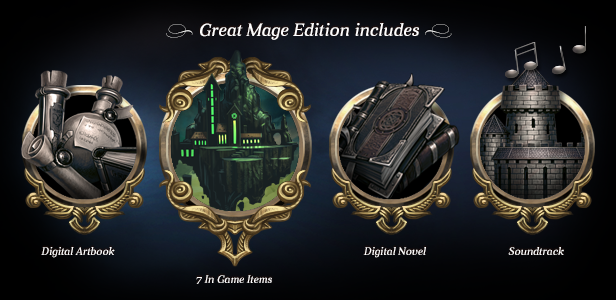
When your customers realize you hacked out in game items to sell a more expensive edition, they may just say to hell with your game.  It shows a lack of disrespect.

11) Spread the word, but don't bribe

            Disclosure has become a hot topic lately with youtubers.  It's the idea that a game developer is offering special goodies or money or deals to reviewers for a favorable look at their game.  This is a bad idea.  Why?  Because if you don't have enough faith in your game for it to stand on its own, you probably shouldn't be selling it.  Don't bribe reviewers, don't even try to sweeten a deal.  Just advertise that you have something cool to show people.  Spread the word through the medias and the fans, but don't try and buy publicity.  Market, but don't try and get "special attention."

Full disclosure, not non disclosure.  Don't bribe, don't lie, don't keep things from your customers.
12) Don't panic

            Even good games can receive bad reviews.  Why?  Because the game wasn't what that particular player wanted to experience, even if the videos and screenshots seemed like it might be.  And that's okay.  Sometimes, wires cross.  But if you are proud enough of your game that you would play and enjoy it, then others will too.  Don't panic if you get a bad review or if something happens to derail spreading the word or getting it to your customers.  In the end, most players will remember how you act and resolve issues as well as how they like the game.  I may not like FTL, but I give mad props to the developers for improving it and offering the updates for free.  I might buy another game from them, if it were released.  Whatever happens, just go with the flow and do your best to deliver your product to your customer.  If they like it, they like it, if they don't, they don't, but someone will like it.  Have faith in that.
This isn't my kind of game, but it is for someone.  Just cause I don't like it doesn't mean others won't.  Don't panic.  Keep calm and carry on.
            It's a little sad that the indie scene has been sullied by some developers who try and lie or abuse the system to their own benefit, but for every Guise of the Wolf or Garry's Incident, we get a dozen Shovel Knights, Valdis Story, Sang-Froid, Tiny Barbarian DX, etc.  It's easy to misstep as an indie developer, sure, but from a gamer's standpoint, these points above are what matter to us of the developers we trust.  Something to keep in mind for the aspiring game developers.  And something for games to keep in mind when picking a title on name value alone.

In the end, being a good developer and being a decent human being aren't mutually exclusive.  That is the best bit of advice I can offer.

Saturday, February 15, 2014

Creator Spotlight: Amon26


            Okay...so, in an attempt to provide more content in less time, as well as a chance to branch out and try to discuss things not as terribly depressing as the state of the games industry, I want to talk about creators.  Game developers, composers, programmers, what have you, who I think need more exposure.  I don't know who reads my blog or who even cares, but...this is me paying my respects.

            I had originally planned to start with a fantastic composer, one of the only ones to ever make me cry, but instead I want to talk about horror.  Delicious, fun, soul chilling horror.  Believe me, this is going to be good.  This is Amon26.

Pretty amazing developer overall.  I have no idea why more people don't know him.
            I can tell you that I've never met Amon26 or even had contact with him, yet his work has been one of the most brilliant I've ever seen in the medium of Flash.  Amon26 typically works in flash games, but they...they have more polish, beauty, and mad genius than many AAA titles.

            For those who only play console games or only play games on Steam, there is a world of free games on Newgrounds, Kongregate, or any other number of flash game websites.  People create and share, for no other reason than to get experience, get their name out there, or to make others happy.  This is how Amon26 introduced himself to the gaming world at large.  He may have begun tinkering in game design around 2009, but Amon26 got his first major hit, and well deserved recognition, with Gyossait on Newgrounds in 2011.

Prepare for a beautiful nightmare.
            Gyossait is a game that is...difficult to describe at the best of times.  It has very little exposition and while Amon26 did give a cheat sheet on the story after many requests, it's best played first without it, then with it...because the experience is different each time.  Basically, the player appears, bled out of the skull of a fallen god, and begins a journey.  However something or someone is haunting him.  Trees full of blades, with flowers of blood are your waypoints and as you die, you are rebirthed to suffer, again and again until you persevere.  This is not mercy.  This is torture.  The one hounding you wishes to peel of your skin and wear it as a mantle to keep them warm at night.  All this, in the first minute or two of the game, told through only a few lines of text and the games visuals and playstyle.

Are you afraid yet?  ...you should be.
            This is why I wanted to spotlight Amon26.  His games are a perfect marriage of aesthetics and gameplay to create organic storytelling.  True, there are cryptic snippets of text that appear on the screen, but they do not exposit.  They are more like conversations half finished...things that you need to know, but you have no context for.  The true story is told through the world and how you interact with it.  At the start, you cannot kill.  You only have a shield and your wits to overcome enemies and puzzles.  However, one puzzle inadvertently kills someone...and from then on, you are allowed to kill.  You are given a gun, but never told to use it.  You can, at points, return to only your shield.  How you play with this affects both the ending and your experience.  Are you a destroyer, who will take the easy way out, or have you learned the value of life through your mistake?  These deep ideas are what a little organic storytelling can create.

This is about all the exposition you're gonna get before Gyossait starts.
This is about all the exposition you'll get in game.  Tell me that's not unsettling.  I dare you.
            However, let's talk about the visuals for a second.  Amon26, in an interview with Indiegamemag.com, spoke of how he had nightmares, vivid dreams of creatures half formed, believing themselves to be human, or perhaps jealous of our own humanity, and wishing to take it by force.  Monsters birthed not from some unspeakable Lovecraftian pit, but from the human mind...and these nightmares are the source for much of Amon26's visuals.  Gyossait is a ruined world, on the verge of collapse.  Monsters roam the streets, the bleakness is like a nightmare made manifest, and the first time you meet your "host," after she kills you only to taunt you and revive you for more suffering, you will understand horror.  It is not an adrenaline rush from a quick jump scare.  It is the knowledge that your life is in another's hands...they hate you...but they don't want you to die...they want you to suffer.  The world hates you and this hate is heaped upon you like a leaden net to weigh you down.  It is this atmosphere that makes playing Gyossait distinctly uncomfortable, but also engrossing.  Because you're not alone and being hunted.  You are in a living, breathing world that is apathetic at best and at its worst, cruel to a fault.

Nightmare fuel.  Delicious, beautiful nightmare fuel.
            I don't intend to spoil Gyossait's plot or endings, but this game is how I was introduced to Amon26.  His previous titles, All of Our Friends are Dead, a shooting game that had no story, but piled on the unsettling atmosphere in such a way that it felt like a nightmarish fever dream, and Au Sable, following a girl in a red hood, journeying into a deep dark forest, in search of her sister and finding the remnants of what once was human hunting, taunting, and crying, are equally unsettling.  Amon26 has a talent for creating stories that only need a little exposition before allowing the game design and visuals to take you on a journey.  I'd even go so far as to call him video gaming's Edgar Allen Poe.  Not widely appreciated in his time, but amazing in what he has done with so little.

All of Our Friends Are Dead.  True terror lies not in graphics, gore, or music, but in the unsettling nightmares we make for ourselves.  If a developer gives you the pen, you know you've got good horror.
          Ironically, Amon26's games aren't all grim or bleak.  His current project, Shomia Teaf, focuses on a fairy in a colorful world and seems far more lighthearted...however, there is an undertone of something being very wrong, as the violence in the game suggests.  Let's Win Forever is another game that is bright and colorful, but...feels distinctly off.  I can't even describe this thing.

Let's Win Forever.  I don't even know, but something seems...off.
            Amon26 is a one man development group and despite numerous setbacks, continues working towards not wealth, but some semblance of happiness.  He enjoys what he does and believes in himself, but...for all that I've sold him as some dark, brooding, angsty, tosser, he's actually much more like Justin Carmical than you'd think.  Amon26 does suffer from some personal demons.  Don't we all.  However, despite that, he tends to focus on the positive.  In his interviews, he always encourages people to follow their own path.  If they don't know what they want to do, strike out and do anything.  Don't let others dictate who or what you should be and don't ever think you're not worth something.  Amon26 is an odd character whom I've never met, but would someday like to.  His games show more intelligent design than dozens of AAA titles I've ever played with their sole issue being their brevity.  Gyossait and Au Sable each are likely beatable in under an hour.  However, I don't want that to discourage people.  They are games I feel everyone should experience, both for their own nightmare fuel, but also because they really are fascinating looks at how a story is formed not necessarily by exposition, but by the actions of the player in an unusual situation.

Au Sable.  You go into the woods looking for Harmonia and find something inhuman...or perhaps too human.
            Here's where things get a little odd, though.  Yes, just here.  Shut up.  Amon26 is what many on the internet might call, a digital wayfarer or vagrant.  His only wiki is on the independent games wiki, which does not have links for many of his games and even though it gives links to websites or what have you, most are abandoned or reverted to their regular domain name owners.  The man is hard to pin down.  The best way to look into him, however, is probably through his twitter and his tumblr, both becoming outlets for personal discussion on his journey through life and on his games.  Amon26, though still a relative unknown in the game development community, is a person worth watching.  He hasn't published games to any widely known platforms however he continues to develop because it is what he loves.

            I would encourage everyone to at least give Amon26 and his games, particularly Gyossait, a look.  Support him if you can.  Spread word of his games.  Follow him on twitter or tumblr.  Look into his youtube account.  Check out his music on bandcamp.  If you wish to donate, he's given instructions here.  More than anything though, try his games, many of which even I haven't tried...yet...anyway, they all have his signature style.  So give them a look.  And, while still free on Newgrounds, Amon26 has assembled a deluxe edition of Gyossait for sale, including bonus content in the form of mp3s, Au Sable, All of Our Friends Are Dead, and a prequel to Au Sable, The Hunt, where you take on his imagined horrors in a first person, Doom-style, shooter.  You can purchase that here.

The Gyossait Deluxe Pack has tons of extra...the Hunt is a prequel to Au Sable and it's just as terrifying.
            In spite of my plugging, this is meant not as a publicity tool, but a sign of heartfelt respect for Amon26, as someone who likes a certain brand of horror...his brand.  The kind that doesn't beat you over the head with musical stings or overwrought exposition, but which is quiet, cerebral, tense, and unsettling.

            Wherever you are, Amon26, you've got at least one fan here.

Thursday, June 20, 2013

Video Game Piracy: A Victimless Crime?


So...piracy.  The games industry loves to blame all their problems on piracy and used video games.  But...is it really as big a deal as they say?  Is piracy the crippling blow to the industry that publishers decry it as or is it, as many pirates claim, a victimless crime?  Taking money from the already bloated, over stuffed, often dishonest publishers for products that are not worth said money to begin with.  I'm not, nor will I ever be, a pirate.  I disagree with it on a moralistic level.  However I do understand the ideas behind piracy in the modern age.  So...I'd like to discuss for a bit about piracy in the video games industry and how it both hurts, and is actually beneficial, to said industry, despite claims to the contrary.

Everyone loves pirates, right?  Err...right?
            First, let's look at the definition of piracy.  Before copyright came to be, it was robbery or illegal violence at sea.  Robbery seems to be what stuck with people, as these days piracy has been morphed into a catchall term for unauthorized reproduction or use of a copyrighted material in its original form, I.E. copyright theft.  These restrictions have been relaxed in recent years to allow these materials to be used so long as they are altered, such as with commentary from a let's play, or through a review.  However, the idea that piracy equates robbery has always stuck with any industry that thrives off copyrighted material.  And to some extent, I sympathize.  Artists need to make money in order to keep producing art.  Even if they love it, if they can't afford to eat off their art, they probably won't have time to make it because they'll be too busy doing something that puts food on the table.  However, with the rise of corporations who use and abuse the artists for their personal profit and the advent of independent releases on the internet as opposed to something that HAD to have a publisher to ever see the light of day, I think that piracy has become sort of a buzzword that many people use to frighten others and imply that they are a victim.
In this day and age, piracy has become like the word communist or socialist.  It's just a buzzword to scare people and justify things that should not be justified.
             First, let me say this.  Piracy should only be used as a term if a product is on the market, being sold for profit, by either the original creator or a duly appointed seller, I.E. a publisher, and if this said product is being taken and either being used or redistributed without providing proper remuneration for those who created it.  What does this mean?  Well, essentially, this is my way of saying I do not believe that video game emulation should be considered piracy.  For the most part, at least.  When emulation was first on the rise, many video game companies feared they would be out millions as people could simply download the game code on the internet for free and use their computers to mimic console hardware so they could essentially play any console video game they wanted for free.  At the time of emulation's creation, I could understand these concerns.  However, they have gotten far stupider as time has gone on.  Emulation, for those not in the know, is where a video games code is downloaded from the internet in the form of a ROM, then a player, which emulates a video game console such as the SNES or the Sega Genesis, reads these ROMs and plays them as if they were the actual game.  Largely, it is excused if you delete the ROMs in a 24 hour period, as a trial run, or if you already own a physical copy of the game.

Emulation of current games shouldn't be allowed, but emulation in and of itself?  Not really piracy.  It's people getting a chance to enjoy games that are no longer for sale, and thus do not hurt the developer in the least.  Unless they've re-released it, of course.
            I want to ask people to take a moment and think about emulation and its potential to hurt and its potential to preserve.  It has been seen as a tool for piracy by many, but is it really?  Well, in some cases, yes.  If an emulator for a modern console, like an Xbox 360 or a Playstation 3 were released along with ROMs for games that you could still buy in stores it would be piracy without a doubt.  The developers and publishers are still making sales off these products and they are still in production, so there are costs to consider.  However, what so many people overlook is that emulators are almost ubiquitously used to play older games on the Atari 2600, the NES, the SNES, the Genesis, etc.  These games are no longer sold in most stores and even if they are, their sale does not profit the publishers or the developers any longer.  Many publishers or developers of older games have ceased to be, actually, so sales of these games are strictly between private owners, not a retail outlet which pays for the games to be stocked.  In this case, emulators are not really a form of piracy.  They do not steal money from a publisher or developer, as the product is no longer in use.  In many ways, it is like the copyright has become invalid as soon as production and sales of these games have ceased, making them seem like fair use products.  They are not, I assure you, but...I do not see the harm, either.  Emulation has the potential to hurt consoles currently still on the market, however, it is also a tool for preserving and re-experiencing video games from a bygone era that you may not have had a chance to play or buy during your youth.  Emulation under these circumstances should not, I believe, constitute piracy.  However, if these games are ever re-released, I believe that playing them on an emulator, even if their ROM is from a cartridge no longer being sold, then it WOULD constitute piracy.  The Wii and Wii U, for example, frequently re-release older games that they have the rights to.  In this case, downloading Super Metroid for free, online, to play on an emulator, when a legitimate copy is being sold, for very little might I add, is piracy.  Simple as that.  Emulation is used by many as a way of expressing love for video games and as such, I believe that a bit of good faith is in order.  If the games you love are available in such a way that benefits their creators then buy them.  Support the creators.  However, if games are not for sale, then feel free to emulate them.  You may even stir interest for sequels or re-releases by keeping their memories alive.
Guys, I defend emulation for how it preserves bygone games, but if those bygone games can be bought legitimately...just do it.  If we do, we support good developers and show interest, which may lead to sequels or improvement.s
            Now for the prickly subject that no one wants to talk about.  Emulation is widely regarded as okay, by gamers and even by some publishers when it meets the circumstances I outlined above.  However, there are some forms of piracy that many try to legitimize, which have no bearing in reality.  Yes, if the game is no longer being made for profit and the sales are no longer going to the creator, there should not be a concern as to who plays it for free.  Many gamers, however, feel justified in piracy just because they cannot pay for games.  I understand this dilemma.  Games are growing more and more expensive to buy and with the economy in its present state there is less and less money to go around.  So, you feel justified in pirating a game since all your money is going to supporting yourself.  I get it.  But if you ever want the industry and the world at large to actually accept this as kosher, then you need to act in good faith.  What does that mean?  Well, essentially it means supporting the games even if you do commit acts of piracy.  The host of a radio show I listen to, for example, once openly admitted to buying a copy of Skyrim on Steam, then getting a cracked copy for free online.  Why?  Because he does not like how Steam interferes with his experience, through its pop in menus and glitches.  However, he already paid for his game, so the developers have already profited.  This is what one might consider an act of good faith.  Pirates who buy the game, disagree with some of its design choices, like the recent always online DRM of Sim City, and decide to get a pirated version regardless.  This is not a problem, provided you DO act in good faith. 

If piracy is to be allowed/overlooked, it needs to be done in good faith.  So you bought SimCity and it's servers are so broken you can't play it?  Feel free to get a cracked or pirated version.  You already bought a legitimate version, so the developers already have your money...now that you've done the right thing as a person, do what's fun for you.
            Pirates who try a game and play it all the way through, then buy it to support the developers show good faith.  I would even argue that pirates who try a game for a little bit, dislike it, stop playing it, and don't pay for it act in good faith, as this is akin to buying a game, trying it, disliking it, then taking it back to the store for a full refund.  However, I have to call out the pirates who do not act in good faith.  Pirating a game that is available for retail, playing it all the way through, keeping the pirated copy on your computer, and then never paying for a retail copy is stealing.  This may sound accusatory, but it is.  And I know that in this day and age publishers are over bloated, toxic to their own customers, far too controlling, and often downright dishonest with us.  I know this.  But you cannot simply pick who to like in the games industry when it comes to piracy.  What do I mean by that?  Well, what I mean is if I said to hell with the publishers I hate, I would also have to accept that indie developers bending over backwards to make their games easy to play, download, pay for, and DRM free shouldn't get any consideration either.  Or that people giving away games in bundles like on Steam or the Humble Bundle also are beneath consideration.  If you were to pick and choose like that, it would be akin to a police officer having the option to pick and choose who to arrest.  Or a bank picking and choosing who to foreclose on, leaving their favored customers alone while bullying new customers.  These acts are dishonest and they spit in the face of the idea that we are all equal under the law.  The same principle applies with game piracy.  You can hate a company and its games and not buy them, that's fine, that's capitalism.  However, you cannot pirate the games of one company you don't like, then turn around and say people should buy games from another studio.  That's simply dishonest and hypocritical.

Piracy in good faith.  Either you support the developers for work you've enjoyed or you have stolen from them.  No one should begrudge you a free look or playthrough, but if you take it without paying for it, that is a crime.
            In a subject like this, if you won't act in good faith, then you are not allowed to pick and choose who you decide to screw over.  If you don't buy a game because you don't like it, fine, you've chosen with your wallet.  If you pirate a game, like it, but never pay for it...you are stealing.  You cannot argue otherwise.  I sympathize with not having money to pay for a game at this moment, but that is why good faith is in order.  If you pay for it down the line...great.  If not...thief.  Remember, this is only games being sold for profit, so emulators or gamers who want to pirate games that are no longer sold but which are still not freeware?  I have no issue with you and neither should the game industry.  But I do have issue with the people who hurt developers who genuinely need support.

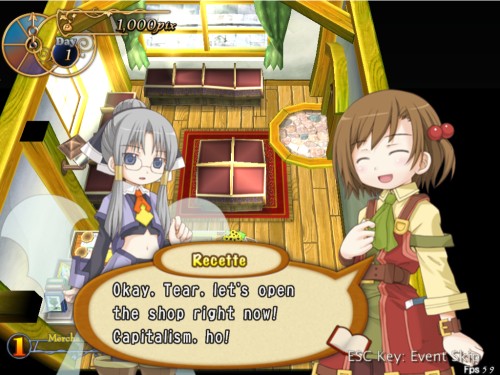
            Like all things, the video games industry is a business.  Not everyone, however, plays by the rules of the over bloated AAA industry and smaller indie developers put their heart, souls, savings, and life into making great games that they enjoy and want to share.  I think it's fair that these people get remuneration for their efforts.  When Derek Yu and Alec Holowka made Aquaria, it was a labor of love by two talented game designers and for their efforts, their game enchanted tens of thousands.  But how many sales were lost due to piracy?  How many people profess love for a game, then offer the creators nothing for their efforts?  This is not acceptable.  In fact, sometimes, it is heartbreaking.  Recettear is an indie game about a girl running an item shop and in the demo, it talks about why she runs it.  She's in debt.  And the developers threw in a tiny gag at the end of the demo, where the girl pleads with the audience to not pirate the game, otherwise she will never get out of debt.  And this isn't just meant as humor.  Indie developers can live or die off a few thousand sales, since they have very little overhead and sometimes don't have to give publishers a cut.  The fact that this game, which does everything it can to be as open and available as possible, has to plead with its audience to not steal it is heartbreaking.  You might ask, "What's the worst that could happen?"  Well...how about no more games from indie developers.  No more Fez.  No more Aquaria.  No more Dust.  No more Minecraft.  If everyone pirated these games, the developers would die.  There would be little to no point in making the games.  No sequels would be made.  No new projects.  It would end them.  The pirates I take the most issue with are those that do not act in good faith and willfully steal from these developers who need all the help they can get.  But, as Jim Sterling pointed out, there is one breed of pirate who is the worst of all.

Like it or not, we live in a capitalist world.  If you're good at something, you should get paid for it.  And that goes for game developers too.  Piracy in bad faith is criminal because it takes money from people who've worked hard to create something beautiful and fun.
            Pirates who steal from charity.  My jaw literally dropped over a year ago when I saw Jim Sterling's article on just how many people had pirated the Humble Indie Bundle.  For those unaware, the Humble Indie Bundle is an organization that, with the creator's permission, periodically releases indie games at far below their normal price in a large bundle and gives a portion of their profit to the charity Child's Play.  You can pay a fair amount, like 10-15 dollars and get extra games or content.  Or you can pay a single penny and get the basic bundle.  A single penny for anywhere from 4-6 games.  And yet some people still felt that that was beneath them.  I understand piracy.  I understand wanting to try before you buy.  I understand wanting to recapture the past.  I understand not having money to pay for a game.  But this is willful, malicious greed and should never, ever be excused.  I will agree that game companies do treat their customers too harshly in the battle against pirates.  But those who not only act in bad faith but who will turn their nose up at honest, noble attempts to deliver great games at a low cost which benefits charity?  I have no pity for them.  In the least.

The Humble Bundle is an effort by game developers to give games out to the fans for very cheap and at the same time, support a worthwhile charity.  To pirate this is to be absolutely morally bankrupt.
            So, is piracy a victimless crime?  No.  No its not.  Not everything should be considered piracy, I admit.  Emulation can prove to be a great way for those who are broke to experience older games without hurting anyone by getting a chance to play games that are no longer sold for profit.  However, piracy on the whole does take away money from those who desperately need it.  Piracy in bad faith, that is.  I would actually argue that piracy in good faith does more for the industry than any amount of advertising could.  Piracy in good faith spreads the word about a game to people who may want to buy it, without acting as if they are justified in their theft, since the pirates also want to support the game and will eventually buy it.  This kind of press cannot be bought with any amount of money and will be beneficial to any game that was made with passion and not created as just another assembly line piece of shovelware.  Many indie developers have been gracious in the face of piracy because it does spark interest.  I say, good for you for being so gracious, but you still deserve to be paid.  Piracy is not a victimless crime.  But it does not always have to hurt people either.  I imagine in the olden days, pirates could not only steal gold and silver from ships, but also medicine for sick families who could not afford it.  Piracy is not evil in and of itself.  However, when performed in bad faith, it deserves no sympathy.

Piracy is freedom, to a degree.  It is the ability to choose whether to purchase a game blindly or try it out, then decide what to do.  Piracy is no more evil than freedom.  It is only evil if you choose to use it as such.
            I should end this discussion with that, however I just want to bring up something Daniel Floyd and James Portnow have said in the Extra Credits Series.  You want to stamp out piracy?  Then offer a better service.  This is simplicity itself.  Why do people pirate?  Because of DRM.  Because games are too expensive.  Because there are no other options.  Give them other options, and the pirates will beat a path to your door and fling their money at you whole heartedly.  Most of them will, at least.  There will always be those who think it beneath them to pay, who believe the internet and anonymity entitles them to do as they please...but for most pirates, offer them what they can only get through piracy, and then one up that offer, and you will win over hundreds of thousands if not millions of customers.  Steam uses DRM.  However it is not intrusive, games connect directly to the Steam forums and community through it for troubleshooting and support, it can be deactivated to play offline, and Steam offers trading and great sales to bring the cost of games down.  GOG does one better, allowing players to, after paying for them once, re-download their games as much as possible, potentially allowing limitless sharing.  The games themselves are also completely DRM free with sales that happen just as frequently as Steam sales.  These are things that piracy cannot always do.  If a torrent disappears, your source to a game is gone.  But so long as you have a GOG account, it will always be there for you to re-download.  So, how do you stop piracy?  Make it seem like more of a hassle than buying the games legitimately.

Want to stamp out piracy?  Offer a better service.
            Just in case anyone is wondering, yes, I saw E3, I know about the PS4, the Xbone, and the Wii U.  No, I'm not going to discuss them.  While I do believe the issues of ownership that the Xbone and some other companies have been screwing around with are important, and a core reason as to why people pirate, they have already been thoroughly explained by people more entertaining than me.  If you want to see why they are going to cause an issue, check out Angry Joe's rant on the Xbone or Video Games Awesome's coverage of E3.
Sorry, I couldn't resist.  I know Microsoft flip flopped on their DRM policy recently, but it's sad that the Xbone ever got this far without someone raising a hand and going "Ummm...are we sure this is a good idea?"  This is the kind of attitude that breeds piracy.  Restriction.

Saturday, March 16, 2013

Ouya, Oh Yeah, Oh No!


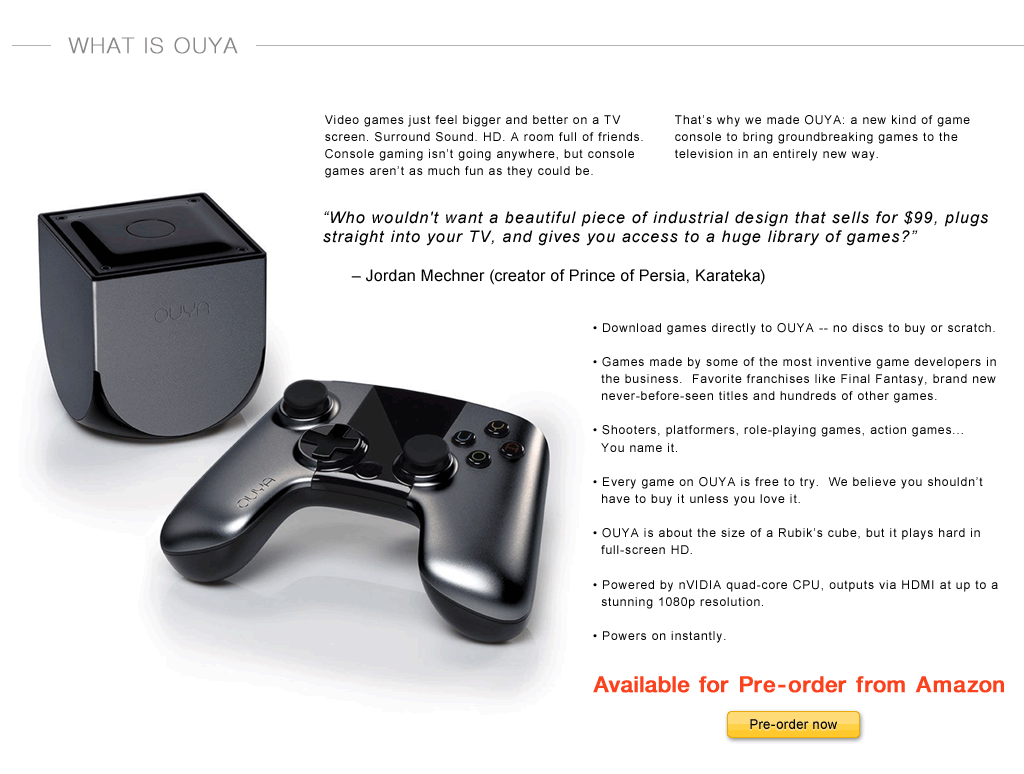
            The Ouya.  I know that a lot of people have talked and speculated about the Ouya and joining a bandwagon isn't exactly my style.  But if the Ouya succeeds, it will have repercussions that many may not realize.  You see, provided the Ouya works, I think that it could well be the future of video gaming.  A middle finger to the bloated, expensive, frankly deplorable AAA video game market and just the shake up console gaming needs.  So, for the sake of the indie market and for how this new console could affect the video game industry, I've decided to take a moment to explore what the Ouya promises to be and what that means for the industry and gamers, good or bad.
Behold the Ouya.  The next big wild card in the console wars.
            Hardware.  The Ouya is an interesting machine, hardware wise.  It has an NVIDIA quad core processor, for moderate graphical prowess, certainly no match for a PS3, but at least as strong as most android or Iphones, possibly stronger depending on how it is used.  1GB of ram provides speed comparable with decent laptops for streaming or gaming.  8GB of flash memory allows for storage of games, which, while comparable to the PS3 and Wii U at launch, is still a rather small amount.  It can be expanded via USB storage.  It has full wifi, ethernet, and bluetooth capabilities, allowing internet connections of all varieties and wireless connectivity.  It has USB ports for porting programs from other systems and a relatively unique controller.  The Ouya controller resembles a Playstation Dual shock controller, with the face buttons changed to spell out O-U-Y-A.  There is also a touch screen included which can be used as a touch screen or to mimic a mouse, allowing for internet surfing and exploring the Ouya's stores or software.
If that controller's touch screen works out, this might be the make or break feature of the Ouya.
            What does all this mean?  Well, the Ouya is basically an iphone made into a console, though I think that's a gross oversimplification.  It shows the basic features of a video game console without any unnecessary extras crammed in.  No backwards compatibility with other systems, no DVD or blue-ray playback, no slots for CDS, etc.  It is a console that aims at digital distribution, streaming audio and video, and with the basic capabilities of a phone or medium range computer in terms of gaming.  The graphics of the Ouya will not be top of the line, however they will match and probably exceed those of top of the line Iphones, since they will not need a number of extra components which other consoles or phones would need for them to function properly.  The controller in particular seems steps above what the Xbox720 and PS4 are offering, by providing something sleek, which still has touch screen capabilities, making it even more attractive to some than a Wii U controller.  Thanks to it's supposed ability to mimic mouse movement, the controller has great potential for bringing PC games and console games closer together.

            Based on what can be gleaned from these specs, the Ouya seems to be aiming at gamers less interested in graphical fidelity and more invested in fun gameplay experiences, with the ability for it to be expanded into a digital multimedia system down the line.

            Price.  The Ouya aims to do what many console gamers have been dreaming of for decades.  Make a console that will not destroy their credit rating.  The Ouya aims to debut for only $100 at launch and one can assume that used versions could be sold for cheaper.  This proposition is a bit eyebrow raising.  True, many computer components are much cheaper if bought wholesale or if the company using them is in a contract with the manufacturer, but the price seems too good to be true.  Something that, as the software previews have shown, is at least as powerful as a low end PC with the capability to stream video from Onlive or Twitch TV that even a minor could afford simply by saving his allowance for a few months seems like a fantasy.  So, many are skeptical of the Ouya's ability to deliver on its low price promise considering the promised hardware and software involved.  I can only say this.  Is it possible?  Certainly.  It is possible to build a working console for that little, provided you have the capital to develop the necessary OS, get the manufacturing process hammered out, and to maintain manufacturing for an indefinite period of time.  And with the Ouya's pre-orders, successful kickstarter campaign, and any personal investment those behind it have made, I'd say it is possible to get the process rolling and make the Ouya with only a small loss for each machine sold.
The Ouya's managed to ship out its developer consoles already.  Will the commercial ones be as easy?
             However, price doesn't only figure into the hardware.  The Ouya's manufacturers have outlined that any software sold on their system will be split 70% to 30%, with the 30% going to the manufacturers, allowing them to feasibly continue producing Ouya consoles indefinitely, provided there is a strong software base.  More surprisingly, however, is that the Ouya requires at least one aspect of every piece of software on it to be completely free.  This has been dubbed, free-to-try.  This system can include whole games, demos, level packs, etc. but it ensures that any person who buys an Ouya will always have something to fiddle with even if they don't pay a penny over the $100 price tag.  I am not certain is this particular aspect of the Ouya is sustainable, however if the programs use in-game advertisements or other means, this business model could prove successful.
Seems too good to be true, doesn't it?  Still, cut out all the fat and just maybe the price can work...
            On the whole, the price point for the Ouya seems too good to be true.  Cheap, with free content being released constantly from both professional and independent developers.  What can this mean?  Well, it could mean one of two things.  It could mean that there will be much price gouging.  That free to play games with 90% of the content as purchasable DLC could become the norm.  This is a depressing thought, however if the market stays competitive on the Ouya, this may not be an issue, as price gouging games that are free could be beaten out by reasonably priced games that are complete, offering a free demo.  Conversely, it could mean that the Ouya is trying for an entirely different market than the bloated AAA console gaming crowd and will be aiming to make its money back through smaller products, but greater sales numbers, not unlike Steam.  Offering both a service and a price that makes gamers feel as if they are being respected, I can only hope that this is the case since it shows intelligent design with the marketing of both the console and the software.

            Approachability.  The price point already makes the Ouya approachable from almost any developer or gamer, however it seems to have far more than price going for it.  In their FAQs, the Ouya's manufacturers claim that a store similar to an app store will be set up to sell the software.  This can mean that anyone who develops a game for Ouya can sell it without the need of a publisher, beyond the Ouya's manufacturers, of course, without licensing fees, and without need for excessive testing from either the Ouya's manufacturers or the development team.  This could mean that the Ouya will have more experimental games, that it might be an open door to fledgling designers, or that it could be a playground for scammers.  The marketplace seems to be aiming at as low a barrier of entry as possible.  This could be solved with refunds provided for broken products, self regulating product reviews that shut down scams like those that appear on other app stores, or by regulation from the Ouya manufacturer, such as people releasing a scam being permanently banned from releasing on the console again.  Approachability is a double edged sword.
This is a mock up of what the Ouya app store could look like.
            This approachability seems to go beyond just a business model, however, with the Ouya being easily moddable without punishment from the manufacturers and with all the tools necessary to develop games for the Ouya included with the console.  It has been years since anything beyond the PC has allowed for such approachability and flexibility.  The Commodore 64 springs to mind with homebrew games being capable of being ported to a floppy disc and sold commercially.  What does this mean for the Ouya?  Well, let us do a little math.  Let's assume that 100,000 people buy an Ouya in the first year.  And of those 100,000, let's speculate that at least 1,000 develop a game to completion where it can be released on the Ouya's marketplace.  Now, assume one last time that of those 1,000 games, 100 are successful financially.  If we follow this model, then the Ouya could release at least 100 quality home brew games yearly.  This means that the Ouya could be a self sustaining gaming platform, without the need for support from large publishers or developers.
This is the Ouya taken apart.  Four screws.  That's all it takes to mod this baby.
            The Ouya seems to be a very approachable console, but it may end up being too approachable.  Releasing a scam game on an Iphone doesn't require as much effort as one might think and the same could be said of the Ouya.  Games with so many bugs or glitches that they are unplayable could also become a problem.  However, if the app store is properly regulated and decent games are released, both from professional designers and from regular people making homebrew games, it could become a timeless machine, where one does not need a $10,000,000 budget to make a game.  They just need the time and the will.

            Focus.  This category seems a bit odd, but just stick with me.  You see, the Ouya appears to be focusing, at the moment, on gamers.  Not simply hardcore or casual gamers, but gamers in general.  Developers like Mojang and Square-Enix have made promises of having Minecraft and Final Fantasy ready for the console, while any number of android apps which captured the imagination of casual gamers also seem to be lining up to be ported.  The promise of Onlive streaming services for games as well as Twitch TV, which showcases competitive video gaming, seems to further demonstrate the Ouya's focus of being a cheap, accessible console that all gamers can enjoy.
What does it take to make competitive video gaming relevant again?  Get it to the people!  The Ouya can do this.
             The Ouya also seems to embrace its limitations, with its conservative design and ambitions.  This means that the focus will be on smaller game development from teams of tens or even only a few people, without the bloated design groups of a AAA title like Dead Space 3 of Final Fantasy 13.  I have already explained how both illusion in gaming and how limitations can enhance a product, so hopefully recognizing this will allow it to avoid the excessive costs of the AAA console market while still delivering a solid product.

How gamer focused is the Ouya?  Someone has already developed and SNES emulator for it.  Nuff said.
            The Ouya's marketing also seems to rely heavily on indie game designers embracing them as a more cost effective way of getting their games out there and making money for their teams.  A more indie focused console could create a niche for itself that will either supplant mainstream console gaming or live alongside it as a niche.  Either way, the Ouya seems to win.  I believe that its focus, at least in this department, is admirable, as it does not aim to compete with the unique features of the Wii U or the graphically superior Xbox360/720 or PS3/4.  Instead, it aims to create a place for itself.

            Game Development.  Honestly, the Ouya's impact on game development is what has me the most excited.  They aim to streamline the development and release system while creating a more symbiotic relationship with developer and publisher.  Ouya games can be created on the Ouya or created separately and made to work on the Ouya, then submitted to the Ouya store and published with none of the hassle.  While I have said that this could lead to shoddy or buggy games, it also allows genuinely good game designers to release their titles without jumping through hoops for larger publishers, allowing them to remain small and independent, making a career out of their game design rather than being tied to a publisher for their paycheck.
Cryamore is PC Kickstarter JRPG.  That has promised Ouya support.  THIS is what you might expect from indie game designers for the Ouya.
            The Ouya seems to be aiming to put the power back into the hands of the developers rather than in a shareholder meeting asking the question "Is it guaranteed to sell?"  I am excited for the prospect because the Ouya could work alongside crowd sourcing websites like Kickstarter or Indiego to allow gamers to choose what gets made rather than a group of businessmen.  With any luck, this will also have a sort of self regulating effect.  Under this kind of system, gamers vote for games, sequels, genres, etc. with their wallets, allowing them to regulate the market based on demand.  If there is a demand for a JRPG, then one can be put on the Ouya and it will be successful.  Complemented by the free-to-try model that the Ouya is adopting, it would seem that gamers will be allowed to have all the choice in a game.  If they like the first level, or the demo, or the free game, they can throw money at it and be rewarded with what they want.

Some big developers have promised Ouya support, but don't expect Final Fantasy 13 on the Ouya.
Final Fantasy 3, though?  Yeah, I can see this on the Ouya.
In terms of game development, the Ouya could revolutionize the industry.  With the over bloated, often disrespectful, price gouging methodology of the modern console gaming scene, a crash like the video game crash of 1983 seems all but inevitable.  The Ouya, however, favoring the indie scene, could survive that crash and become a beacon for gaming culture, much like the NES did.  However, that is only one possible scenario.

            Conclusion.  The Ouya still has a lot to prove, to be honest.  The price point needs to be proven, the software support needs to be proven, the ability for developers to quickly and easily release products for the system needs to be proven, and some form of quality control will need to be exercised.  There are a number of ways the Ouya can fail, from internal bugs in the OS, to support falling through from its partners.  However, this is true of any product.  I am cautiously optimistic about the Ouya, thanks to being an avid member of Kickstarter.  I did not support the Ouya during its time on Kickstarter, but I have supported a number of indie game designers who promise Ouya support and seem excited at the prospect of a home console tailored for them.
This is every gamers dream.  As Jordan Mechner put it, a game console that's $99, plugs straight into the TV and has a huge library of games ready to try out of the box for no cost?  Yes, please!
             The Ouya may not revolutionize the games industry as I have said it could in my more extreme predictions, but I believe that it will be, at the very least, a moderately successful console.  If it can maintain a low price, stay in touch with its fans and supporters, exercise quality control to cut back on any would be scams, and truly support those who use the console as a development tool, I believe that it will be able to breathe some new life into the games industry, bringing casual games to a wider audience than before and giving indie developers a place they can call home.  If the information that is available to the public about the Ouya is true, then I am 100% confident that it will at least achieve some level of success.  It could become a mega hit which every console gamer will buy as their second or even first console after their main one becomes out dated.

            So, will I be getting one?  I'll have to wait on the game library to become more concrete before I decide on that.  And for a bit more information on how certain things are handled.  Computer technology isn't black magic, it's science, and computers, even supposedly plug and play machines, are often finicky.  I may wait till the Ouya gets some of its bugs or details hammered out before I jump into the Ouya pool headfirst.  I can say this, though.  It's a damn sight more likely that I'll buy an Ouya than a PS4 or Wii U.

            More information about the Ouya can be found at it's website, here, and at its Kickstarter page, here.